What is Practice Drawing Exercises?
Drawing isn’t just about putting pen to paper; it’s about expressing ideas, capturing emotions, and conveying messages. For anyone interested in brand and logo design, practice drawing exercises are essential. They enhance technical skills, foster creativity, and build confidence, serving as the backbone for creating compelling designs. Whether you’re a seasoned designer or a beginner, these exercises can pave the path to mastering your craft.
Benefits of Practice Drawing Exercises
Enhancing Technical Skills
Imagine trying to run a marathon without any training. Drawing is similar; it’s a skill that requires regular practice to perfect. Practice drawing exercises help you refine your technical abilities. You’ll notice improvements in line quality, proportion, and perspective. Over time, your hand becomes steadier, your lines more intentional, and your drawings more precise. Drawing exercises for logo design emphasize these skills, which are crucial for effective brand representation.
Boosting Creativity
Creativity is the beating heart of design. Engaging in various drawing exercises stimulates creative thinking. It challenges you to see the world from different angles and inspires innovative ideas. Think of creativity as a muscle that strengthens with use. By experimenting with different styles and subjects, you open your mind to new possibilities, which is vital for creating unique logos.
Building Confidence
Confidence is key in design, just as it is in life. Regularly completing drawing exercises boosts your confidence, making you more comfortable with your abilities. As you see progress, the fear of the blank page diminishes. You begin to trust your instincts and embrace your style, which is crucial when designing logos that stand out in the market.
Types of Drawing Exercises
Gesture Drawing
Gesture drawing is all about capturing movement and form. It’s a quick sketching method that helps you understand the essence of a pose or action. These sketches are typically completed in a few seconds to a few minutes. This practice hones your ability to convey motion and energy, which can translate into dynamic logo designs.
Contour Drawing
Contour drawing is like tracing the outline of a subject without lifting the pencil from the paper. This exercise refines your observational skills and enhances your understanding of shapes. By focusing on the edges, you learn to capture the essence of your subject, a skill that is invaluable in logo creation.
Negative Space Drawing
Often overlooked, negative space is just as important as the subject itself. Negative space drawing involves focusing on the space around and between objects, rather than the objects themselves. This understanding improves composition and balance in your designs, making your logos more visually appealing.
Image Transfer Techniques
Image transfer techniques involve transferring images from one surface to another. This can include tracing, using carbon paper, or digital transfers. These techniques are particularly useful in logo design, allowing you to experiment with different versions and placements before settling on a final design.
Daily Drawing Prompts
Consistency is key to improvement. Daily drawing prompts provide a structured approach to maintaining regular practice. They spark creativity and ensure you dedicate time to honing your skills every day. Daily drawing challenges can keep your skills sharp and your ideas fresh.
Incorporating Practice into Your Routine
Setting Goals
Setting achievable goals can drive motivation and track progress. Start small, perhaps with a commitment to spend ten minutes a day on a specific exercise. Gradually increase the time and complexity. This structured approach ensures that you continuously improve without feeling overwhelmed.
Creating a Dedicated Space
Having a dedicated space for drawing can significantly impact your productivity. Choose a spot that inspires you, with good lighting and all your materials within reach. An inviting space encourages frequent practice and helps you focus on your craft.
Scheduling Time for Drawing
Time is precious, and scheduling it wisely makes a difference. Set aside specific times for drawing each day or week. Treat it as an appointment with yourself. This regular practice not only improves your skills but also embeds the habit into your daily routine, much like brushing your teeth.
Conclusion
Practice drawing exercises are the foundation of any successful brand and logo design endeavor. They enhance technical skills, fuel creativity, and build confidence. By integrating these practices into your routine, you arm yourself with the tools needed to create compelling and memorable designs. So grab your sketchpad, embrace the process, and watch your design skills flourish.
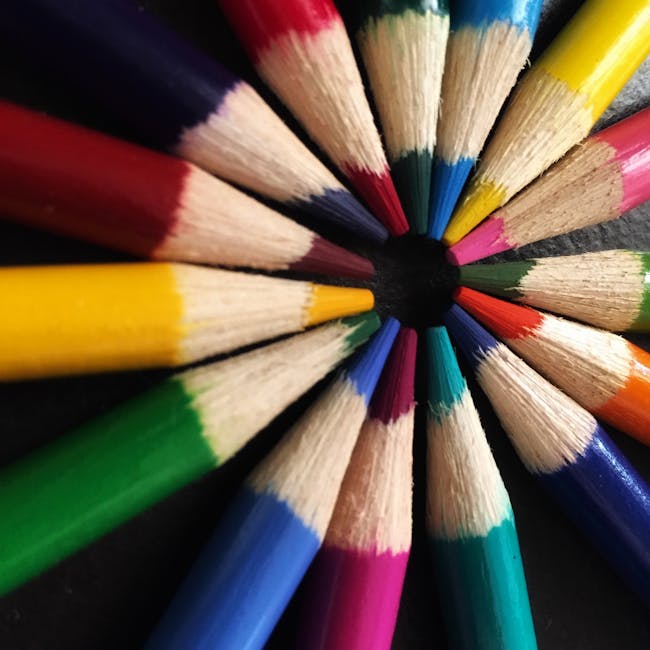
 Photo by Naomi Bokhout