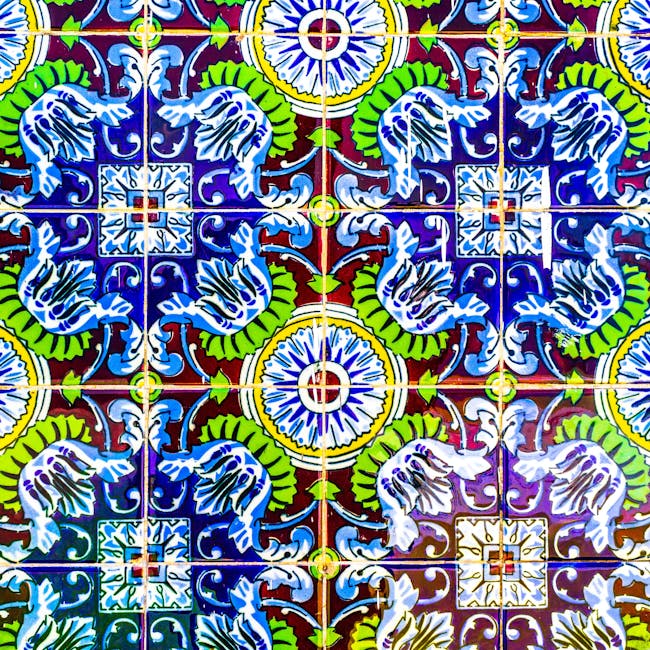
What is Logotype Design Inspiration?
In the bustling world of branding, a logo stands as the face of a company. It’s more than just a pretty picture; it’s the embodiment of a brand’s identity and values. Logotype design inspiration plays a crucial role in crafting these visual identities. Without inspiration, a designer is like a chef without ingredients. But where does this spark of creativity come from? Let’s explore.
Understanding Logotypes
Logotypes are the cornerstone of brand identity. They are not mere symbols; they’re meticulously crafted representations of a brand’s essence. When you see the golden arches, you think McDonald’s. That’s the power of a well-designed logotype.
Types of Logotypes
There are various types of logotypes, each serving different branding purposes:
-
Wordmarks: These are font-based logos that focus on the brand’s name alone, like Coca-Cola. They’re clean, direct, and memorable.
-
Lettermarks: These are typographic logos that use the initials of the brand. Think of IBM or CNN. They’re great for brands with lengthy names.
-
Emblem Logos: These logos encapsulate the brand name within a symbol or icon, such as Starbucks. They blend both visuals and text seamlessly.
For more insight into different logotypes, you might find this resource helpful.
Historical Context of Logotypes
Logotype design has evolved dramatically. From the intricate hand-drawn designs of the past to today’s sleek digital creations, logotypes reflect the changing tides of design trends and cultural influences. Early logotypes were often ornate, crafted with care to express the prestige of a brand. Today, minimalism reigns supreme, focusing on clarity and versatility.
Sources of Logotype Design Inspiration
As a designer, finding inspiration is akin to striking gold. But where does one search?
Nature and Environment
Nature is a timeless muse. The curves of a leaf or the symmetry of a snowflake can lead to innovative designs. The organic feel of natural elements can add a unique touch to a logotype, making it feel alive and relatable.
Art and Culture
Art movements such as Art Deco or Bauhaus have heavily influenced logotype design. Cultural symbols and motifs can also provide a rich pool of ideas. Tapping into these artistic and cultural reservoirs can yield designs that are not only visually appealing but also culturally resonant.
Typography and Color Theory
Typography is the voice of your logotype. Choosing the right font can set the tone—serious, playful, elegant. Pair this with a well-thought-out color palette, and you’ve got a harmonious design. Understanding color theory can enhance your design’s impact, influencing how the audience perceives the brand.
Case Studies in Logotype Design
Learning from successful examples can offer valuable insights into what makes a logotype work.
Iconic Logotype Examples
Consider the Nike swoosh—simple, dynamic, and instantly recognizable. Or the Apple logo, which has transformed from a complex illustration to a sleek icon. These logos have become cultural icons, representing innovation, quality, and style.
Lessons Learned from Logos
Successful logotypes often have common themes: simplicity, adaptability, and relevance. A good logotype is versatile enough to be used across various mediums without losing its essence. It should also connect with its target audience, reflecting the brand’s core values and mission.
Applying Logotype Design Inspiration
How can you harness inspiration in your design process?
Creating a Mood Board
A mood board is a visual tool to gather your ideas in one place. It’s like a collage of inspiration, where you can pin images, colors, and typographic styles. This helps in visualizing the direction of your logotype design.
Sketching and Prototyping
Before hitting the digital canvas, sketch your ideas. This is where creativity flows freely. Sketching allows you to explore different concepts quickly. Once you have a solid idea, move to prototyping, where you can refine and test your design.
Conclusion
Logotype design inspiration is the heartbeat of brand identity design. It requires a keen eye, an open mind, and a willingness to explore. By understanding the types of logotypes and drawing inspiration from nature, art, typography, and successful examples, you can create logos that truly resonate. So, dive into the world of logotype design and let your creativity soar.
 Photo by rotekirsche 20