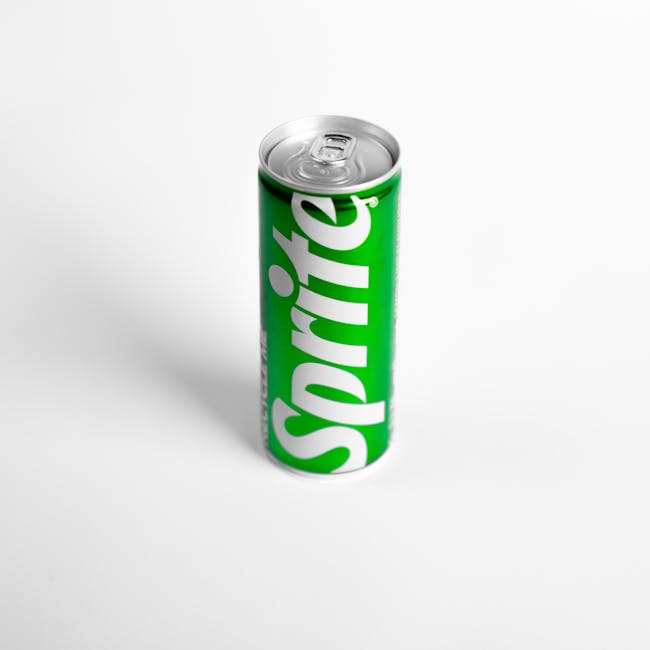
What is Logo Design Typography?
Typography in logo design is more than just picking a pretty font. It’s about crafting an identity, evoking emotion, and speaking directly to your audience without uttering a word. Whether you’re a designer or a business owner, understanding the role of typography can make or break the effectiveness of your logo and, by extension, your brand.
The Role of Typography in Logo Design
Typography is a visual voice. It influences how we perceive and recognize a brand. Think about how Coca-Cola or Nike‘s swoosh communicates without needing an explanation. Typography anchors these identities, making them memorable. It’s essential in creating a visual hierarchy, drawing attention to what matters most.
Creating Brand Identity Through Fonts
Fonts can evoke emotions and attributes that align with a brand’s identity. For instance, using a bold, strong typeface can communicate stability and strength, while a flowing script can convey elegance and sophistication. Fonts are like the clothes your brand wears; they tell a story about who you are. The right font choice can align perfectly with the brand’s values, giving it a distinct personality.
Legibility and Readability in Logo Design
The most beautifully designed logo is useless if people can’t read it. Legibility ensures that every letter is recognizable, while readability focuses on how easily these letters can be read together. Imagine a billboard with tiny, intricate fonts. Would it be effective? Probably not. Prioritize clarity, ensuring your message is seen and understood at a glance.
Types of Typography Used in Logos
Different typography styles can significantly impact a logo’s look and feel. Let’s explore some of the most common types used in logo design.
Serif vs. Sans Serif Fonts
Serif fonts, with their decorative “feet,” often convey a sense of tradition and trust. They’re like a grandfather’s advice – reliable and time-tested. On the other hand, sans serif fonts are sleek and modern, much like a minimalistic art piece. They’re approachable and clean, making them a popular choice for tech companies and startups. Choosing between them depends on the message you want your brand to convey.
Script and Handwritten Fonts
Script fonts add a personal touch, reminiscent of handwritten notes or calligraphy. They can be elegant and sophisticated, but they also carry the risk of being hard to read. It’s like using cursive in a text message – sometimes beautiful, but often impractical. When done right, script fonts can communicate creativity and luxury.
Display Fonts in Logo Design
Display fonts are bold and eye-catching, designed to stand out. They’re like wearing a statement piece of jewelry; they grab attention but can easily overshadow the rest of the outfit if not balanced correctly. While they make for a strong first impression, they should be used judiciously to avoid overshadowing the brand’s message.
Best Practices for Logo Typography
Creating a logo with effective typography involves more than just picking a nice-looking font. Here are some best practices to consider.
Keep It Simple and Timeless
Simplicity is key in logo design. Overly complex fonts can confuse and alienate potential customers. A timeless logo feels just as relevant today as it will in a decade. Think of it as investing in a classic black suit – always in style and appropriate for nearly any occasion.
Consider Your Audience
Your typography should resonate with your target audience. A youthful brand might opt for bold, playful fonts, while a law firm may choose something more traditional and authoritative. Understanding your audience’s preferences can guide your typography choices, ensuring that your logo speaks their language.
Consistency Across Branding
To maintain brand cohesion, the typography in your logo should be consistent with all other brand materials. It’s like having a uniform for your brand – it ensures that your message is clear and unified, whether on a website, business card, or billboard.
Case Studies: Successful Logo Typography
Examining successful and unsuccessful typography choices can provide valuable insights.
Analysis of Iconic Brand Logos
Brands like Apple and Google have logos that are instantly recognizable, partly due to their effective use of typography. Apple’s clean sans serif typeface communicates innovation and simplicity, while Google’s playful colors and font convey approachability and fun.
Lessons Learned from Typography Failures
Not all typography choices hit the mark. Some companies have faced backlash for logos that were hard to read or failed to communicate the brand’s message. Learning from these mistakes emphasizes the importance of thoughtful typography selection.
Conclusion: The Impact of Typography on Logo Design
Typography is a silent ambassador for your brand, speaking volumes through its design. It shapes perception, evokes emotion, and ensures your brand stands out in a crowded market. By understanding and implementing effective typography, you can create a logo that not only represents your brand but resonates with your audience, leaving a lasting impression.
 Photo by Ali Dashti