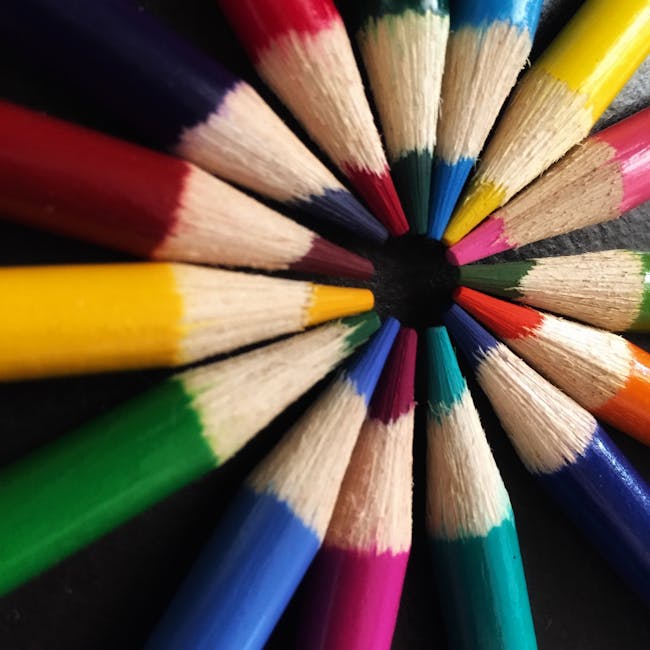
What is Logo Color Variations?
In the vibrant world of branding, logo color variations are often the unsung heroes. They quietly shape perceptions, influence decisions, and craft brand identities. Just like a chameleon adjusting its colors to blend into its surroundings, logos use color variations to connect with diverse audiences across multiple platforms. Imagine seeing a logo with colors that evoke warmth and trust, like Coca-Cola’s iconic red. That’s how powerful these variations can be.
Understanding Logo Color Theory
Delving into the essence of logo color theory is like exploring a painter’s palette. It’s all about choosing the right shades to convey your brand’s message effectively.
The Psychology of Color in Branding
Colors speak volumes without uttering a single word. Blue often signifies trust and dependability, which is why many financial brands, like PayPal, gravitate towards it. Red can evoke excitement and urgency, making it a favorite in the fast-food industry. Understanding this psychology of color helps brands to resonate deeply with their target audience.
Color Harmonies and Combinations
A perfect logo is much like a well-conducted orchestra, where each color plays its role harmoniously. Complementary colors, like yellow and purple, provide contrast and vibrance. Analogous colors, such as green, blue, and teal, create a soothing effect. Triadic schemes, like red, yellow, and blue, offer balance and a lively feel. Mastering these combinations can elevate a logo from bland to grand.
Types of Logo Color Variations
Logos can wear different color outfits, each serving a unique purpose and audience.
Single Color Logos
Think of Apple’s iconic black-and-white logo. Single color logos are timeless, versatile, and easy to reproduce across various mediums. They symbolize clarity and simplicity, cutting through the noise to deliver a strong brand statement.
Multi-Color Logos
Then there’s the vibrant spectrum of multi-color logos. These can convey diversity and creativity but might also pose challenges in maintaining consistency. The Google logo, with its multicolored letters, embodies a playful yet reliable image, perfectly illustrating the benefits of this approach.
Gradient Logos
Gradients introduce depth and modernity, making logos appear dynamic and eye-catching. Instagram’s gradient logo, shifting from purple to orange, reflects a sense of innovation and fluidity that’s appealing to a tech-savvy audience.
Practical Applications of Logo Color Variations
Logo color variations are not just for aesthetics; they’re crucial in maintaining brand consistency across various platforms.
Color Variations for Different Backgrounds
A logo that looks stunning on white might not pop on a dark background. Brands like Nike create variations that adapt seamlessly, ensuring visibility and aesthetic appeal regardless of the backdrop.
Seasonal and Event-Based Variations
Just as we switch our wardrobe with the seasons, brands like Starbucks adapt their logos for special occasions, like holiday-themed cups. These changes keep the brand fresh and relevant, engaging customers with timely and exciting visuals.
Best Practices for Choosing Logo Colors
Choosing the right colors is both an art and a science. Here are some key considerations.
Consistency Across Branding Materials
Consistency is king. A brand that uses different shades of blue on its website, products, and promotional material risks confusing its audience. Keeping colors uniform across all materials builds trust and recognition.
Testing Color Variations with Target Audiences
Testing is crucial. Whether through focus groups or A/B testing, gaining feedback on different color schemes can provide invaluable insights. This ensures that the final choice resonates with the intended audience, much like a perfectly tailored suit.
Conclusion
In the colorful dance of branding, logo color variations play a pivotal role. They are not just aesthetic choices but strategic tools that communicate identity, evoke emotion, and drive engagement. By understanding logo color variations and applying best practices, brands can craft logos that not only capture attention but also hearts.
 Photo by Naomi Bokhout