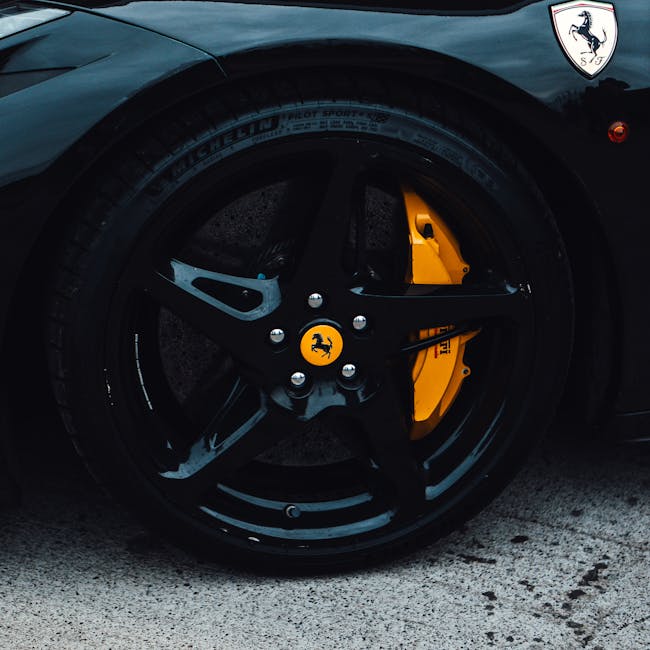
What is Car Make Symbol?
Understanding the significance of car make symbols is like decoding the language of the automotive industry. These symbols aren’t just decorative elements; they represent a brand’s identity, conveying messages of heritage, reliability, and innovation. Think of them as the face of the brand, silently yet powerfully communicating with consumers worldwide. In this article, we’ll explore the fascinating world of car make symbols, tracing their history, understanding their importance, dissecting their design elements, and speculating on future trends.
The History of Car Make Symbols
Early Automotive Symbols
The first car logos were simple, reflecting the technological novelty of automobiles. Brands like Cadillac incorporated emblems that narrated stories of family heritage and prestige. Early symbols often borrowed from heraldic designs, projecting an air of nobility and craftsmanship. As cars were once luxury items, these symbols helped position brands in the upper echelons of society.
Evolution Through the Decades
As the automotive industry grew, so did its need for distinctive branding. From the roaring ’20s to the digital age, car logos have transformed to reflect changing consumer tastes and technological advancements. The Aston Martin wings introduced in 1927 are a prime example of evolving design, moving from basic shapes to intricate, meaningful emblems. Over the years, logos have simplified, aligning with modern tastes that favor minimalism.
Importance of Car Make Symbols
Brand Recognition
Car make symbols play a crucial role in brand recognition. They serve as visual shorthand for consumers, evoking the brand’s reputation and product quality. A simple glance at a Toyota or BMW logo immediately triggers associations—reliability, innovation, luxury—owing to years of strategic branding.
Emotional Connection
More than just identifiers, car make symbols forge emotional connections with consumers. They’re like familiar friends on the journey of life, symbols of trust and aspiration. Many drivers feel a profound attachment to their car brand, often influenced by the emblem that adorns their vehicles. This connection is further enriched by stories and experiences, making the logo a sentimental artifact.
Design Elements of Car Make Symbols
Color Psychology
Colors in car make symbols aren’t chosen lightly. They wield the power to influence perceptions and evoke emotions. For instance, the use of silver often signifies sophistication and elegance, while black represents control and power. Brands like Mercedes-Benz masterfully employ these hues to enhance brand narratives and appeal to target demographics.
Logo Shapes and Their Meaning
Shapes in car make symbols carry significant meanings. Rounded logos might suggest community and inclusion, while angular shapes evoke strength and precision. Consider Volkswagen’s iconic round logo, symbolizing unity and customer-centric values. Shape choices are strategic, aiming to align with brand ethos and market positioning.
Future Trends in Car Make Symbol Design
Influence of Technology
Technology is reshaping the branding landscape, with car logos adapting to digital interfaces and virtual realities. The trend of simplifying automotive logos is a direct response to digital consumption habits, where clarity and adaptability are crucial. As cars become more integrated with technology, symbols might evolve to include dynamic, interactive elements.
Sustainability in Branding
As the world shifts towards sustainability, car make symbols are likely to reflect this movement. Eco-friendly designs that emphasize simplicity and green values are becoming more prevalent. Brands are increasingly aware of their ecological footprint, and their symbols must align with these values to maintain consumer trust and relevance.
Conclusion
Car make symbols are more than mere illustrations; they’re integral to a brand’s identity and consumer engagement strategy. They encapsulate history, evoke emotions, and adapt to future trends, maintaining their relevance in an ever-changing landscape. As we navigate the roads of the future, these symbols will continue to guide us, signifying more than just a brand—they’ll represent ideals, innovation, and the enduring human spirit.
 Photo by Diego Arriaza