What is Brand Differentiation Tools?
In today’s bustling market, standing out isn’t just an option—it’s a necessity. Imagine a sea of brands, each vying for attention, like a crowd of people waving their hands in the air. To grab someone’s gaze, you need to be distinct, memorable, and compelling. That’s where brand differentiation comes into play. Brand differentiation tools provide businesses with strategies to highlight what makes them unique, helping them shine amid the competition. But what exactly are these tools, and why are they crucial for success?
Understanding Brand Differentiation
Brand differentiation refers to the tactics and strategies businesses use to make their products or services distinct from their competitors. It’s the secret sauce that transforms a brand from just another face in the crowd into a recognizable and preferred choice. According to Medium, the process involves crafting an identity that resonates uniquely with customers.
The Importance of Brand Differentiation
Why does brand differentiation matter so much? It’s simple. In a market flooded with similar products and services, differentiation helps attract and retain customers. Brands that differentiate effectively often see increased customer loyalty and, subsequently, higher sales. As highlighted by Forbes, successful differentiation can be a game-changer, creating authenticity and trust among consumers.
Key Elements of Brand Differentiation
Several core components contribute to effective brand differentiation. These include a strong brand story, unique visuals, consistent messaging, and exceptional customer experiences. Each element plays a vital role in shaping how a brand is perceived and can significantly impact consumer choice.
Popular Brand Differentiation Tools
To carve out a niche in the marketplace, businesses often rely on a variety of brand differentiation tools. Here are some popular ones:
Unique Selling Proposition (USP)
A Unique Selling Proposition, or USP, is a statement that clearly articulates what makes a product or service different and better than competitors. It’s about pinpointing that one thing that makes your brand irreplaceable. This concept is foundational in distinguishing a business in a crowded market.
Brand Positioning Matrix
The Brand Positioning Matrix is a strategic tool used to visualize how a brand compares to its competitors regarding key attributes. By plotting your brand on this matrix, you can identify market gaps and opportunities for differentiation. LinkedIn offers insights into how to effectively use this and other tools for brand positioning.
Customer Persona Development
Creating detailed customer personas helps businesses understand their audience’s needs, preferences, and behaviors. This empathy-driven approach enables brands to tailor their offerings and communication strategies, ensuring they’re aligned with what their customers truly value.
Competitive Analysis Tools
These tools help analyze competitors’ branding strategies, providing invaluable insights into market dynamics. Understanding what competitors offer and how they position themselves enables brands to craft more effective differentiation strategies. Resources like ActualTech Media provide guidance on leveraging such tools.
Implementing Brand Differentiation Strategies
Once armed with the right tools, the next step is implementation. Here’s how to put your differentiation strategies into practice:
Developing a Cohesive Brand Message
A consistent brand message across all marketing channels is crucial. It’s the thread that ties all your branding efforts together, ensuring customers receive a unified and compelling narrative about who you are and what you stand for.
Leveraging Social Media for Brand Differentiation
Social media platforms are powerful allies in brand differentiation. They offer direct lines to engage with audiences and showcase your brand’s unique personality. By actively participating in social media conversations, brands can foster a distinctive and relatable presence.
Measuring the Impact of Brand Differentiation
To ensure your differentiation efforts are paying off, it’s important to measure their impact. Here’s how:
Key Performance Indicators (KPIs) for Brand Differentiation
Tracking KPIs such as brand awareness, customer retention rates, and conversion rates can provide insights into the success of your differentiation strategies. These metrics help you understand how well your brand resonates with your target audience.
Customer Feedback and Surveys
Customer feedback is a goldmine of information about brand perception. Conducting regular surveys allows you to gather insights directly from your customers, helping refine your strategies and improve your brand differentiation efforts.
Conclusion
Harnessing the right brand differentiation tools can set your business on a path to success. By clearly defining what makes your brand unique and effectively communicating that to your audience, you not only stand out in a crowded marketplace but also build lasting relationships with customers. As you embark on this journey, remember that differentiation is not just about being different—it’s about being better in the eyes of your customers. So go ahead, implement these strategies, and watch your brand soar.
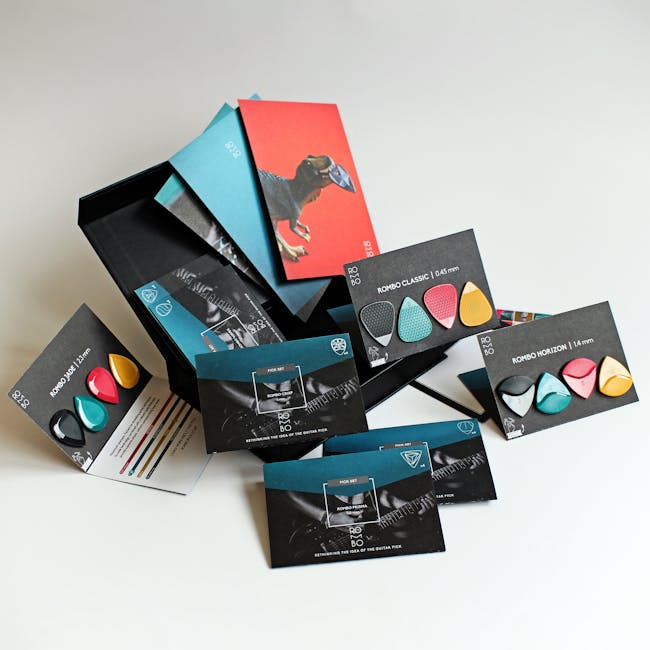
 Photo by ROMBO