Creating a Logo for Your Community Wellness Retreat Event
Designing a logo for your community wellness retreat is more than just an artistic endeavor; it’s a pivotal step in establishing your brand identity. A well-crafted logo can attract participants, convey your retreat’s values, and create a lasting impression. This guide will walk you through the process of creating a logo that resonates with your audience and captures the essence of your event.
Understanding Your Retreat's Brand Identity
Brand identity is the collection of visual elements and messaging that represents your retreat. It’s how you communicate what you stand for to your audience. A strong brand identity builds trust and recognition, essential for attracting participants.
Defining Your Wellness Retreat's Mission and Vision
To start, clarify the purpose of your wellness retreat. What are your goals? Are you focusing on relaxation, health education, or community building? Write down concise mission and vision statements. This clarity will guide your logo design, ensuring it reflects your retreat’s core message.
Identifying Your Target Audience
Who do you wish to attract? Are you targeting stressed professionals, families, or fitness enthusiasts? Understanding your audience helps you create a logo that speaks to their desires and needs. This ensures your design will connect emotionally and visually.
Establishing Core Values
Identify the key values that will shape your retreat’s identity. Values like community, health, wellness, and sustainability might be essential. Use these values as cornerstones in your logo, ensuring it communicates the essence of what your retreat stands for.
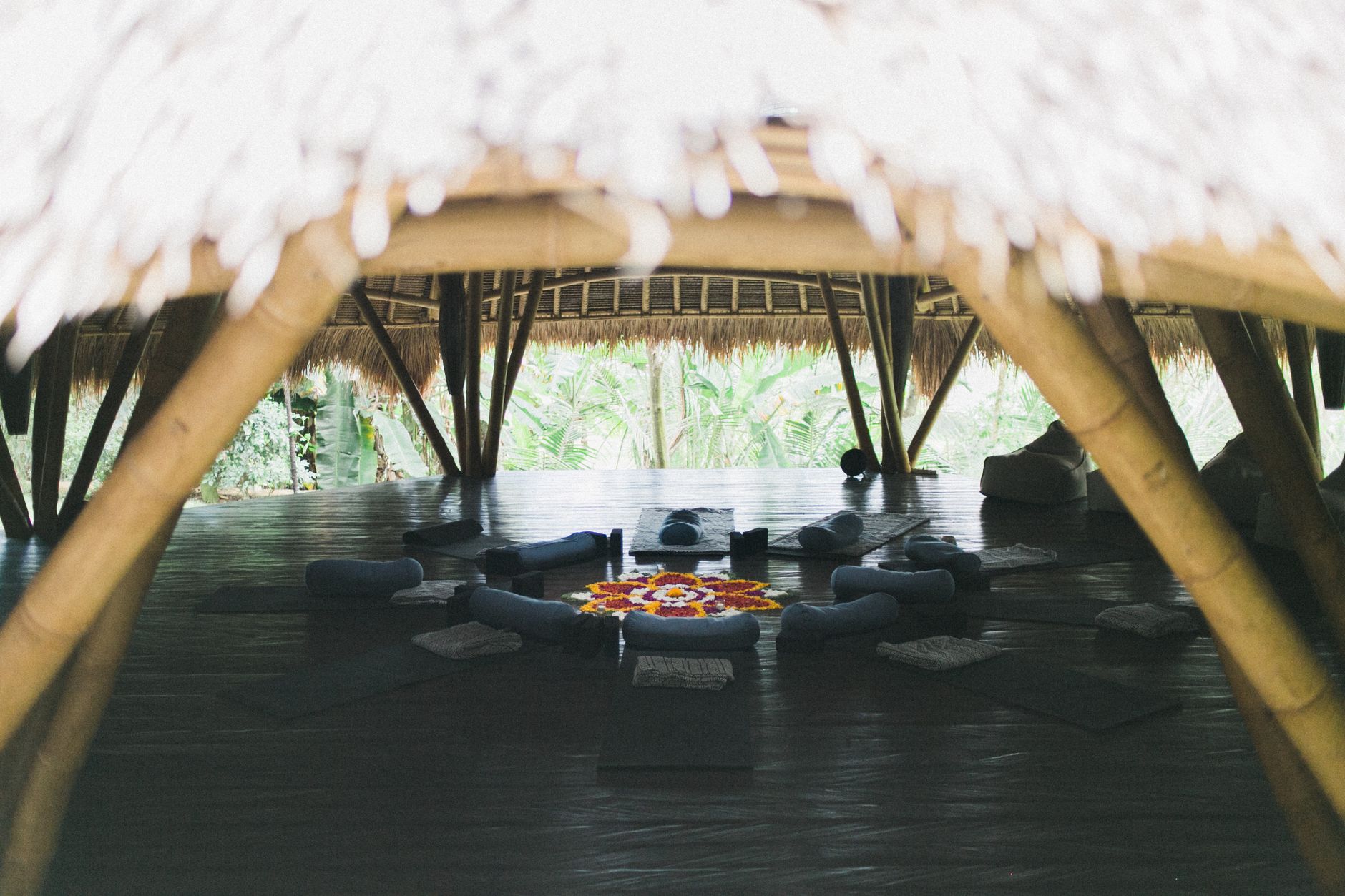
Photo by Evgenia Basyrova
Finding Inspiration for Your Logo
Inspiration is everywhere. Look around and discover the myriad sources that can spark your creativity.
Researching Existing Wellness Retreat Logos
Take time to examine the logos of other wellness retreats. What elements do you find appealing? Consider color schemes, typography, and symbols that resonate with you. This research helps you identify market trends and avoid inadvertently mimicking existing designs.
Using Mood Boards for Visual Inspiration
Creating a mood board is an effective way to capture the look and feel you want for your logo. Gather images, colors, and fonts that evoke the atmosphere of your retreat. Mood boards encourage creative flow and can help identify patterns and themes that you'd like to incorporate.
Considering Feedback from Your Community
Why not involve your potential attendees? Share your logo ideas with friends or community members. Their feedback can provide insight into what works and what doesn't. Engaging with your community fosters a sense of ownership and connection to your retreat.
Choosing Design Elements for Your Logo
Now it’s time to choose the detailed elements that will bring your logo to life.
Selecting the Right Colors
Color plays a critical role in your logo design. Different colors convey different emotions. For example, green is often associated with health and tranquility, while blue signifies trust and serenity. Think about the emotions you want your retreat to evoke and choose colors that reflect that.
Choosing Fonts Wisely
Fonts communicate tone and personality. A bold, modern typeface can convey energy, while a softer, rounded font may evoke warmth and relaxation. Choose fonts that complement your retreat’s essence and ensure they are readable at various sizes.
Incorporating Relevant Symbols or Imagery
Consider using symbols that represent wellness, such as leaves, water, or community-related icons. These visuals can strengthen your logo’s message and make it instantly relatable to your audience.
Using Logo Maker Shop for Your Design
Creating a logo doesn't have to be tedious. The Logo Maker Shop offers a user-friendly platform to help you bring your vision to life with ease.
How to Create Your Logo with Logo Maker Shop
Begin by visiting the Logo Maker Shop website. You'll find tutorials and guides on how to create logos seamlessly. The intuitive interface allows you to adjust colors, fonts, and images to match your vision perfectly.
Tips for Customization and Refinement
Don’t hesitate to experiment with different designs. The beauty of a DIY approach is that you can adjust elements as often as you wish. Try various combinations of colors and fonts until you find the right fit that represents your community wellness retreat.
Finalizing Your Logo and Marketing Your Retreat
Once your logo is designed, it’s time to finalize it and start using it in your marketing efforts.
Testing Your Logo with Focus Groups
Gather a small focus group comprised of potential attendees to review your final logo. Their input can provide critical feedback and ensure that your logo resonates with your target audience.
Using Your Logo Across Marketing Materials
Consistency is key! Use your logo across all promotional materials, from flyers and business cards to social media and websites. Keeping your branding cohesive helps build recognition and establishes your retreat’s identity.
Conclusion: Bringing Your Vision to Life
Creating a logo for your community wellness retreat can be an exciting journey. By understanding your retreat’s identity, finding inspiration, and carefully choosing design elements, you can craft a logo that not only looks great but encapsulates the essence of your retreat.
Next Steps After Logo Creation
Once you have your logo, actively use it to promote your retreat. Share it on social media, add it to your website, and showcase it in your marketing materials. A strong logo enhances your brand visibility and allows you to connect deeply with your audience.
By following these steps, you’ll be well on your way to establishing a compelling brand identity for your community wellness retreat event.
Don’t wait—explore the Logo Maker Shop today and bring your logo vision to life!

Michael Harper is a Senior Content Strategist at MarketInsider.co, a premier source for insights on digital marketing and business trends. With over 15 years of expertise in content development and strategic communications, Michael is renowned for his ability to craft compelling narratives that resonate with diverse audiences. He holds a Bachelor’s degree in Journalism from New York University and a Master’s degree in Business Administration from Columbia Business School. Outside of work, Michael is passionate about historical literature and enjoys hiking the trails of the Pacific Northwest.