How to Create a Logo for My Own Community Sports Challenge Event
Designing a logo for your community sports challenge event might sound daunting, but it’s crucial for boosting visibility and fostering a strong community spirit. A well-crafted logo not only represents your event but also engages participants, inspires excitement, and builds brand recognition. So let’s jump into the steps to create a logo that captures the essence of your exciting event!
Understanding Your Community Sports Challenge Event
Before diving into the design process, it’s essential to clearly define what your event is all about. This understanding serves as the foundation for your logo.
Define the Goals of Your Event
What are you aiming to achieve with your community sports challenge? Is it to promote health, encourage teamwork, or simply to have fun? Setting clear objectives will guide your logo design, ensuring it resonates with your mission. For instance, if you want to highlight competition, a dynamic and bold logo can convey that energy.
Identify Your Target Audience
Consider who will participate in your event. Are they families, young athletes, or seasoned sports enthusiasts? Understanding the demographics and interests of your audience will help in creating a logo that appeals directly to them. Think about what colors, symbols, or styles would attract and reflect the community’s spirit.
The Importance of a Logo for Your Event
Now that you have a grasp of your event’s goals and audience, let’s explore why a logo is crucial for your community sports challenge.
Building Brand Recognition
A logo acts as the visual cornerstone of your event. Imagine seeing it on flyers, signage, and T-shirts—it becomes synonymous with your challenge. An effective logo leaves a lasting impression, making your event synonymous with energy, fun, and a sense of community pride.
Fostering Community Identity
Your logo can embody the spirit and uniqueness of your community. Whether it includes local landmarks, sports imagery, or color palettes reflective of your area, it can foster a sense of belonging. This connection can significantly enhance community engagement and participation.
How to Create a Logo for My Own Community Sports Challenge Event
Now, let’s delve into the step-by-step process of creating your logo. With the help of the Logo Maker Shop, you can achieve a professional look without the hassle of hiring a designer.
Define Your Brand Identity
Begin by crafting a brand identity that reflects your event's values. What message do you want to convey? Use the Logo Maker Shop to experiment with designs that embody fun, community, and sportsmanship.
Seek Inspiration for Your Logo
Inspiration can come from numerous sources. Look at successful sports logos, browse articles on Logo Ideas, or explore how to create logos with Logo Maker Shop. Observe trends that resonate with your intended style to get your creative juices flowing!
Choose a Logo Type
There are various types of logos to consider, each serving a different purpose.
- Wordmark: Uses the event name in a stylized font.
- Emblem: Combines text and imagery within a shape, giving it a classic look.
- Abstract mark: Uses shapes and colors without literal representations, offering versatility.
Select a type that aligns with your event's personality.
Design Elements to Consider
When it comes to the actual design, several elements play a vital role in making your logo stand out.
Color Psychology in Sports Logos
Colors evoke emotions, so choose wisely. Red can signify energy and passion, while blue can evoke trust and calmness. Think about the message you want to send.
Font Selection for Impact
Your font should reflect the spirit of your event. Pick a font that’s easy to read but also embodies the energy of your challenge. Bold and dynamic fonts can convey excitement, while more script fonts might suggest elegance.
Imagery and Icons
Consider symbols or images that represent your event. Whether it’s a basketball, a running figure, or local symbols, using relevant imagery can strengthen the connection to your community. Think of icons that resonate with both participants and spectators.
Using Logo Maker Shop for Design
The Logo Maker Shop provides a user-friendly platform for designing your logo. Here’s how to make the most of it.
Step-by-Step Logo Creation
Start by choosing the type of logo you want. Follow the prompts to customize colors, fonts, and shapes. The platform allows you to see real-time changes, making it easy to visualize your ideas as you create.
Refining Your Logo Design
Once you’ve created your initial design, gather feedback from friends, volunteers, or other community members. Use their insights to refine the logo further. Iterative feedback will help ensure you achieve a compelling final product.
Finalizing and Promoting Your Logo
After finalizing your design, it’s time to get your logo out in the world!
Implementing Your Logo Across Marketing Materials
Use your logo on various platforms: flyers, social media, merchandise, and event signage. Consistent branding reinforces recognition across different mediums, creating a cohesive event identity.
Gathering Community Feedback
Engaging your community in the logo’s journey adds personal touch and excitement. Consider hosting a reveal event or sharing options online for followers to vote on their favorite designs. Promoting participation fosters connection and enthusiasm.
Conclusion
A well-designed logo is more than just a graphic; it’s a powerful tool for enhancing recognition and community spirit in your sports challenge event. By following these steps, you’ll create a logo that embodies your event’s energy and fosters connections within your community. Design your logo today and get ready for an impactful event that leaves both participants and spectators excited for years to come!
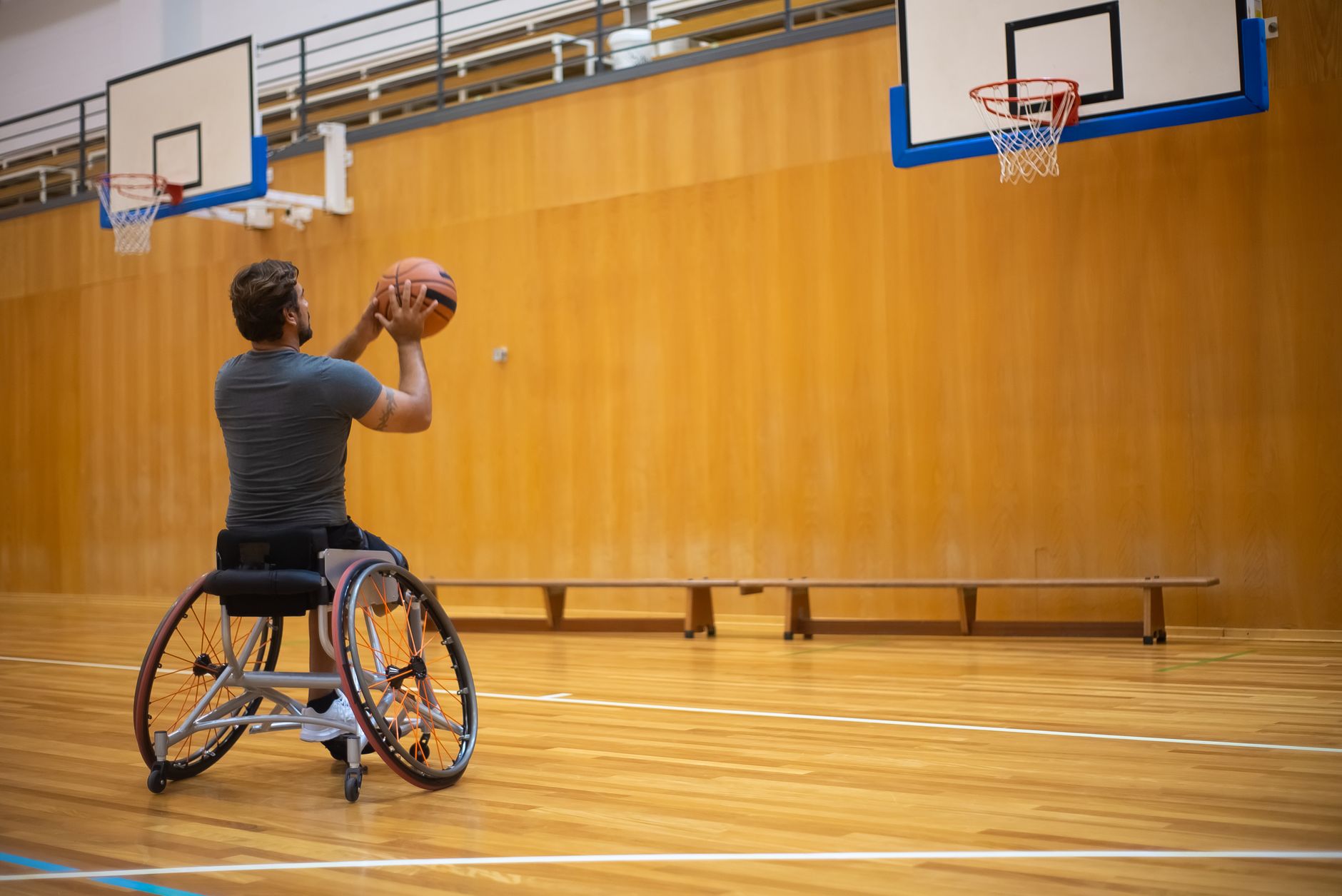
Photo by Kampus Production

Michael Harper is a Senior Content Strategist at MarketInsider.co, a premier source for insights on digital marketing and business trends. With over 15 years of expertise in content development and strategic communications, Michael is renowned for his ability to craft compelling narratives that resonate with diverse audiences. He holds a Bachelor’s degree in Journalism from New York University and a Master’s degree in Business Administration from Columbia Business School. Outside of work, Michael is passionate about historical literature and enjoys hiking the trails of the Pacific Northwest.