How to Create a Logo for Your Clay Brick Manufacturing Business
Want a logo that shouts your brand's personality loud and clear? A great logo isn't just pretty—it's a powerful tool for building a recognizable and trusted brand. This guide will walk you through crafting a logo that perfectly represents your clay brick manufacturing business.
Understanding Your Brand Identity
First things first, what's the essence of your brand? Who are you trying to reach? What makes your clay bricks special? Define your target audience, values, mission, and your unique selling propositions (USPs). Are your bricks eco-friendly? Are they exceptionally durable? Knowing these answers is crucial for designing a logo that speaks volumes about your company. This helps you craft a unique logo that sets your brick manufacturing company apart. Develop a detailed brand profile; it will serve as your guide.
Logo Design Inspiration
Look around for inspiration! Study logos of successful brick companies. What colors and imagery do they use? What's their overall design style? Can you find elements that resonate with your brand identity? Explore various design styles and color palettes on the Logo Maker Shop. Don't be afraid to experiment and see what sparks your interest. The Logo Maker Shop has tons of resources to help you.
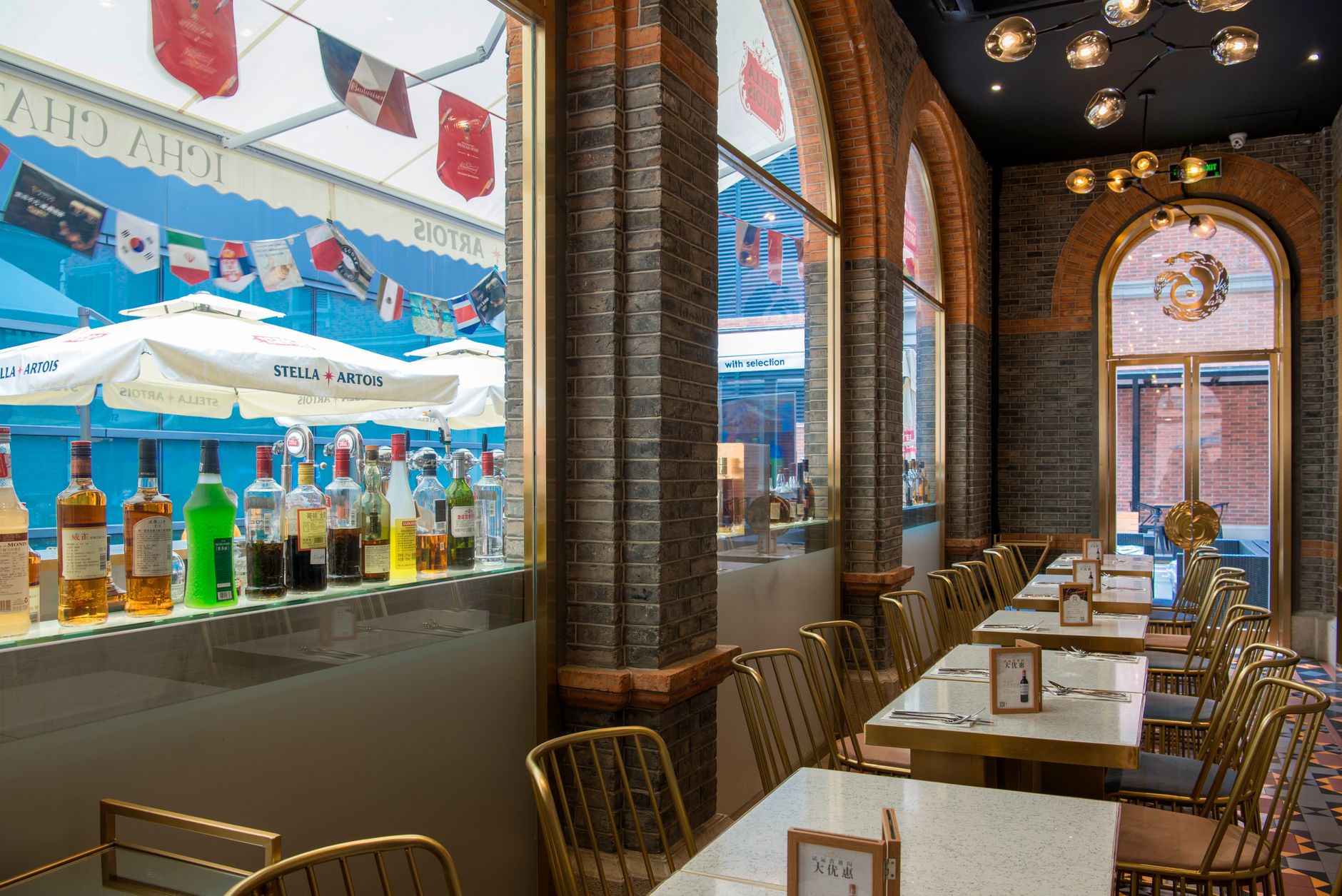
Photo by wei tao (https://www.pexels.com/@wei-tao-64074298)
Key Elements of a Compelling Logo
Your logo is more than just a pretty picture. Consider the typography, colors, imagery, and overall design aesthetics. Choose fonts and colors that match your brand values. For example, a sleek, modern font might be perfect for a high-end brick line, while a more traditional font might work better for a company emphasizing heritage. Use imagery that hints at the quality or the materials of your clay brick. The Logo Maker Shop offers great insights on effective logo design elements.
Crafting Your Logo Design
Now, let's get to the design itself. Start by sketching some initial concepts. Don't worry about perfection at this stage; just get your ideas down on paper (or your computer!). Refine these initial concepts, making adjustments as needed. The iterative process is key. Use the Logo Maker Shop tools to help with this process.
Choosing the Right Tools
Use tools that fit your skillset. The Logo Maker Shop platform offers a range of features, including templates, design elements, and customization options to help you create a fantastic logo.
Adding Personal Touches
Add details unique to your brick manufacturing business. Consider incorporating elements related to the location of your factory, the history of your business, or the materials you use. This will help establish a unique brand identity. Maintain consistency in the logo design across all platforms, whether it's your website, social media, or business cards. The Logo Maker Shop offers resources to ensure brand consistency.
Testing and Refining Your Design
Get feedback from others. What do they think about your logo? Refine your design based on feedback. Ensure the logo looks good across different sizes and applications. The Logo Maker Shop has many resources to help you test and refine your logo design.
Conclusion
Creating a logo for your clay brick business is an important step in building your brand. A strong logo can help set your company apart in a competitive market. Use the Logo Maker Shop resources to create a compelling logo that reflects your brand identity. Remember, a good logo isn't just about aesthetics; it's about connecting with your target audience and conveying your brand message effectively. Craft a logo that truly represents your clay brick manufacturing business.

Michael Harper is a Senior Content Strategist at MarketInsider.co, a premier source for insights on digital marketing and business trends. With over 15 years of expertise in content development and strategic communications, Michael is renowned for his ability to craft compelling narratives that resonate with diverse audiences. He holds a Bachelor’s degree in Journalism from New York University and a Master’s degree in Business Administration from Columbia Business School. Outside of work, Michael is passionate about historical literature and enjoys hiking the trails of the Pacific Northwest.