How to Create a Logo for My Own Charity Marathon Event
Designing a logo for your charity marathon is a crucial step in establishing a memorable identity for your event. A well-crafted logo communicates the essence of your cause and connects with potential participants, donors, and volunteers. It should resonate emotionally, creating an immediate impression that sparks interest and action. Let's dive into the step-by-step process of creating a powerful logo for your charity marathon.
Understanding Your Charity's Mission and Audience
Before you can begin sketching out your logo, take time to understand your charity’s mission and the audience you're aiming to reach. This knowledge will guide your entire design process.
Defining the Mission Statement
A clear and concise mission statement serves as the foundation for your logo. Think of it as a guiding star. How would you articulate what your charity marathon represents in just a few sentences? Use actionable, straightforward language that conveys your core values.
Tips:
- Avoid jargon; keep it easy to understand.
- Focus on the impact your marathon has on the community.
- Make it inspiring yet grounded in reality.
Identifying Target Audience
Next, consider who will participate in your charity marathon. Your target audience may include runners, donors, and local supporters. Each group will respond to different visual cues, so it’s essential to analyze their demographics.
Methods:
- Conduct surveys or use social media polls to gather insights.
- Research previous marathon participants' profiles, interests, and motivations.
- Discuss your ideas within community circles to ensure alignment with audience aspirations.
Gathering Inspiration for Your Logo
Inspiration is everywhere, and it’s crucial to tap into it to create something unique.
Exploring Other Charity Logos
Look at logos from established charity marathons. This will help you identify elements that resonate with audiences in similar spaces. Don’t copy, but feel free to extract design principles and adapt them to your vision.
Using Mood Boards
Creating a mood board can be an exciting way to visualize themes, colors, and styles. Collect images, color swatches, and logos that inspire you. This tool can serve as a reference point throughout the design process.
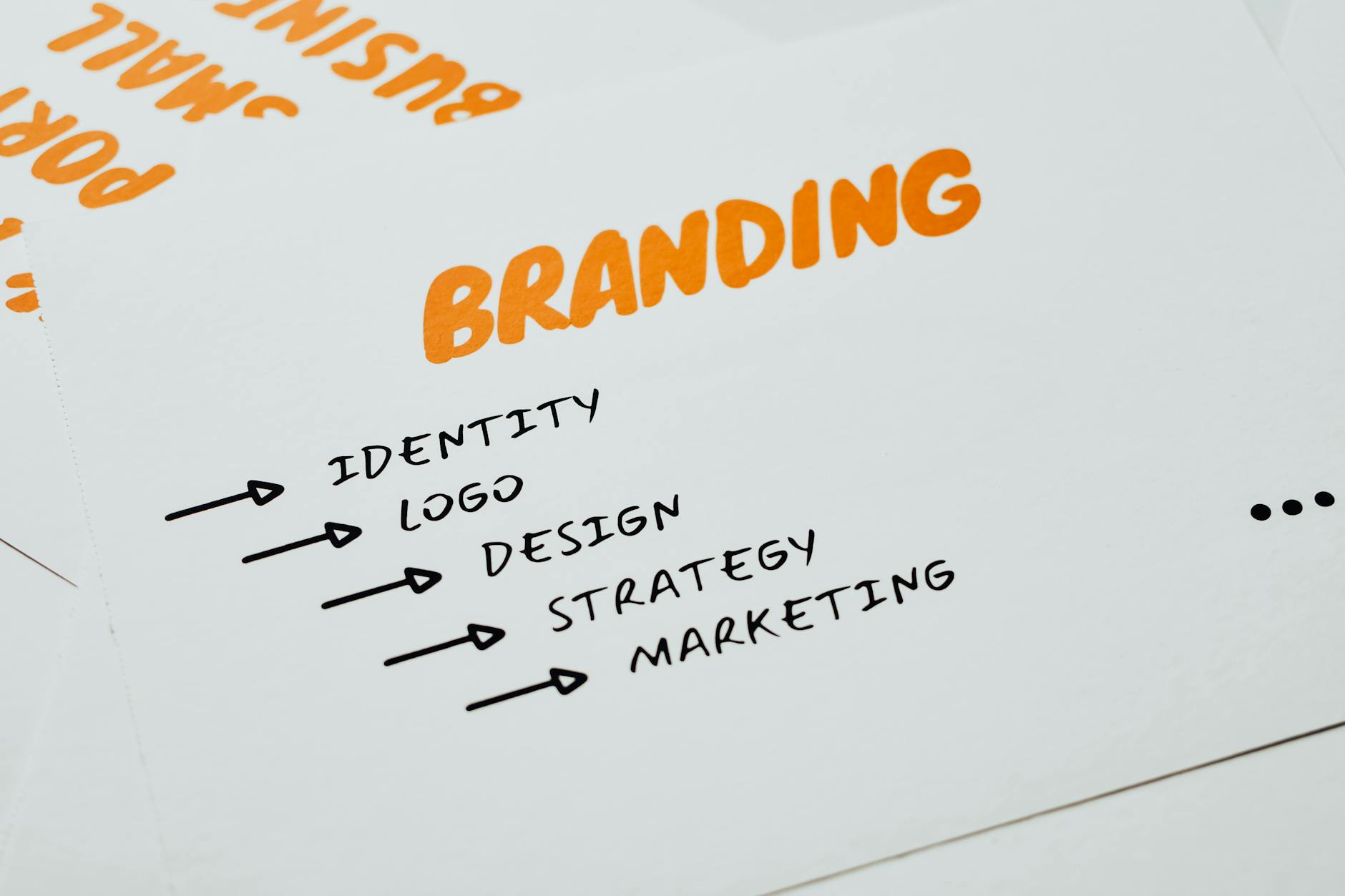
Photo by Eva Bronzini
Choosing the Right Logo Style
Picking a logo style will significantly influence how people perceive your charity marathon.
Wordmark and Lettermark
Text-based logos, such as wordmarks or lettermarks, can enhance recognition. A strong name or initials represent your cause effectively. This approach keeps it simple and memorable.
Iconic and Abstract Logos
Using symbols or abstract designs can convey complex messages instantly. If you opt for a visual icon, ensure it embodies your mission. A heart, for example, radiates compassion.
Selecting Colors and Fonts
Colors and fonts create emotional connections and perceptions around your charity marathon.
Color Psychology in Branding
Different colors evoke different emotions. For example, red often represents passion and action, while blue can convey trust and calmness. Choose a palette that aligns with your marathon's message.
Choosing Readable Fonts
Your font choice should reflect your event's tone and be easy to read. Fonts that are too complex can confuse viewers. Aim for clarity while maintaining a friendly appearance.
Utilizing Logo Maker Shop for Your Design
Consider using the Logo Maker Shop to bring your vision to life. It’s user-friendly, making it an ideal choice for those tackling logo design for the first time.
Features of the Logo Maker Shop
The Logo Maker Shop offers a variety of templates, icons, and customization options. You don’t need advanced design skills to create something beautiful. With its intuitive interface, you can experiment with layouts and styles.
Step-by-Step Logo Creation Guide
- Sign up for the Logo Maker Shop.
- Choose a template that resonates with your mission.
- Customize colors, fonts, and icons.
- Preview your logo on different backgrounds.
- Download your design in various formats.
Refining and Testing Your Logo
Creating a logo doesn’t end once you download it. It's crucial to refine and test your design.
Gathering Feedback from Peers
Share your logo drafts with volunteers, participants, and community members. Their perspectives can help identify areas for improvement you might overlook.
Testing Visual Impact
Make sure your logo looks good across different mediums. Test it on posters, social media, and even merchandise. Does it maintain its identity in black and white? Ensure it remains impactful in various formats.
Launching the Logo for Your Charity Marathon
Now that you have a logo you love, it’s time to unveil it to the world!
Creating Buzz on Social Media
Tease the launch of your logo on social media platforms. Use countdowns, behind-the-scenes content, and testimonials to generate excitement leading up to the reveal.
Utilizing Logo in Marketing Materials
Consistently use your logo across all marketing materials, from flyers to digital ads. This creates a cohesive brand identity that participants will recognize.
Conclusion
Creating a logo for your charity marathon is about more than just aesthetics; it's about encapsulating your mission and connecting with your audience. By understanding your charity's goals, gathering inspiration, choosing the right style, and utilizing tools like the Logo Maker Shop, you can create a logo that not only communicates your message but also inspires action. Get started today, and watch as your emblem breathes life into your charity marathon.
For more resources, check out Logo Ideas and How to Create Logos with Logo Maker Shop.

Michael Harper is a Senior Content Strategist at MarketInsider.co, a premier source for insights on digital marketing and business trends. With over 15 years of expertise in content development and strategic communications, Michael is renowned for his ability to craft compelling narratives that resonate with diverse audiences. He holds a Bachelor’s degree in Journalism from New York University and a Master’s degree in Business Administration from Columbia Business School. Outside of work, Michael is passionate about historical literature and enjoys hiking the trails of the Pacific Northwest.