How to Create a Logo for My Own Charity Fundraiser Event
Creating a logo for your charity fundraiser event is a crucial step in setting the tone of your initiative. It's not just a design; it's a symbol of your mission, values, and the impact you aim to make. A compelling logo reinforces brand recognition and builds trust within your community. Let’s explore the process of crafting a logo that will resonate with your audience and enhance your event's outreach.
Understanding the Purpose of Your Charity Fundraiser Logo
Your charity fundraiser logo acts as the face of your event. It should reflect the deeper mission and values of your organization, creating a lasting impression on those who see it. Just as a memorable catchphrase can stick in your mind, a well-designed logo can trigger emotional connections and inspire action.
Identifying Your Charity's Values and Mission
Before starting the design, take a moment to clarify your charity's core values and mission. Ask yourself these key questions:
- What is the primary purpose of our charity?
- Who do we serve, and how do we impact their lives?
- What values do we want our audience to associate with us?
Your answers should guide the logo design process, ensuring that every element—from colors to shapes—aligns with your charity’s mission.
Target Audience Considerations
Understanding your target audience is vital. Who are you trying to reach with your fundraiser? Are they local community members, corporate sponsors, or potential volunteers? Tailoring your logo to resonate with your specific audience can increase engagement and encourage participation.
For instance, if your event aims to attract families, a warm, inviting design may work best. On the other hand, if you’re appealing to corporate sponsors, a sleek, professional logo might be more appropriate.
Steps to Create a Logo for My Own Charity Fundraiser Event
Designing a logo can seem overwhelming, but breaking it down into manageable steps can ease the process. Here’s a step-by-step guide to help you create a logo for your charity fundraiser using the Logo Maker Shop, a user-friendly tool that makes the design process accessible and straightforward.
Choose the Right Logo Maker
Start your journey by selecting an effective logo maker. Logo Maker Shop is an excellent choice, offering a variety of customizable templates and features that simplify the design process. With just a few clicks, you can explore numerous design possibilities, making it easy to find an option that aligns with your vision.
Define Your Brand Identity
Next, take the time to outline your brand's identity. This involves determining the primary characteristics and aesthetic attributes of your charity. Consider elements like:
- The tone (e.g., serious, playful, inspiring)
- Key messages to convey
- Visual elements that resonate with your mission
By establishing these points, you’ll have a clear roadmap to guide your design.
Seek Inspiration
Inspiration is everywhere, especially when it comes to logo design. Look at existing charity logos and explore what makes them effective. Creating a mood board can also be a helpful exercise. It's a collection of images, colors, and typography that inspire you. The goal is to visually articulate your charity’s identity and mission before diving into design.
Select Logo Style and Type
Consider the type of logo that best suits your charity. There are several styles to choose from:
- Wordmark: Focuses on the name of the charity, using unique typography.
- Letterform: Uses initials for a minimalist look.
- Symbolic: Represents the charity through a distinctive icon or image.
Think about which type aligns best with your brand identity.
Decide on Color Scheme and Fonts
Choosing the right colors and fonts is crucial. Each color evokes different emotions, so consider the psychological impact. For instance:
- Blue often signifies trust and dependability.
- Green connects to nature and health.
- Red conveys urgency and passion.
Fonts, too, can communicate your charity's tone. Choose something legible yet stylish, aligning with your overall message.
Create and Refine Your Logo
Using Logo Maker Shop, start creating your logo. Experiment with different iterations until you find one that feels just right. Don't hesitate to test your designs with friends or volunteers for feedback. It’s often helpful to have fresh eyes catch what you might overlook.
Implement Logo Usage Guidelines
Once you've finalized your logo, it's vital to establish usage guidelines. This ensures that your logo maintains a consistent look across all platforms. For detailed guidelines, you can refer to the resources available on Logo Maker Shop.
Promoting Your Logo and Charity Event
Now that you have a logo, it's time to get the word out about your charity event. Here are some strategies to consider.
Leveraging Social Media for Awareness
Social media platforms are powerful tools for promotion. Share your logo across different channels, such as Facebook, Instagram, and Twitter. Highlight the meaning behind the logo and engage with your audience. Create hashtags to galvanize support and excitement around your event.
Creating Marketing Materials
Your logo should be front and center on all marketing materials. Use it on flyers, posters, brochures, and digital content. Consistent branding helps reinforce your charity's message and builds recognition over time.
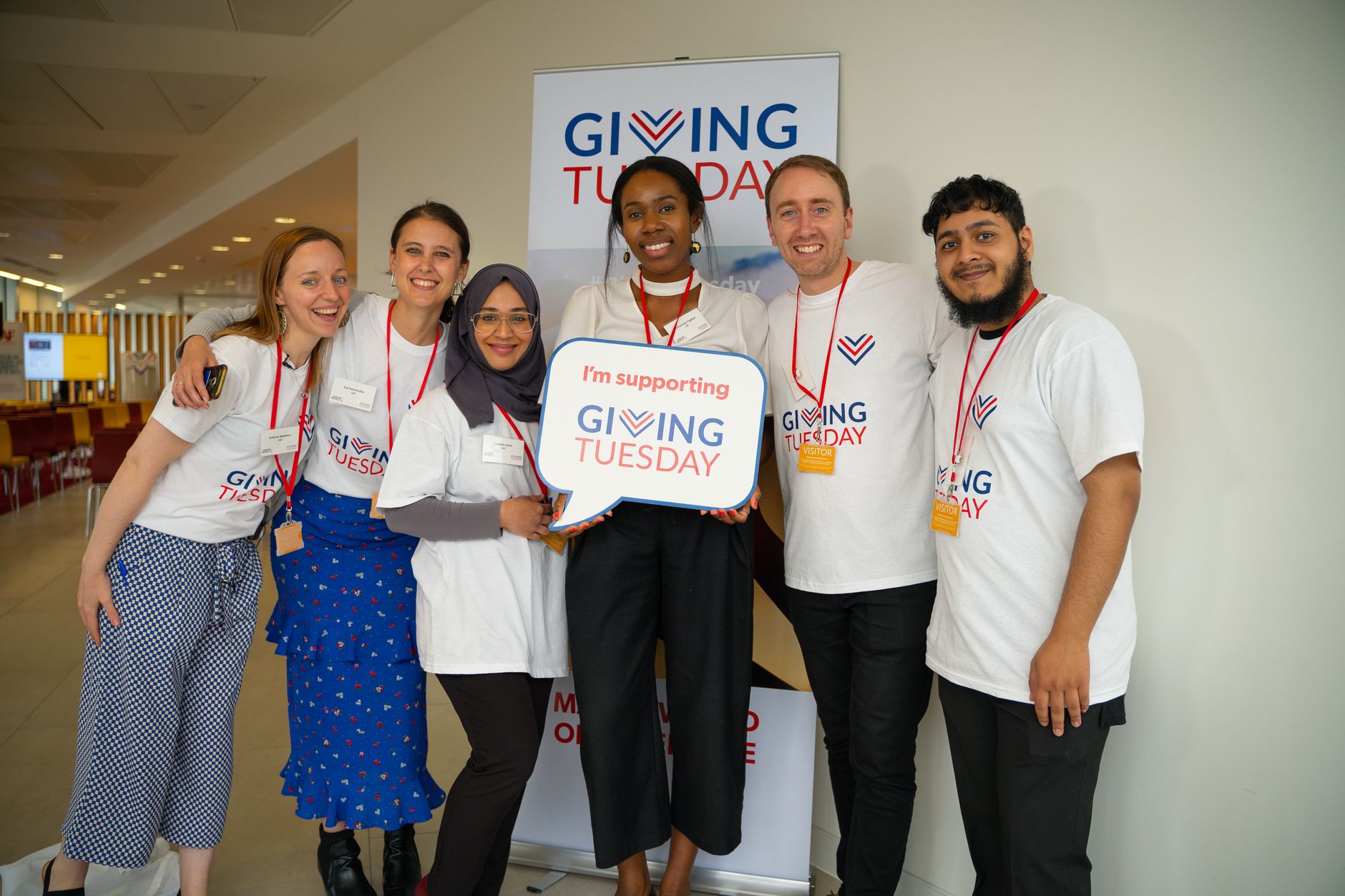 Photo by GivingTuesday
Conclusion
Creating a logo for your charity fundraiser event is a meaningful step in building your brand identity. It reflects your mission, engages your audience, and sets the tone for your initiative. By following the steps outlined above and harnessing the power of the Logo Maker Shop, you can design a logo that not only looks great but also tells a story that’s crucial to your charitable mission. Remember, every logo carries the potential to inspire action—make yours count!

Michael Harper is a Senior Content Strategist at MarketInsider.co, a premier source for insights on digital marketing and business trends. With over 15 years of expertise in content development and strategic communications, Michael is renowned for his ability to craft compelling narratives that resonate with diverse audiences. He holds a Bachelor’s degree in Journalism from New York University and a Master’s degree in Business Administration from Columbia Business School. Outside of work, Michael is passionate about historical literature and enjoys hiking the trails of the Pacific Northwest.