How to Create a Logo for My Own Ceramic Tableware Industry
Creating a unique and appealing logo is a crucial step in building your brand identity in the ceramic tableware industry. A well-designed logo not only represents your products but also conveys your brand’s values and connects with your target audience. Let’s dive into how you can craft the perfect logo for your ceramic tableware business.
Defining Your Brand Identity
Your brand identity is like the DNA of your business; it encapsulates what you stand for and how others perceive you. This foundation is essential for your logo design.
Understanding Your Target Audience
Who are your ideal customers? Knowing your audience helps tailor your logo to resonate with their preferences. For ceramic tableware, you may cater to home chefs, decorators, or gift buyers. Consider what appeals to them. Do they prefer rustic or modern aesthetics? Understanding their taste can significantly impact your logo design choices.
Incorporating Brand Values
What values does your brand uphold? Whether it’s sustainability, craftsmanship, or innovation, your logo should reflect these values. For instance, if your ceramic pieces are handmade using eco-friendly materials, consider using earthy colors and symbols such as leaves or clay elements in your design. This approach not only strengthens your brand identity but also builds trust with your audience.
Finding Inspiration for Your Logo
Inspiration is everywhere; you just have to know where to look.
Researching Competitors
Start by examining your competitors’ logos. What works well, and what doesn’t? This doesn’t mean copying their designs but understanding what makes their logos effective or memorable. For instance, if many competitors lean towards floral motifs, you might find inspiration in minimalist designs to differentiate your brand effectively.
Exploring Design Trends
Stay updated on current design trends in the home goods or ceramic industries. For example, retro colors or geometric patterns might give your logo the contemporary edge needed in today’s market. Keeping an eye on what's popular can inspire fresh ideas while helping you remain relevant.
Choosing the Right Design Elements
Your logo should consist of essential design elements that resonate with your ceramic tableware brand.
Selecting Colors and Fonts
Color psychology plays a significant role in how your brand is perceived. Choose colors that evoke the emotions you want your customers to feel. Warm hues like terracotta might suggest warmth and homeliness, while cool colors like blue can evoke a sense of serenity and cleanliness.
Similarly, font choice matters. A modern sans-serif font can suggest innovation and cleanliness, while a hand-drawn typeface can suggest a personal, artisanal touch. Make sure your choices align with the identity you want to project.
Logo Types Suitable for Ceramic Tableware
There are various logo types to consider:
- Wordmarks: Display your brand name in a unique font. This works well if your name is catchy and memorable.
- Letterforms: Use initials for a sleek, modern look. This can simplify your logo while maintaining elegance.
- Symbols: Create a visual icon representing your brand. A stylized ceramic object or a related motif could work wonders.
- Combination Marks: Blend text and symbols for versatility across branding materials.
Using Logo Maker Shop for Your Design
Creating a professional logo doesn't require a design degree. The Logo Maker Shop makes it easy and fun to design your logo.
Step-by-Step Process in Logo Maker Shop
- Start by Choosing a Logo Type: Select the style that suits your brand vision.
- Customize Your Design: Adjust colors, fonts, and layouts until it feels right.
- Preview and Save: Check how your logo looks across different formats and save your design.
With Logo Maker Shop, the entire process is straightforward, helping you produce a polished logo without needing design expertise. To explore more about how to create a logo, check this guide.
Examples of Successful Ceramic Tableware Logos
Look at successful logos in the ceramic tableware niche for inspiration. For ideas, discover examples created with the Logo Maker Shop on their site. Analyzing how color, typography, and imagery come together can offer valuable insights for your design process.
Finalizing Your Logo Design
Finalizing your logo is just as important as the initial design. You want to make sure it genuinely represents your brand.
Getting Feedback
Before launching your logo, gather feedback from peers, friends, or even potential customers. Ask questions like, “What does this logo convey to you?” or “Does it resonate with the ceramic tableware idea?” This is invaluable for refining your design.
Making Final Adjustments
Incorporate the feedback you’ve received. Perhaps your logo needs slight adjustments in color or font. Small tweaks can lead to substantial improvements in how your logo is perceived.
Preparing for Launch
Once you’re content with the final design, prepare your logo for various platforms. Consider how it will look on packaging, your website, and social media channels. Testing your logo in different contexts ensures it remains effective and recognizable.
Conclusion
Creating a logo for your ceramic tableware business involves thoughtful considerations of brand identity, audience, and design elements. By leveraging tools like the Logo Maker Shop, you can create a logo that not only stands out but also effectively communicates your brand's essence. Start today and watch your brand take shape with a logo that reflects who you are!
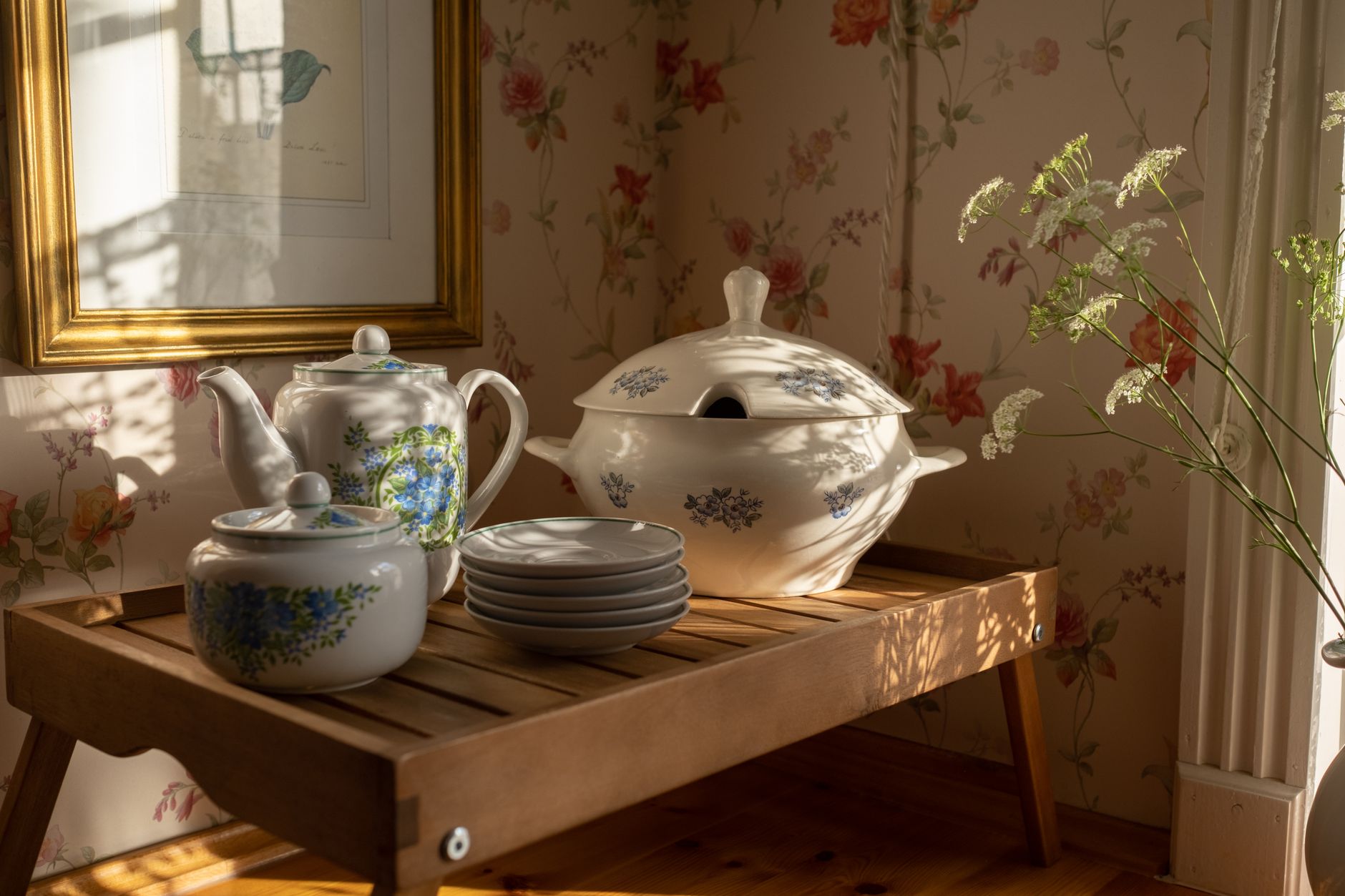
Photo by Ron Lach

Michael Harper is a Senior Content Strategist at MarketInsider.co, a premier source for insights on digital marketing and business trends. With over 15 years of expertise in content development and strategic communications, Michael is renowned for his ability to craft compelling narratives that resonate with diverse audiences. He holds a Bachelor’s degree in Journalism from New York University and a Master’s degree in Business Administration from Columbia Business School. Outside of work, Michael is passionate about historical literature and enjoys hiking the trails of the Pacific Northwest.