How to Create a Logo for My Own Catalytic Converter Industry
Creating a strong logo is crucial for building brand identity, especially in specialized industries like catalytic converters. In such a niche market, your logo serves as the first impression, signaling reliability and expertise. It’s not just a design; it’s a symbol of your business values and commitment to quality. This guide will walk you through the steps to design a logo that resonates with your brand and attracts your target audience.
Understanding Your Brand Identity
To design an effective logo, you first need to analyze what makes your catalytic converter business distinct.
Defining Your Unique Selling Proposition
What sets your business apart? Are you focusing on eco-friendly solutions? Or perhaps your specialization is in high-performance converters for racing vehicles? Pinpointing your unique selling proposition (USP) is essential. This could be your commitment to quality, customer service, or innovative technology.
Write down three to five key characteristics of your business. This list will help you create a logo that embodies your brand values and resonates with your audience.
Identifying Your Target Audience
Knowing your audience is just as important. The logo should communicate effectively with your potential customers. Are they individual car enthusiasts, repair shops, or eco-conscious consumers? Understanding who you’re targeting will guide your design choices, from colors to typography.
Consider conducting a survey or informal interviews with current customers to gather insights about their preferences and values. Their feedback can be invaluable in shaping your logo design.
Research and Inspiration for Your Logo
Once you have your brand identity defined, it’s time to gather ideas and draw inspiration.
Exploring Competitor Logos
Take a close look at your competitors. Research their logos—what colors do they use? What styles are prevalent? This will provide context for industry trends and standards. Your goal is not to copy but to understand the landscape and ensure your logo stands out.
Utilizing Online Resources
Don’t underestimate the power of online resources like the Logo Maker Shop for inspiration. Browse through various logo examples to see what resonates with you.
You might find ideas that spark your imagination, allowing you to create a logo that is both unique and industry appropriate.
Choosing the Right Logo Style
The style of your logo can significantly impact how your brand is perceived.
Text-Based Logos vs. Icons
You have two primary options: text-based logos or iconography.
- Text-Based Logos use your business name in a stylized format. This is effective if your name is catchy and easily memorable.
- Icon-Based Logos use images or symbols to represent your brand. While they can be impactful, many companies struggle with brand recognition without accompanying text initially.
Weigh the pros and cons of each style against your business identity.
Modern vs. Classic Styles
Next, think about whether a modern or classic design style aligns with your brand. Modern logos tend to be simplistic and sleek, while classic designs evoke tradition and reliability. Consider what might resonate better with your audience and the niche you’re targeting.
Designing Your Logo Using Logo Maker Shop
Now that you have your ideas and inspiration, it’s time to turn those thoughts into reality with the Logo Maker Shop.
Step-by-Step Guide to Using Logo Maker Shop
-
Start by Choosing Your Logo Type: Decide whether you want a text-based logo, an icon logo, or a combination.
-
Enter Your Business Name: Set the stage for the logo by entering your name and any tagline you want to incorporate.
-
Pick Your Colors: Draw from your understanding of color meanings to select your palette. For instance, blue can evoke trust, while green suggests eco-friendliness.
-
Select a Font: Choose typography that contrasts effectively with the style of your icon (if applicable) and reflects your brand identity.
-
Customize: Use the tools available to tweak layouts, colors, and other elements until you are satisfied.
Customizing Your Logo for Industry Needs
Make sure your design reflects the catalytic converter industry by possibly including related imagery or symbols. For example, using a car silhouette or exhaust symbol can help clarify your industry focus. This kind of tailoring shows that you understand the market and helps you engage more effectively with your audience.
Finalizing and Testing Your Logo
After creating your logo, it’s essential to validate it through testing.
Seeking Feedback from Peers and Customers
Before launching your logo widely, gather feedback. Share your design with trusted colleagues, friends, or even loyal customers. Their insights may identify areas for improvement or affirm that you’re on the right track.
Ensuring Scalability and Versatility
Your logo must work across various mediums. Check how it looks on a business card, website, and larger signage. A good logo should maintain its integrity and recognition rates, whether it's on a small scale or a large billboard.
Implementing Your Logo in Your Business Strategy
With the final logo in hand, it's time to integrate it into your branding strategy.
Using Your Logo in Marketing Materials
Your new logo should appear consistently across all of your marketing materials—think business cards, letterhead, website, and social media. Consistency helps build recognition and trust with your audience.
Monitoring Your Logo’s Performance
Finally, keep an eye on how your logo performs. Are customers reacting positively? Is it standing out in the market? Use analytics from your website or customer feedback to monitor brand recognition and reception over time. Adjustments may be needed based on your findings to ensure your logo remains effective.
Creating a logo for your catalytic converter industry may seem daunting, but by following these steps, you’ll be well-equipped to craft a powerful symbol that reflects your brand’s values and resonates with your target audience. A strong logo is not just a design; it’s a cornerstone of your business identity.
Ultimately, remember that a logo is an evolving entity. Stay open to refining and adapting it as your business grows and market trends change. Your journey as a business owner in the catalytic converter field has just begun, and a great logo sets the stage for your success.
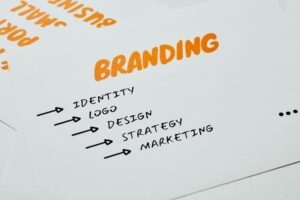
Photo by Oleksandr P 

Michael Harper is a Senior Content Strategist at MarketInsider.co, a premier source for insights on digital marketing and business trends. With over 15 years of expertise in content development and strategic communications, Michael is renowned for his ability to craft compelling narratives that resonate with diverse audiences. He holds a Bachelor’s degree in Journalism from New York University and a Master’s degree in Business Administration from Columbia Business School. Outside of work, Michael is passionate about historical literature and enjoys hiking the trails of the Pacific Northwest.