How to Create a Logo for My Own Bar Sport Style
Creating a captivating logo for your sports bar is more than just a design task—it's a critical component of your branding strategy. A well-crafted logo not only enhances brand recognition but also serves as a bridge connecting you to your target audience. Think of it as your bar’s handshake, introducing your vibe and inviting customers in before they even set foot inside.
Understanding Your Bar's Identity
Before diving into design elements, take a moment to reflect on what makes your bar unique. Your logo should encapsulate this identity, drawing customers in by resonating with their tastes and preferences.
Identifying Your Target Audience
Who are the loyal patrons of your sports bar? Understanding your customers is essential. Consider their age, lifestyle, and preferences. Are they college students looking for a weekend hangout? Or perhaps families seeking a friendly atmosphere during game nights? Pinpointing your target audience will shape everything from your logo's aesthetics to its messaging.
Defining Your Bar's Unique Selling Proposition
What sets your sports bar apart from the competition? Do you offer an expansive beer selection or an unbeatable game day atmosphere? Identifying your unique selling proposition (USP) will ensure your logo highlights the essence of your bar, making it memorable to potential customers.
Logo Design Basics
Effective logo design hinges on several key components. These elements will guide you as you work to create a visual representation of your brand.
Choosing the Right Logo Type
Your logo can take many forms—wordmarks, letterforms, or brand marks. Each type brings its own flair and aligns differently with the sports bar theme.
- Wordmark: This includes your bar's name in a distinctive typeface. It's straightforward and effective, especially if your bar has a catchy name.
- Letterform: A creative option focusing on your bar's initials. This can make for a sleek, memorable identity.
- Brand Mark: An icon that symbolizes your bar without text. This could be a sports-related image that captures your essence.
Color Psychology in Logo Design
The colors you choose for your logo can evoke specific emotions in your audience. Want to convey energy and excitement? Consider vibrant hues like red or orange. If you're aiming for a calmer vibe, blues and greens might be more appropriate. Reflect on the atmosphere you want your bar to convey and select your color palette accordingly.
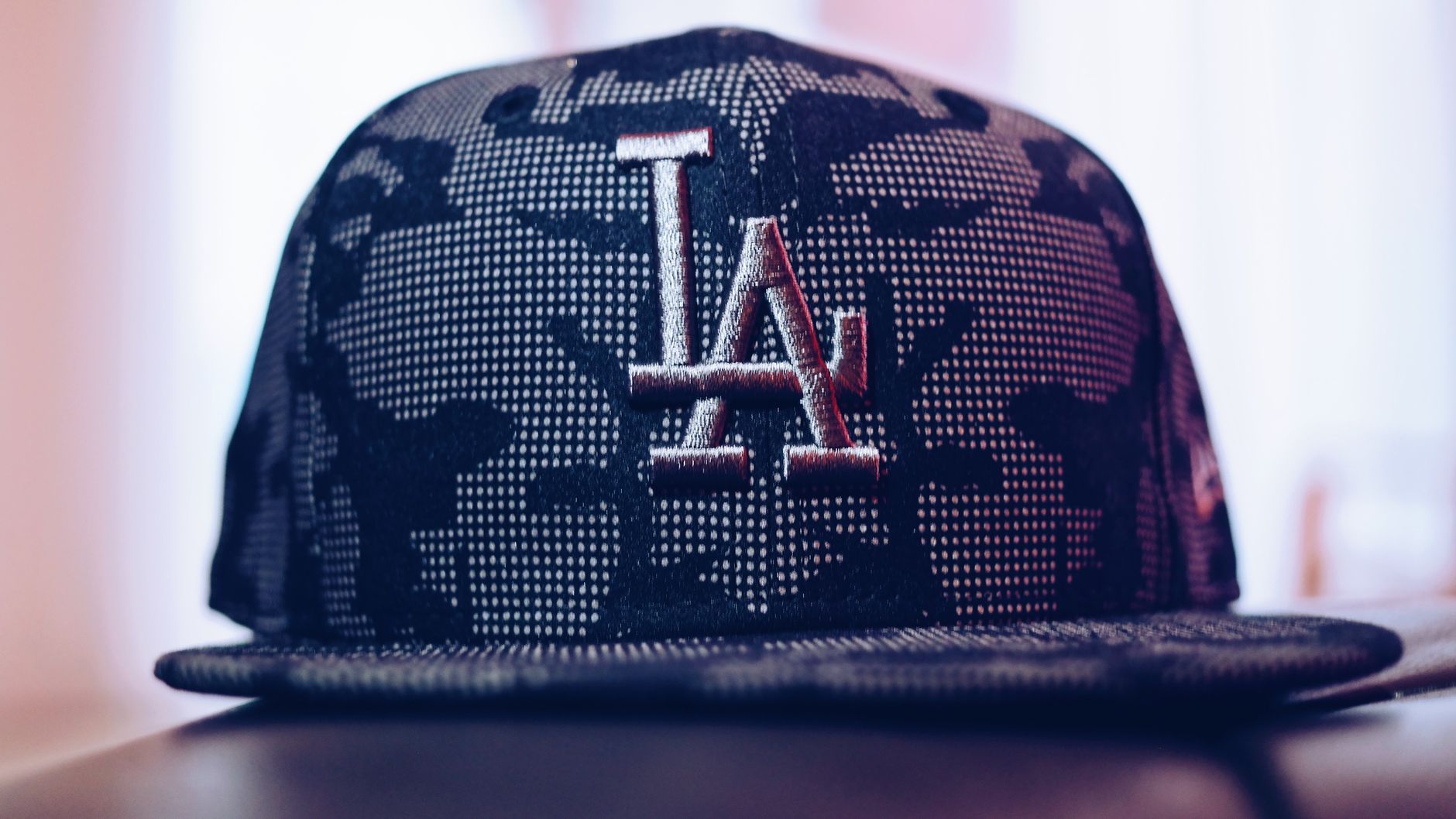
Photo by Jens Mahnke
Inspiration for Your Bar Logo
Finding the right inspiration can spark creativity and help your logo stand out.
Researching Competitor Logos
Take a look at what other sports bars are doing with their logos. This doesn’t mean you should copy them; rather, observe trends and design elements that resonate with patrons. By understanding what works (and what doesn't), you can create a logo that's both unique and appealing.
Finding Inspiration Online
The Internet is a treasure trove for design ideas. Platforms like Pinterest, Behance, and the Logo Maker Shop can provide a wealth of creative concepts. Dive into these resources for inspiration, but remember to keep your brand identity front and center.
Using Logo Maker Shop for Design
The Logo Maker Shop is an excellent tool for those ready to embark on their logo creation journey. With its user-friendly interface and vast array of templates, you’ll be on your way to crafting an eye-catching logo in no time.
Step-by-Step Guide to Using Logo Maker Shop
- Visit the Logo Maker Shop website.
- Choose a template that aligns with your bar's identity.
- Customize the template by changing colors, fonts, and icons to better fit your brand.
- Preview your logo to ensure everything looks perfect before finalizing it.
Exploring Logo Templates
Starting with a pre-designed template can save you time and streamline your creative process. The Logo Maker Shop provides a variety of options tailored to different themes, including sports. Don’t hesitate to explore these templates to get inspired.
Finalizing Your Logo Design
Your logo is almost finished, but before you consider it complete, ensure it's just right.
Gathering Feedback
Seek opinions from friends, family, or even potential customers. Gather diverse perspectives to see how they respond to your design. Their insights can help you refine your logo into something truly representative of your sports bar.
Making Adjustments Based on Feedback
Be open to making changes based on the feedback you gather. Adjustments could involve tweaking colors, fonts, or even the overall layout to better align with customer expectations and preferences.
Implementing Your Logo Across Platforms
Once your logo is polished, it’s time to integrate it into your branding.
Utilizing Social Media
Your logo serves as the face of your bar on platforms like Facebook, Instagram, and Twitter. Ensure that it appears prominently on your profiles and in your promotional materials to create a consistent brand image.
Creating Merchandise
Branded merchandise such as t-shirts, mugs, or caps can be a great way to promote your sports bar while generating additional income. Display your logo proudly on these items to create a sense of community among your patrons.
Conclusion
Creating a logo for your sports bar is a rewarding process that connects your brand with your audience. By understanding your identity, using the Logo Maker Shop effectively, and gathering feedback, you'll end up with a memorable logo that embodies everything your bar stands for. So, roll up your sleeves, get creative, and start designing a logo that will leave a lasting impression on everyone who walks through your door!
As you take these steps, remember: a strong logo isn't just a design—it's an essential part of your bar's story. Happy designing!

Michael Harper is a Senior Content Strategist at MarketInsider.co, a premier source for insights on digital marketing and business trends. With over 15 years of expertise in content development and strategic communications, Michael is renowned for his ability to craft compelling narratives that resonate with diverse audiences. He holds a Bachelor’s degree in Journalism from New York University and a Master’s degree in Business Administration from Columbia Business School. Outside of work, Michael is passionate about historical literature and enjoys hiking the trails of the Pacific Northwest.