How to Create a Logo for My Own Athleisure Style
Creating a logo for your athleisure brand is more than a fun project; it's a significant step in establishing your brand identity. A well-crafted logo can set you apart in a competitive market and convey your brand's essence effectively. As athleisure continues to thrive, your logo becomes your first impression. So, how do you make sure it's impactful?
Understanding Athleisure and Its Market
Before you jump into designing your logo, it's essential to understand the nature of athleisure and its target audience.
What is Athleisure?
Athleisure has transformed the fashion industry, blending the practicality of athletic wear with the style of casual wear. Imagine wearing leggings that look great at brunch but also function well in a yoga class. This design philosophy embraces comfort without sacrificing aesthetics, making it a favorite for those who value both style and functionality.
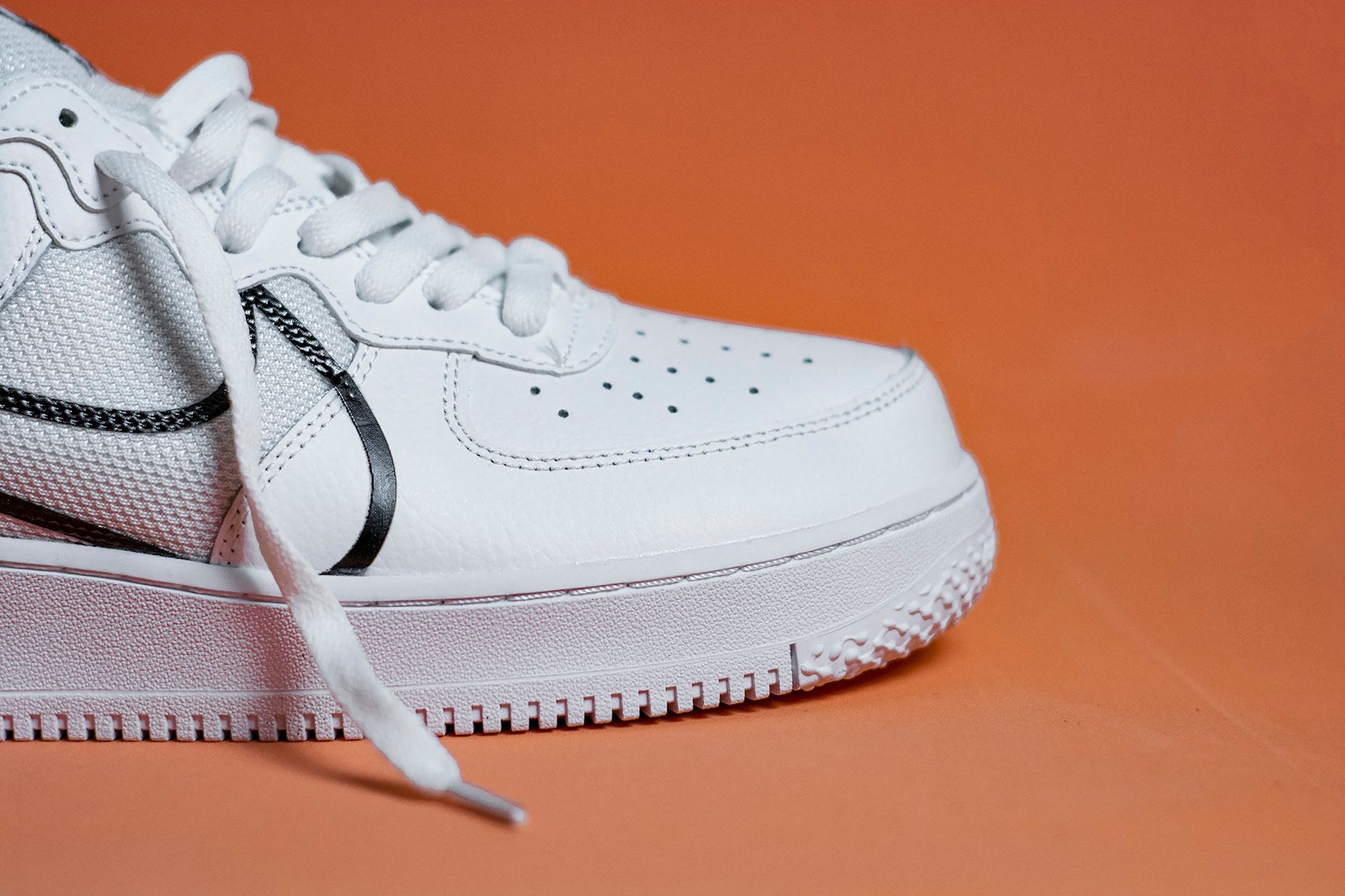
Photo by Gustavo Gimenez
The Target Audience for Athleisure
When crafting your logo, think about your target audience. Athleisure appeal spans various demographics. It's popular among young professionals, fitness enthusiasts, and even busy parents looking for comfort without compromising on style. Understanding their tastes and preferences will help you create a logo that resonates.
Why a Strong Logo Matters in Athleisure
A strong logo enhances brand recognition and cultivates consumer trust. It serves as a visual representation of your values and aesthetic. In the competitive athleisure marketplace, a logo that's memorable and communicates your style can make all the difference. Remember, a great logo becomes synonymous with quality and reliability in consumers' minds.
Steps to Create Your Athleisure Logo
Now that you're equipped with knowledge about the athleisure market, let’s break down the steps to create your logo.
Define Your Brand Identity
Start by understanding what your brand stands for. Are you committed to sustainability? Do you focus on luxury or affordability? Clarity in your brand identity will help you make informed decisions throughout the logo creation process.
- Ask Yourself: What message do I want to convey?
- Vision & Mission: Write down a few statements that reflect your brand's core values.
Research Your Competition
To stand out, you need insight into what others are doing. Analyze competitor logos to see what works and what doesn’t. Note their colors, styles, and any unique elements that catch your attention.
- Use Competitor Analysis: Look for patterns in successful logos while ensuring your design remains unique.
Choose the Right Logo Style
The style of your logo is crucial. For athleisure, clean and modern designs often work best. Here are a few styles to consider:
- Wordmark: Just the brand name in a stylish font. Simple and elegant.
- Lettermark: Initials or a monogram reflecting your brand's identity.
- Icon: A symbol that represents your brand distinctly, creating a powerful visual connection.
Select Colors and Fonts
Colors and typography play an essential role in conveying your brand message. Think about what feelings you want to evoke:
- Bold Colors: Energizing, confidence, and excitement.
- Soft Pastels: Calming and comforting.
Fonts should align with your brand’s personality. A sleek, modern line might resonate better with a contemporary athleisure brand compared to a playful, whimsical typeface.
- Tip: Use fonts that are easy to read at any size.
Utilize the Logo Maker Shop
After you’ve gathered all your ideas, it's time to bring them to life using a logo maker. The Logo Maker Shop offers user-friendly tools to design your logo without needing graphic design experience. Explore various templates and customize them to perfectly match your athleisure style.
Testing Your Logo Design
Creating your logo isn't just about the initial design; it’s also crucial to test it.
Gather Feedback from Your Target Audience
Once you have a few logo concepts, it's time to seek feedback. Share your designs with potential customers or friends within your target market. Gather reactions and reviews on what they find appealing.
- Methods: Use social media polls or focus groups to collect insights.
Make Iterations Based on Feedback
Take the feedback you receive and make necessary adjustments. Don’t be afraid to refine your designs or even go back to the drawing board. Remember, this logo will be the face of your brand, so it needs to resonate broadly.
Implementing Your Logo Across Platforms
Once you're satisfied with your logo, it’s time to showcase it to the world.
Utilizing Your Logo in Branding Materials
Your logo should appear on all your branding materials, including:
- Website: Ensure it’s prominent and displayed clearly.
- Packaging: Create custom labels that incorporate your logo for a professional look.
- Merchandise: Apparel, accessories, or any products should proudly display your logo.
Creating a Consistent Brand Image
Consistency in branding is key. Use your logo consistently in colors, layout, and design across all platforms—social media, emails, and marketing materials. This creates a unified look that reinforces your brand identity.
Final Thoughts on Creating Your Athleisure Logo
Creating a logo for your athleisure brand is an exciting journey that plays an integral role in establishing your identity. Think of it not just as a design, but as a reflection of your brand's essence and values. Embrace the process, iterate on your designs, and most importantly, let your logo evolve as your brand grows. With these steps, you're well on your way to crafting a logo that not only represents your athleisure style but also connects with your audience. Start this journey today, and watch your brand flourish!

Michael Harper is a Senior Content Strategist at MarketInsider.co, a premier source for insights on digital marketing and business trends. With over 15 years of expertise in content development and strategic communications, Michael is renowned for his ability to craft compelling narratives that resonate with diverse audiences. He holds a Bachelor’s degree in Journalism from New York University and a Master’s degree in Business Administration from Columbia Business School. Outside of work, Michael is passionate about historical literature and enjoys hiking the trails of the Pacific Northwest.