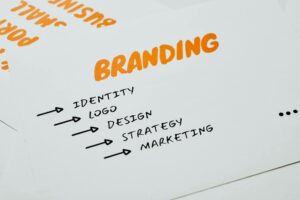
Creating a Logo for Your Arts and Crafts Style
In the vibrant world of arts and crafts, your logo serves as more than just a visual cue; it encapsulates your creativity and individuality, acting as a beacon that attracts customers. In this guide, you’ll discover how to create a logo that not only represents your unique artistic flavor but also resonates with your target audience. Let’s embark on this exciting journey of logo creation for your arts and crafts business!
Understanding Your Brand Identity
To start crafting the perfect logo, it’s essential to grasp what your brand stands for. Your brand identity reveals the core values, mission, and style that define you. Think of your logo as the first impression—the initial handshake—that introduces your business to the world.
Defining Your Unique Artistic Style
Take a moment to reflect on your artistic expression. What themes dominate your work? Is it whimsical, rustic, or modern? Maybe your art communicates a message or tells a story. Take time to write down keywords or phrases that describe your work. This will be the foundation of your logo design, reflecting your personality and artistic values.
Understanding Your Target Audience
Just as an artist considers their audience when creating a piece, understanding who will view your logo is key. Ask yourself, who are you trying to reach? Knowing your audience's preferences, values, and needs will guide your design choices. For example, a logo for a children’s crafts business might embody playfulness, while one for a professional artisan may exude sophistication.
Finding Inspiration for Your Logo
Inspiration is all around you if you know where to look. Don’t just stare at a blank canvas—explore your surroundings!
Exploring Nature and Artifacts
Nature is a treasure trove of inspiration. Consider incorporating elements from the outdoors into your logo. Whether it's the delicate curves of a leaf or the boldness of mountain peaks, natural motifs can enhance your brand's ethos. Similarly, look at artifacts that represent your craft, like tools and materials, which can give your logo authenticity.
 Photo by Magda Ehlers
Researching Competitor Logos
Take a closer look at logos of similar businesses. What seems to resonate with their audiences? What styles are prevalent? This isn't about copying but rather understanding the trends and ensuring your logo stands out. A great resource is checking out trending designs through platforms that showcase various arts and crafts.
Creating a Mood Board
A mood board can transform your ideas into a visual format. Collect colors, textures, images, and even typography that evoke feelings you want your logo to convey. This process will help clarify your vision and streamline your design choices.
Choosing Elements for Your Logo
Now that you've gathered inspiration, it’s time to choose your logo's key elements. Each part sends a message about your brand.
Selecting a Color Palette
Colors are more than mere decorations; they evoke emotions and can influence your audience's perception. For arts and crafts, consider a palette that reflects your artistic style—soft pastels for a delicate touch or vibrant hues for a bold statement. While selecting, think about color psychology: what emotions do you want your brand to evoke?
Fonts and Typography Choices
Typography is just as vital as your logo’s imagery. The font you choose can convey much about your brand's personality. For a playful vibe, consider handwritten or whimsical fonts. If you want sophistication, a clean sans-serif or serif might be more suitable. Always ensure the font is readable and complements the overall design.
Incorporating Symbols and Imagery
Symbols can tell your brand’s story in a single glance. Think about what imagery represents your craft. If you're a pottery artist, perhaps a stylized pottery wheel could be a subtle nod to your work. Using meaningful symbols helps to create a memorable logo.
Using Logo Maker Shop for Your Design
Getting your logo just right can feel overwhelming, but tools like the Logo Maker Shop make the process approachable and straightforward. This platform enables you to design a logo that fits your unique arts and crafts identity seamlessly.
How to Use Logo Maker Shop Effectively
- Start by exploring templates: Browse through their extensive library of logo templates. Find one that resonates with your vision and style.
- Customize your logo: Modify colors, fonts, and images to reflect your individual touch. The platform provides user-friendly tools that allow you to make adjustments easily.
- Visualize your designs: Use their mock-up features to see how your logo will look in real-world applications, like on business cards or crafts.
Refining and Finalizing Your Logo
Your logo is nearly complete but now comes the crucial feedback phase. Engaging with others can provide you with new insights and ideas.
Gathering Feedback from Peers
Share your draft logo with trusted friends, family, or fellow artisans. Ask for honest feedback. What resonates with them? What doesn’t? Gathering a range of opinions can help refine your concept and ensure it speaks to your target audience.
Making Final Adjustments
After receiving feedback, it’s time for final tweaks. This is where you polish your logo! Make adjustments for color consistency or font alignment to ensure a harmonious look.
Final Thoughts on Your Arts and Crafts Logo
Your logo is not just a pretty picture; it's a vital component of your branding strategy. By reflecting your arts and crafts style, it helps reinforce your business identity and engage your audience. As your business evolves, don’t hesitate to revisit and refine your logo. A strong logo adapts while still maintaining core elements that tether it to your brand’s identity.
Creating a logo for your arts and crafts business is an exciting journey that allows you to express your creativity uniquely. So grab your tools and let your artistic vision shine through your logo! Remember, it’s a reflection of you and your craft.

Michael Harper is a Senior Content Strategist at MarketInsider.co, a premier source for insights on digital marketing and business trends. With over 15 years of expertise in content development and strategic communications, Michael is renowned for his ability to craft compelling narratives that resonate with diverse audiences. He holds a Bachelor’s degree in Journalism from New York University and a Master’s degree in Business Administration from Columbia Business School. Outside of work, Michael is passionate about historical literature and enjoys hiking the trails of the Pacific Northwest.