How to Create a Logo for Your Aircraft Leasing Company
A compelling logo isn't just pretty; it's a cornerstone of your brand identity. A strong visual representation helps you stand out in a competitive aircraft leasing industry. It's a vital piece of the puzzle for attracting clients and projecting professionalism. This guide will walk you through creating a logo that accurately reflects your company's unique personality and values.
Understanding Your Brand Identity
What is your company's core message? What values do you prioritize? Answering these questions is crucial to designing a logo that resonates with your target audience. Aircraft leasing companies often emphasize reliability, efficiency, and expertise. Your logo should visually embody these attributes. Consider your company's mission statement, your core values, and your target market. These are the building blocks of your brand identity, and your logo will visually communicate this. This is where you set yourself apart from other aircraft leasing companies.
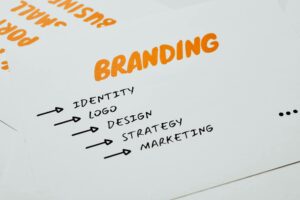
 Photo by Alexander Taranenko https://www.pexels.com/@alexander-taranenko-75706370
Researching Competitors' Logos
Taking a look at what other aircraft leasing companies are doing provides valuable insights. Analyze their logos and color schemes. What trends are emerging? What are the strong elements? What are the weaker elements? Don't copy, but learn. This competitive analysis will help you spot creative angles, and understand what works well and what doesn't in the aircraft leasing sector.
Exploring Logo Design Concepts
A logo is more than just an image. It's a visual representation of your company. Consider different concepts – simple, complex, abstract, or literal. Think about how the logo makes you feel and how well it communicates the personality of your business. A strong logo connects instantly with your target audience, fostering trust. For your aircraft leasing company, explore how symbols associated with aviation and reliability can be incorporated.
Creating Your Unique Logo
Creating a logo can feel daunting, but tools like Logo Maker Shop make it easier. Use pre-designed templates as a starting point and customize them to reflect your brand identity. Pay attention to the details – font choices, color combinations, and the overall impression. Your design should create a lasting first impression. Think about how your logo will translate to various applications, such as websites, business cards, and promotional materials.
Choosing the Right Design Style
Your logo should reflect your brand's personality. Do you want to project a classic or modern image? Do you prefer a minimalist style or something more complex? Explore different design styles to find one that aligns perfectly with your company. Consider what your ideal client looks for in a leasing company. What kind of aesthetic resonates with them? For example, if your company prioritizes innovation, consider a modern design. If you emphasize tradition, a classic design might be more suitable.
Testing Your Logo Design
Before finalizing your logo, get feedback. Share mockups with potential clients and collect honest feedback. This provides essential insights on how your design is perceived. Are there any aspects that need adjusting? Are there any elements that could resonate more effectively? The best logos are informed by feedback. The more input you collect the better informed you are in making the right choices.
Logo Design Essentials
Good logos are more than just pretty pictures; they communicate your brand's values and personality. Let's explore the elements that make a logo truly effective.
Color Palettes for Aircraft Leasing Logos
Colors evoke specific emotions and associations. A sophisticated color palette can build trust and professionalism. Using Logo Maker Shop, explore color palettes and test different combinations to find the ones that effectively showcase your company's attributes. Consider how your colors complement other marketing materials.
Typography in Aircraft Leasing Logo Design
Typography matters! The font you choose impacts the logo's overall personality. A professional and memorable font is essential. Your chosen font should complement your brand's aesthetic and resonate with your target audience. Ensure the font is legible at various sizes and in different contexts.
Imagery and Symbolism in Aircraft Leasing Logo Design
Does your logo need imagery or symbolism? Images can add an emotional connection to your brand. If you are in the aviation industry, consider using symbols that resonate with customers who are interested in this industry. For example, you might use a stylized airplane or a compass. Think about how this visual message connects to your brand. The more you incorporate the visual elements the better you can convey your intended message.
Using the Logo Maker Shop for Logo Creation
Logo Maker Shop is your one-stop shop for logo creation. Its tools and features allow you to create a professional and impactful logo easily. This service saves you time and money in finding the right logo. The options available are vast and the possibilities are unlimited.
Implementing Your Logo Design
Consistent logo use builds brand recognition. Implementing your logo across all marketing materials, from your website to business cards, is critical. This reinforces your brand's visual identity, creating a memorable impression. Maintain a consistent design and ensure it is easily recognizable across all applications.
Conclusion
A strong logo is essential for any aircraft leasing company. By understanding your brand identity, researching competitors, exploring concepts, and utilizing tools like Logo Maker Shop, you can create a logo that sets you apart. Consistent implementation of your logo reinforces your brand identity, leading to greater recognition and trust among clients. Implement the strategies discussed in this guide to effectively build your brand.

Michael Harper is a Senior Content Strategist at MarketInsider.co, a premier source for insights on digital marketing and business trends. With over 15 years of expertise in content development and strategic communications, Michael is renowned for his ability to craft compelling narratives that resonate with diverse audiences. He holds a Bachelor’s degree in Journalism from New York University and a Master’s degree in Business Administration from Columbia Business School. Outside of work, Michael is passionate about historical literature and enjoys hiking the trails of the Pacific Northwest.