Crafting a Powerful Logo for Your Air Ambulance Operations
Starting an air ambulance operation is a significant undertaking. A strong brand identity is crucial for success. A well-designed logo is often the first and most important visual representation of your company. It needs to communicate professionalism, trust, and speed. How can you design a powerful logo that reflects your unique mission and values? This guide will lead you through the process.
Understanding Your Brand Identity
Before diving into design, define your brand's core identity. This forms the bedrock for any successful logo. Consider these key elements:
- Target Audience: Who are you trying to reach? Are you catering to victims of accidents, hospitals, or the public at large? Understanding your target audience informs your brand personality.
- Mission and Values: What's the driving force behind your air ambulance service? Is it speed, compassion, or reliability? Your mission and values will shape the logo's visual language.
- Unique Selling Proposition (USP): What makes your air ambulance operation stand out from the competition? Is it advanced technology, experienced pilots, or a wide geographic coverage? This is your unique selling point, which the logo should clearly communicate.
These elements influence how your logo appears. The design should visually align with the values and mission of your air ambulance operation.
Logo Design Essentials for Air Ambulance Services
A compelling air ambulance logo conveys professionalism, trust, and reliability. Think about these qualities when you start creating your logo.
Logo Design Aesthetics:
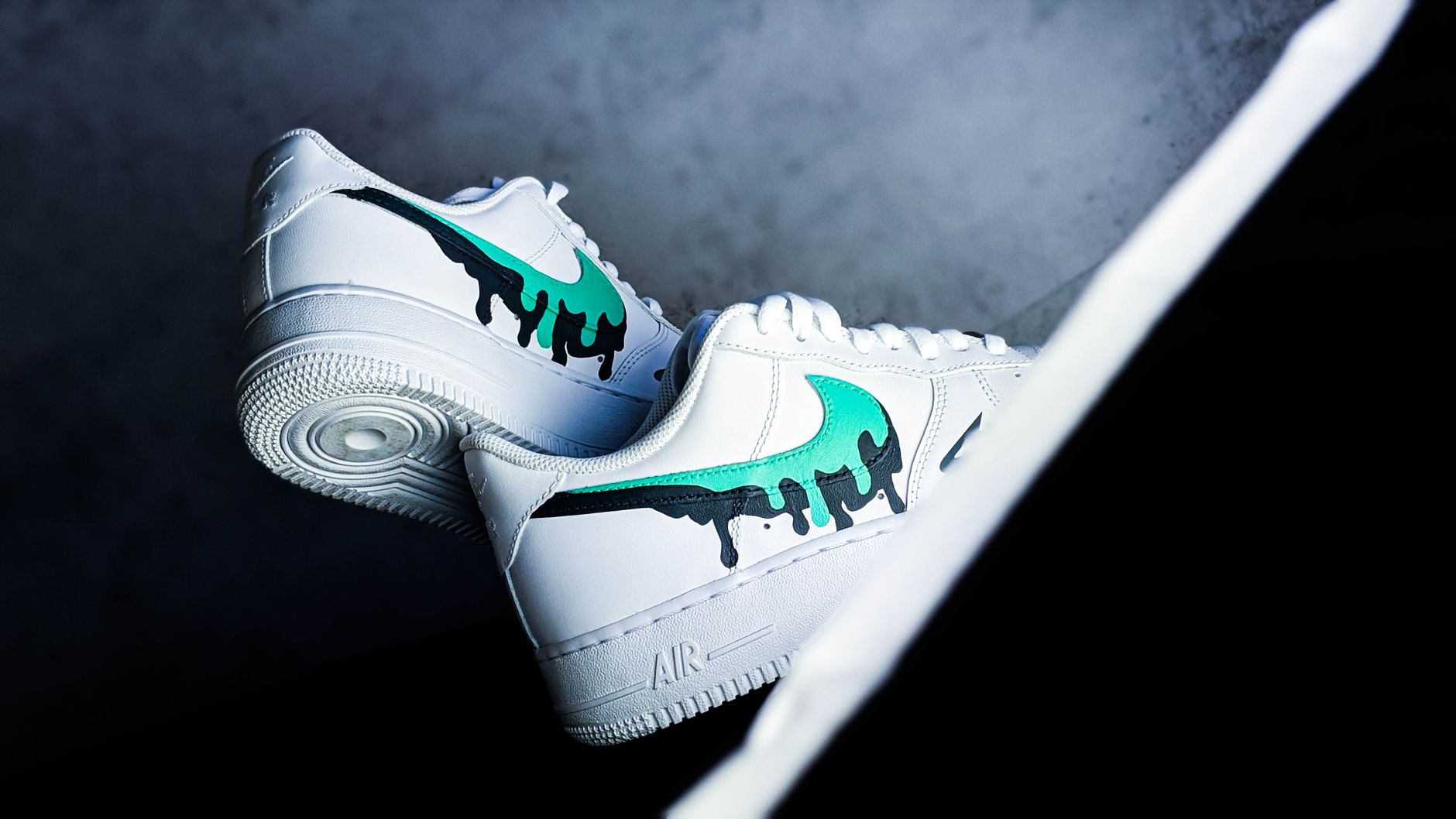 A good logo isn't just about aesthetics—it needs to convey trust and speed.Photo by Grailify
Consider using clean lines, simple shapes, and a clear, easy-to-read typeface. Avoid anything overly cluttered or complex. Focus on conveying professionalism and trustworthiness. This image should evoke a sense of calm, reliability, and speed.
Color palettes should reflect the industry's nature. A combination of blue and yellow can project trustworthiness and safety. Avoid anything jarring or distracting.
Typography should complement the logo's overall design. A modern, clean font is often suitable.
Creating a Memorable Logo Using Tools
The Logo Maker Shop provides tools to help you create a logo tailored to your air ambulance operation. These tools are designed for ease of use. Start by exploring the various features and tools available, experimenting with different elements.
Step-by-Step Logo Creation
- Choose Your Logo Style: What's the visual message you want to convey?
- Select Colors: Consider the impact of colors. Use tools to find palettes that reflect trust and reliability.
- Design Shapes: Simple shapes are often effective. Choose shapes that create a sense of speed and precision.
- Select Font: Use a typeface that is clear and readable.
- Combine Elements: Put together all elements in a way that harmonizes with the design style and theme.
Use the Logo Maker Shop’s intuitive design interface to navigate these steps.
Designing Your Logo in a Step-by-Step Guide
Creating a logo is a step-by-step process. Start by gathering your initial ideas and exploring options within the Logo Maker Shop.
Designing Your Logo
- Initial Concepts: Sketch out initial ideas.
- Refine Ideas: Experiment with different colors and fonts.
- Test Your Logo: Evaluate how your logo appears on various backgrounds and sizes.
The Logo Maker Shop's tools make this process easy. Try out different options before finalizing your design.
Choosing the Right Logo Colors and Typography
Color psychology and typography play a significant role. Choose colors that communicate trust, reliability, and speed.
Color Psychology in Logo Design
Blue, often associated with trust and stability, is a popular choice for air ambulance services. Yellow or red accents might convey urgency or speed.
Typography Choices
A clean and easily readable font is important for air ambulance logos. Consider a modern, sans-serif font for a clean and professional feel.
Ensuring Logo Versatility
A versatile logo is crucial for consistent branding. The Logo Maker Shop's tools facilitate creating multiple versions of your logo.
Logo Design Best Practices
These best practices help you create an impactful logo:
- Keep it Simple: A clear, simple design is more memorable.
- Maintain Consistency: Ensure the logo maintains the same look across all platforms.
- Consider Variations: Have options for different applications (e.g., website, letterheads).
- Focus on the Target Audience: Tailor the design to resonate with your specific audience.
These tips help you create a logo that represents your air ambulance operation accurately.
Testing and Refining Your Logo Design
Testing and gathering feedback are essential. Ask colleagues, friends, or potential customers for their opinions. The Logo Maker Shop provides resources for improving your design.
Refine Based on Feedback
Use feedback to modify and refine your design, ultimately creating a logo that resonates with your audience and business goals. The Logo Maker Shop's extensive resources can assist you.
Conclusion
Creating a logo for your air ambulance operation is an important step toward building a successful brand. This guide provides a framework for a well-structured logo design process, enabling you to design the perfect logo. This logo represents your brand and conveys the critical values of your operation. Use the Logo Maker Shop's easy-to-use tools to bring your vision to life. Begin the journey of creating a powerful and memorable logo for your air ambulance operation today!

Michael Harper is a Senior Content Strategist at MarketInsider.co, a premier source for insights on digital marketing and business trends. With over 15 years of expertise in content development and strategic communications, Michael is renowned for his ability to craft compelling narratives that resonate with diverse audiences. He holds a Bachelor’s degree in Journalism from New York University and a Master’s degree in Business Administration from Columbia Business School. Outside of work, Michael is passionate about historical literature and enjoys hiking the trails of the Pacific Northwest.