How to Create a Logo for My Own Affiliate Marketing Industry
In the vibrant world of affiliate marketing, establishing a recognizable brand identity starts with a well-crafted logo. Your logo isn't just a design; it’s a symbol that represents your values, connects with your audience, and sets the tone for your entire marketing strategy. Let's explore how you can create a logo that resonates with your audience and stands out in the competitive affiliate marketing space.
Understanding Your Brand Identity
Before jumping into the design process, it's crucial to take a step back and define your brand's core identity. This forms the foundation upon which your logo will be built.
Defining Your Core Values
Ask yourself: What does my brand stand for? Your core values should reflect the essence of your business. Are you focused on reliability, innovation, or community engagement? Recognizing these values will help shape your logo, guiding its design elements, colors, and overall feel. For instance, if sustainability is a key value, incorporating green hues or eco-friendly imagery can visually communicate your commitment.
Identifying Your Target Audience
Understanding your target audience is essential. Who are they? What are their preferences and expectations? For an affiliate marketing business, your logo should appeal directly to potential customers. A youthful audience may respond better to bold, vibrant designs, while a more professional audience might appreciate a sleek and refined look. Tailoring your logo to meet the tastes of your audience boosts its effectiveness.
Finding Inspiration for Your Logo Design
Once you've established your brand identity, it’s time to seek inspiration. This is where creativity flows, and ideas come to life.
Researching Competitors' Logos
Look at your competitors' logos for inspiration. What works well in your niche? Analyze the colors, shapes, and styles they use. This analysis can provide valuable insights into effective logo design, revealing what resonates with your shared audience. However, be careful not to copy; you want your logo to be distinct.
Exploring Design Trends
Stay updated on current design trends within the affiliate marketing industry. Trends change, and what was popular a few years ago might feel outdated today. Browse design blogs, websites, or social media platforms like Pinterest and Instagram to compile ideas and see what catches your eye.
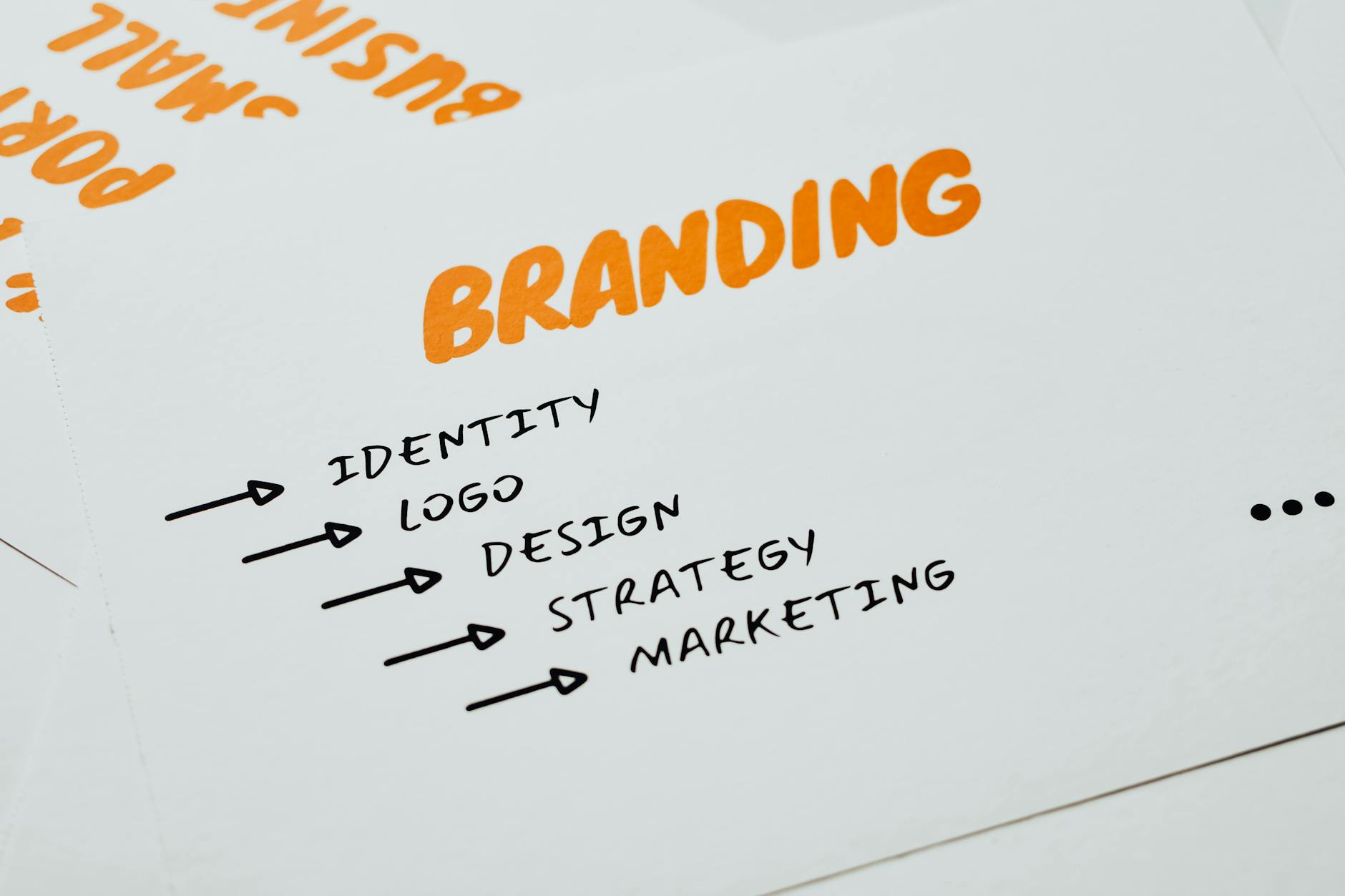 Photo by Eva Bronzini
Choosing the Right Logo Style
Now that you've gathered inspiration, you can decide on the style of your logo.
Types of Logos
There are several types of logos to choose from:
- Wordmarks: These logos use text to spell out your brand name. Good for brands with distinct names.
- Letterforms: These focus on initials, making them simple yet memorable.
- Symbols: A graphic is used without any text. Think of iconic brands like Apple or Twitter.
- Abstract Logos: These are geometric shapes that don’t directly represent anything but convey your brand values.
Selecting the type that aligns with your brand identity is crucial.
Selecting a Design Style
Identifying a design style that resonates with your brand’s personality helps maintain consistency. Whether you go for a modern, minimalistic, or vintage style, ensure it complements your brand's voice. If your affiliate marketing revolves around tech products, a sleek and modern logo could convey innovation.
Utilizing the Logo Maker Shop
Creating your logo can be simplified through platforms like the Logo Maker Shop.
Step-by-Step Logo Creation Process
The Logo Maker Shop offers an efficient way to create logos tailored to your specifications. Start by looking through designs that resonate with your gathered inspiration, making necessary adjustments to fit your brand. For detailed guidance on logo creation, check out How to Create Logos with Logo Maker Shop.
Customizing Your Logo Design
Using the Logo Maker Shop, you can customize your logo’s colors, styles, and typography easily. This flexibility allows you to play around with various elements, ensuring you craft a logo that reflects your brand identity.
Finalizing and Testing Your Logo
Once you've created your logo, it's time to fine-tune it and gather feedback.
Refining Your Design
Revisions are crucial. Don’t rush this stage. Get feedback from friends, family, or even potential customers. Their insights can help you spot areas for improvement that you might overlook.
Testing for Audience Appeal
After refining your logo, test it with your target audience. You can use surveys or feedback forms to gauge their reactions. Ask specific questions about their feelings towards your design. This testing phase ensures your logo resonates with your intended audience before it goes live.
Implementing Your Logo in Marketing Strategies
With your logo finalized, it’s time to integrate it into your marketing strategies.
Consistent Branding Across Platforms
Maintain consistent use of your logo across all channels. Whether it’s your website, social media, or promotional materials, a cohesive look builds recognition and trust.
Building Brand Recognition
A strong logo contributes significantly to brand recognition in the affiliate marketing space. The more customers see your logo, the more familiar they become with your brand. Utilize it in your email signatures, business cards, and online profiles.
Conclusion
Creating a logo for your affiliate marketing industry is an exciting journey that lays the groundwork for your brand identity. By understanding your brand’s core values, finding inspiration, selecting the right style, and utilizing tools provided by the Logo Maker Shop, you set yourself up for success. Don't forget to test your design with your audience before launching. So, roll up your sleeves and get started on crafting a logo that not only stands out but truly represents your brand!

Michael Harper is a Senior Content Strategist at MarketInsider.co, a premier source for insights on digital marketing and business trends. With over 15 years of expertise in content development and strategic communications, Michael is renowned for his ability to craft compelling narratives that resonate with diverse audiences. He holds a Bachelor’s degree in Journalism from New York University and a Master’s degree in Business Administration from Columbia Business School. Outside of work, Michael is passionate about historical literature and enjoys hiking the trails of the Pacific Northwest.