How to Create a Logo for My Own Aerospace Fuel Transport Industry
Creating a logo for your Aerospace Fuel Transport business is no small feat. It plays an essential role in establishing your brand identity, signaling trust, professionalism, and innovation to your audience. In an industry as specialized as aerospace fuel transport, a well-designed logo can set you apart from competitors and resonate with customers. So, let’s dive into how you can create an impactful logo that effectively represents your business.
Understanding Your Brand Identity
To craft a memorable logo, it's crucial to understand the essence of your brand identity in the aerospace fuel transport sector.
Defining Your Mission and Values
Start by articulating your company's mission and core values. What drives your business? Highlight aspects like efficiency, safety, and environmental responsibility. This focus not only helps in your logo design but also resonates with the aerospace industry's standards. For example, if your mission emphasizes eco-friendly practices, consider how you can incorporate that ethos into your logo.
Target Audience Analysis
Next, identify your target audience. Are they airlines, government agencies, or private sectors? Understanding this audience will guide your design decisions. Consider their expectations and what would resonate with them. A logo that reflects the sophisticated nature of the aviation industry can enhance your brand's appeal.
Competitor Insights
Take a closer look at your competitors. What logos do they use? Identifying common elements and unique offerings can inspire your design. Avoid mimicking competitors; instead, develop creative elements that distinguish your brand. Your logo should be a fresh take that emphasizes your unique selling points.
Designing Your Logo
Now, let's navigate the practical steps involved in designing a logo tailored for your business.
Choosing the Right Logo Maker
For a DIY approach, the Logo Maker Shop is an excellent option. This tool provides user-friendly features and various customizable templates perfect for the aerospace fuel transport industry. You can experiment with different styles without needing complex design software.
Incorporating Industry Elements
Consider integrating elements that reflect aviation and fuel transport. Think about symbols like fuel tanks, airplanes, or even stylized flight paths. These visuals can communicate your industry focus directly to your audience, making your logo more relatable.
Color and Font Selection
Color psychology plays a significant role in logo design. Blue and green shades often convey reliability and environmental consciousness—perfect for the aerospace industry. Choose fonts that are clean and modern, reflecting the precision of the sector while ensuring readability. A sans-serif font often works best for this purpose.
Exploring Logo Types
The type of logo you choose can significantly impact how your brand is perceived.
Wordmark Logos
A wordmark logo features your company's name in a unique typographic style. This can be effective if you've chosen a compelling name that reflects your values. For example, if you decide on a name like "AeroFuel Transport," showcasing it with a sleek typeface can enhance brand recognition.
Symbolic Logos
Alternatively, you can opt for a symbolic logo that uses imagery to convey your brand's essence. Consider using an aeroplane icon or a fuel droplet. Such symbols are not only eye-catching but also foster immediate recognition.
Combination Logos
Combining text and symbols can be a winning strategy. This dual approach provides clarity and visual interest. For instance, your logo may feature your brand name alongside a stylized aeroplane icon, making for a memorable design that communicates both your company's name and its purpose.
Testing Your Logo
Gathering feedback is crucial to perfecting your logo design.
Focus Groups and Surveys
Conduct focus groups or surveys with potential customers to gauge their reactions to your logo concepts. This feedback will provide insights into how well your design resonates with your target audience. Are they able to identify your company’s purpose immediately? What emotions does the logo evoke?
Iterative Design Process
Don’t hesitate to refine your design based on feedback. Iteration is vital in the design process. A strong logo evolves over time, so be prepared to make adjustments until you hit the perfect balance between aesthetics and function.
Finalizing Your Logo
Once you've designed your logo and tested it, there are some final steps to ensure it’s ready for launch.
File Formats and Usage
Logos need to be versatile, so ensure you have them in various file formats suitable for print and digital use. Common formats include PNG for web use and vector formats like SVG for scalability. This versatility ensures that your logo looks sharp in any setting.
Launching Your Brand Identity
When it comes to introducing your logo, create excitement. Consider a launch campaign that tells your audience about the meaning behind your design. Share the journey of how your logo came to be and what it represents. This narrative fosters a deeper connection between your audience and your brand.
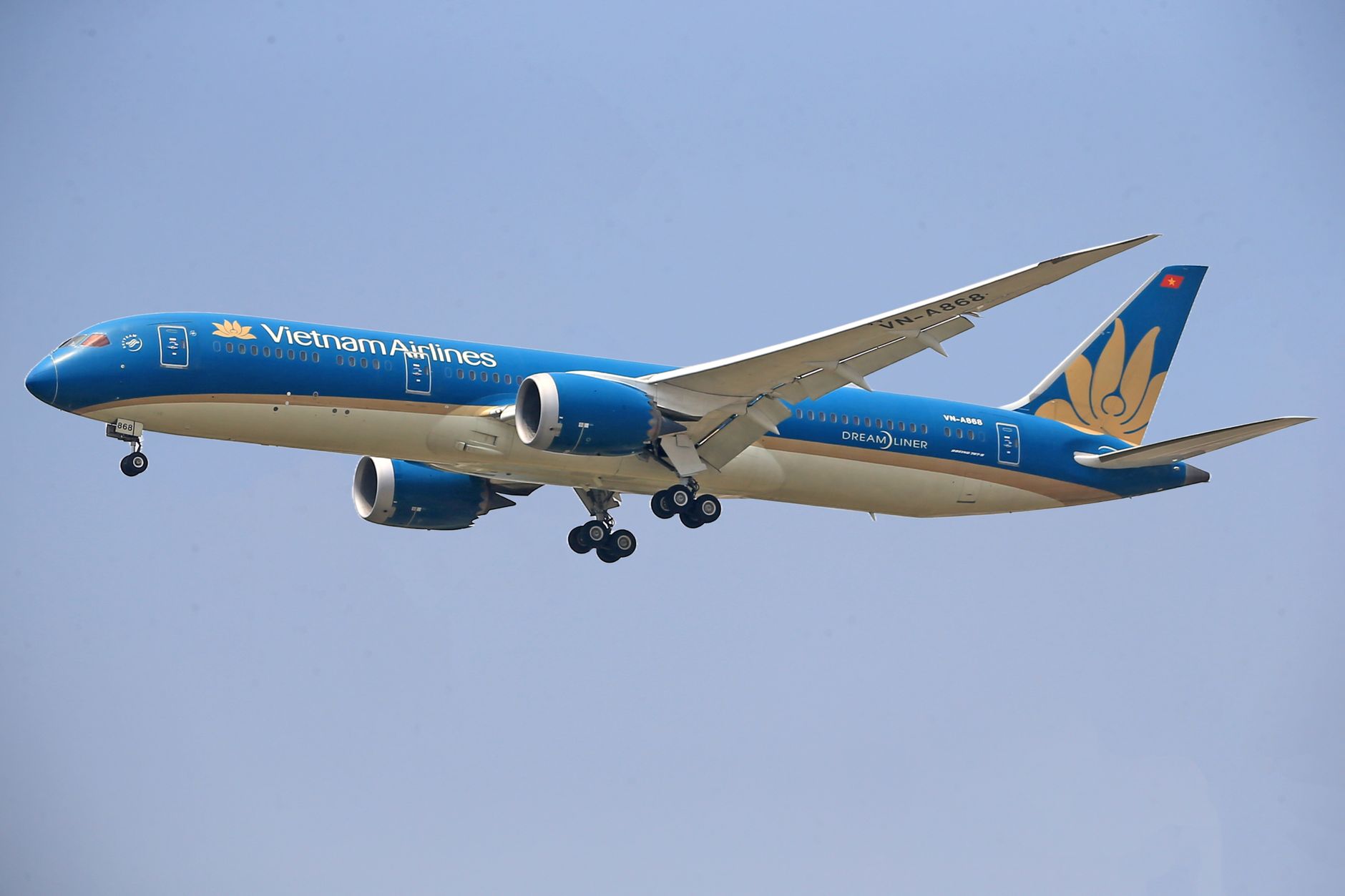
Photo by Jeffry Surianto
Conclusion
A strong logo in the Aerospace Fuel Transport Industry is not just a pretty design; it’s a vital asset that encapsulates your brand's identity. As you embark on this journey to create your logo, remember to be authentic and focused, ensuring that your brand values shine through. With the right tools and strategies, you'll turn your vision into an impactful logo that truly represents your business. So why wait? Start creating your logo today!

Michael Harper is a Senior Content Strategist at MarketInsider.co, a premier source for insights on digital marketing and business trends. With over 15 years of expertise in content development and strategic communications, Michael is renowned for his ability to craft compelling narratives that resonate with diverse audiences. He holds a Bachelor’s degree in Journalism from New York University and a Master’s degree in Business Administration from Columbia Business School. Outside of work, Michael is passionate about historical literature and enjoys hiking the trails of the Pacific Northwest.