How to Create a Logo for My Own Aerosol Deodorant Industry
Creating a logo for your aerosol deodorant brand is more than just crafting a visual. It’s about establishing a strong brand identity that resonates with your target audience. An effective logo can capture your brand's essence while setting you apart in a competitive market. In this guide, you’ll explore how to create a compelling logo that reflects the unique qualities of your business.
Understanding Your Brand Identity
Defining your brand identity is the first step in creating a logo that truly represents your aerosol deodorant brand. What makes your product special? What values do you want to convey? A well-defined brand identity will serve as the foundation for your logo design.
Identify Your Target Audience
Who are you trying to reach with your aerosol deodorant? Understanding your audience is key. Consider their age, gender, lifestyle, and preferences. Are your potential customers looking for eco-friendly options, long-lasting freshness, or trendy scents? Tailoring your logo to appeal directly to this demographic will make it more effective.
Define Brand Values and Mission
Your logo should reflect what your brand stands for. If your deodorant emphasizes natural ingredients, your design could feature earthy tones and organic shapes. Perhaps your mission is to provide affordable yet high-quality products. Communicating these values through your design will strengthen your brand connection with consumers.
Researching Competitors and Market Trends
Before you dive into the design process, take some time to study your competitors. Look at existing brands in the aerosol deodorant industry and analyze their logos. What works? What doesn’t?
Analyze Successful Brands
Brands like Old Spice and Dove have recognizable logos that effectively communicate their essence. Old Spice uses bold, masculine typography and vibrant colors, while Dove opts for soft, elegant designs. Understanding how successful logos leverage color, typography, and imagery can inspire your own design.
Identify Gaps in the Market
Consider what’s missing in the current market. Maybe there’s a lack of playful branding in eco-conscious deodorants. Identifying these gaps can help your logo stand out and attract attention.
Logo Design Essentials
When it comes to logo design, certain key elements are crucial for success. Let’s break them down.
Choosing a Logo Style
Logos can be classified into several styles, from wordmarks (think Coca-Cola) to symbols (like the Nike swoosh). For an aerosol deodorant, you might consider a combination mark that pairs your brand name with a unique symbol. This style can create a memorable and versatile logo.
Color Psychology in Logo Design
Colors evoke emotions, making them a powerful tool in branding. For instance, blue often represents trust and reliability, while green is associated with nature and health. Choose colors that resonate with your target audience while aligning with your brand's values.
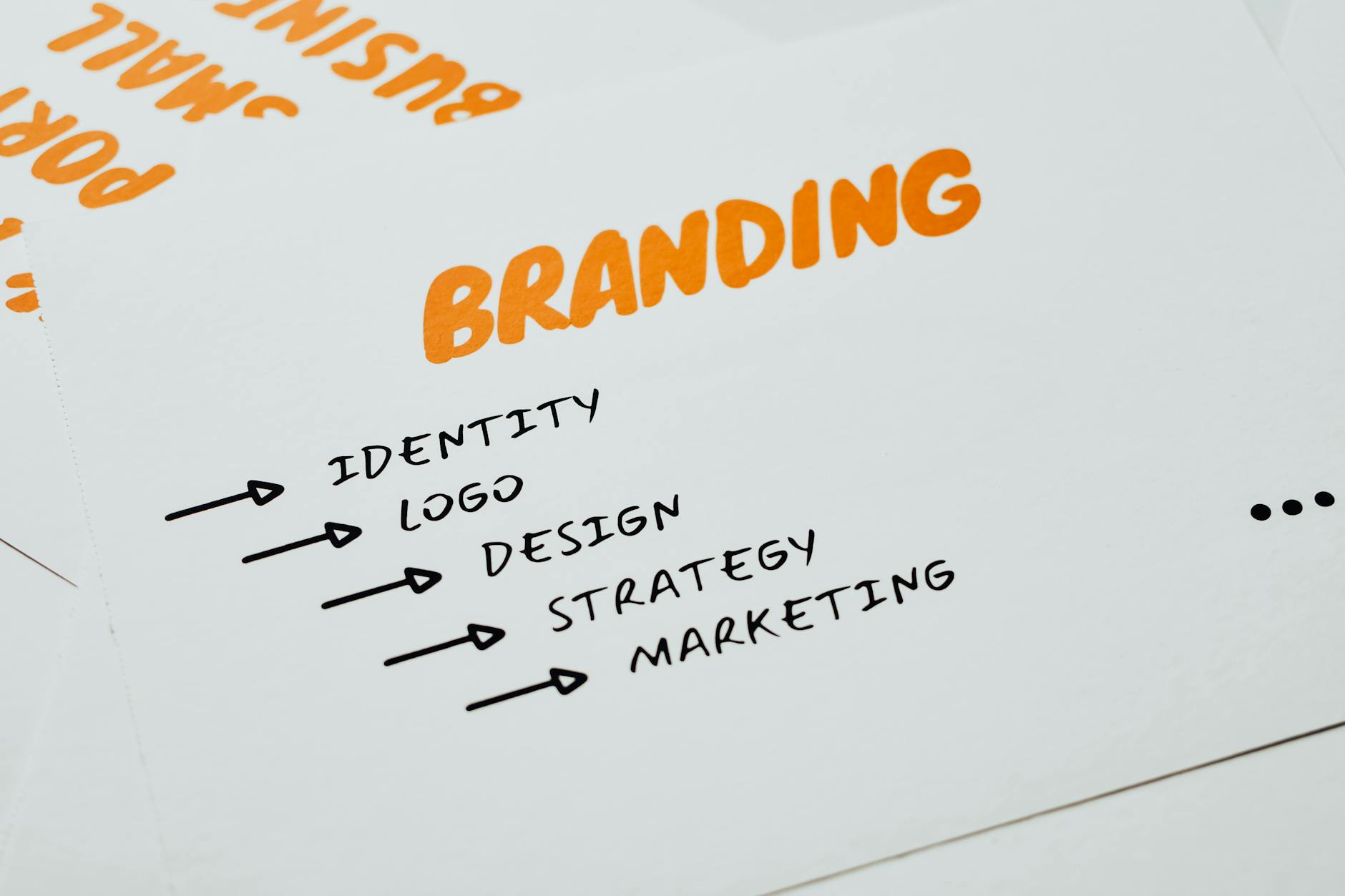
Photo by Eva Bronzini
Typography Choices
Your font selection is equally important. A clean, modern font may convey professionalism; a fun, whimsical font might appeal to a younger audience. Ensure that your typeface complements your logo style and communicates your message effectively.
Using the Logo Maker Shop to Create Your Logo
Designing your logo doesn’t have to be overwhelming. The Logo Maker Shop is an excellent resource that simplifies the process, allowing you to express your creativity without needing design skills.
Step-by-Step Logo Creation Process
Using the Logo Maker Shop is straightforward. Start by browsing their various templates designed specifically for different industries. Pick one that resonates with your concept, and then customize it to reflect your brand's personality.
Customizing Your Logo
Make your logo unique by adding specific icons that relate to your deodorant brand. Consider incorporating visuals that suggest freshness or style, such as leaves or sleek lines. Personalizing your logo will make it feel more authentic to your audience.
Testing and Finalizing Your Logo
Once you’ve created a draft of your logo, it’s essential to gather feedback before finalizing it. This step can save you from potential pitfalls and ensure your logo connects with your audience.
Gathering Feedback from Your Audience
Involving potential customers in the feedback process is vital. Share your logo with a select group of people who fit your target demographic. Ask them what feelings or thoughts your logo evokes—this will provide valuable insights that can help refine your design.
Making Final Adjustments
After gathering feedback, you may need to make tweaks to your logo design. This could be minor color changes, font adjustments, or even reworking the layout. It’s all about making sure your logo aligns with your brand message.
Putting Your Logo to Work
Now that your logo is complete, it’s time to incorporate it across various marketing channels.
Integrating Your Logo into Marketing Materials
Your logo should be a staple on all your packaging, advertisements, and digital platforms. Consistency is key to building brand recognition. The more your audience sees your logo, the more familiar and trustworthy it becomes.
Protecting Your Logo Legally
Finally, consider trademarking your logo. This legal protection ensures your brand identity is safeguarded against imitation or unauthorized use. It’s a crucial step to securing your business’s future.
Conclusion
Creating a logo for your aerosol deodorant business is an exciting journey that sets the stage for your brand's identity. By understanding your audience, researching competitors, and leveraging the powerful tools available through the Logo Maker Shop, you can design an impactful logo. Start your logo design journey with confidence, and watch your aerosol deodorant brand take off!

Michael Harper is a Senior Content Strategist at MarketInsider.co, a premier source for insights on digital marketing and business trends. With over 15 years of expertise in content development and strategic communications, Michael is renowned for his ability to craft compelling narratives that resonate with diverse audiences. He holds a Bachelor’s degree in Journalism from New York University and a Master’s degree in Business Administration from Columbia Business School. Outside of work, Michael is passionate about historical literature and enjoys hiking the trails of the Pacific Northwest.