How to Create a Logo for My Own Activated Charcoal Industry
Creating a logo isn’t just a creative task; it’s a pivotal step in shaping your brand identity in the activated charcoal market. An impactful logo can set you apart, enhance recognition, and communicate your brand's values. This guide will empower you to design a logo yourself, facilitating a personal touch that resonates with your audience.
Understanding Your Brand Identity
Defining Your Unique Value Proposition
To stand out in the competitive activated charcoal industry, you must articulate what makes your products unique. Do you prioritize natural sourcing, environmental sustainability, or innovative applications of activated charcoal? Pinpoint these aspects as your Unique Value Proposition (UVP). This clarity will guide every decision in your logo design process.
Imagine your logo as a story—what specific chapters does your activated charcoal product tell through its imagery and colors?
Target Audience Analysis
Understanding your audience is crucial. Are they eco-conscious customers seeking natural wellness solutions, or beauty enthusiasts looking for skin care products? Tailoring your logo design to resonate with their preferences will help you establish an emotional connection. Consider their lifestyle, values, and what draws them to activated charcoal products. This understanding will shape choices like imagery, colors, and even fonts.
Exploring Logo Design Elements
Choosing Colors Wisely
Colors speak volumes. In the activated charcoal industry, earthy tones like deep grays, charcoal blacks, and soft browns can evoke feelings of naturalness and authenticity. Research shows that colors can trigger emotional responses—charcoal suggests minimalism, strength, and organic purity.
Consider a rustic palette that mirrors the essence of what activated charcoal represents. It’s not just about aesthetics; it’s about conveying a message through color.
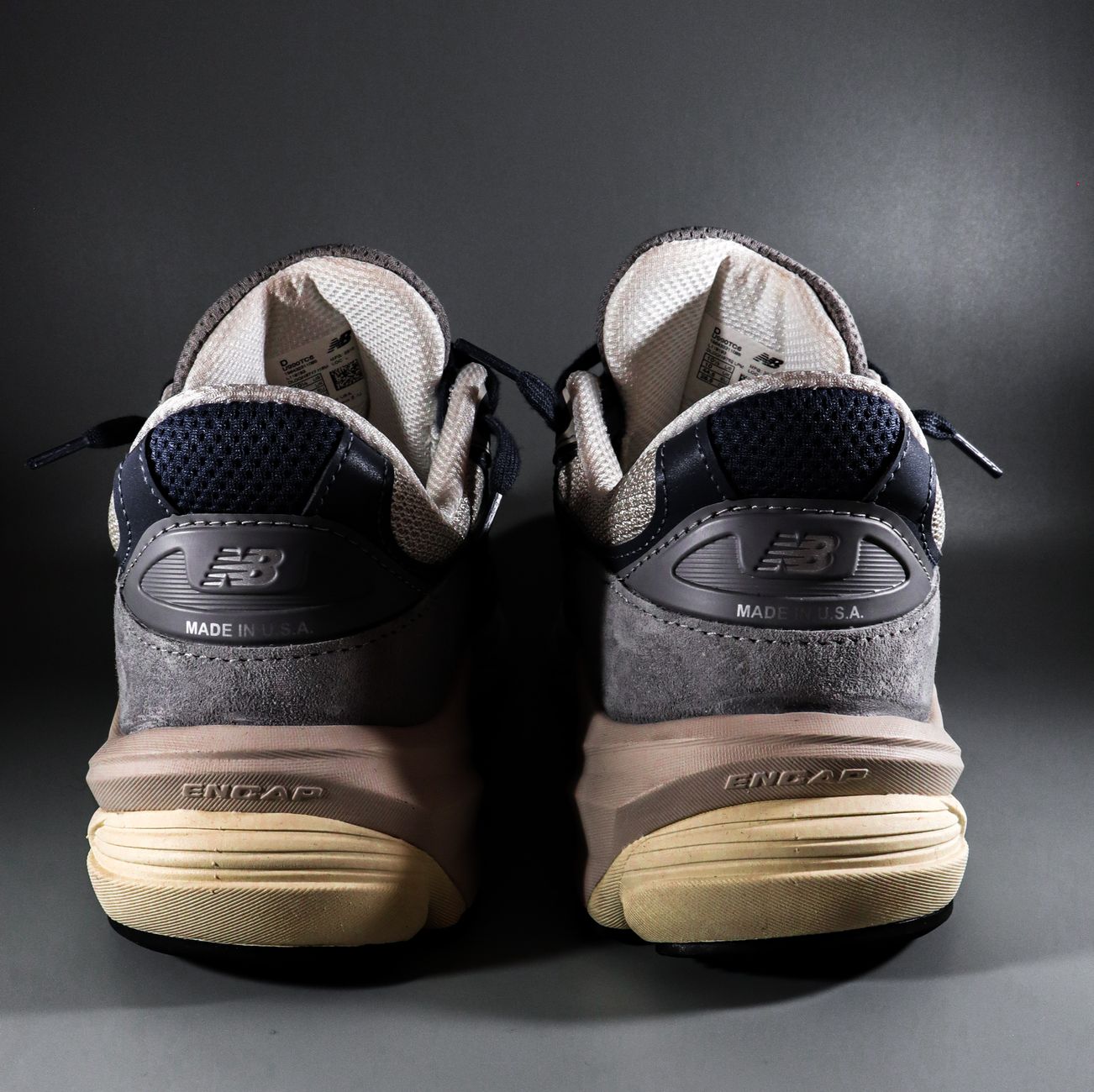
Photo by Terrance Barksdale
Selecting Appropriate Fonts
Fonts have personalities. A sleek sans serif can denote modernity, while a handwritten font can suggest approachability. Choose a font that reflects your brand’s ethos. For example, a bold font might convey strength and durability, suitable for a brand rooted in natural wellness.
Think of your font as the voice of your brand—what tone do you want it to project?
Imagery and Symbols
Imagery can elevate your logo. In the activated charcoal space, symbols that resonate with nature, health, and sustainability are fitting. Consider incorporating elements like leaves, a charcoal filter, or abstract representations of purity and wellness. Aligning these symbols with your brand message can create a deeper connection with your audience.
Using the Logo Maker Shop
The Logo Maker Shop is your gateway to designing a compelling logo effortlessly. This intuitive platform gives you the tools to create a professional logo that reflects your brand’s identity without needing extensive design experience.
Step-by-Step Logo Creation Guide
Creating your logo with the Logo Maker Shop can be exciting and straightforward. Follow these steps:
- Visit the Logo Maker Shop: Go to Logo Maker Shop.
- Start Your Design: Choose a template or start from scratch.
- Customize Your Logo: Adjust colors, fonts, and symbols to fit your activated charcoal theme.
- Download and Refine: Once satisfied, you can download your logo in various formats.
For a more in-depth guide on creating logos, check out How to Create Logos with Logo Maker Shop.
Customization Options for Your Logo
The Logo Maker Shop empowers you to experiment with different styles. Want a rustic feel with earthy tones? Easily adjust your color palette. Prefer a modern twist? Play with fonts and icon styles. The ability to modify aspects helps ensure your logo embodies your brand's spirit effectively.
Finalizing Your Logo Design
Gathering Feedback
Before putting your logo into action, gather feedback from trusted peers or potential customers. It’s helpful to hear different perspectives. What feelings does the logo evoke? Is it attractive? Validating your design with fresh eyes can reveal insights you might miss.
Making Revisions
Using the feedback, make revisions as necessary. Common revisions might include color adjustments or font changes based on how well they resonate with others. Your logo should be compelling to you and appealing to your target audience.
Preparing for Use Across Platforms
Ensure your logo looks good everywhere. It should be adaptable for your website, business cards, and product packaging. Test how it appears in different sizes and formats to confirm it maintains clarity and impact across platforms.
Launching Your Brand Identity
Once your logo is ready, integrate it into your overall branding strategy. It’s time to launch!
Promoting Your New Logo
Announce your new logo through various marketing channels—social media, newsletters, and your website. Share the story behind your logo and what it represents. Engaging your audience with the narrative of your branding can foster a deeper connection.
Consistency Across Channels
Consistency is key. Use your logo uniformly across all platforms to cultivate recognition and trust. It builds a cohesive brand identity that audiences can rely on, fostering loyalty over time.
Bringing Your Activated Charcoal Logo to Life
A well-crafted logo has the potential to shape perceptions and drive market success. By thoughtfully designing your logo, you’re not just creating a visual symbol—you’re establishing a brand that resonates with your target audience and stands out in the activated charcoal industry. Embrace this journey, and let your logo reflect the values and benefits of your products. Your future customers are waiting to connect with you through your brand identity.

Michael Harper is a Senior Content Strategist at MarketInsider.co, a premier source for insights on digital marketing and business trends. With over 15 years of expertise in content development and strategic communications, Michael is renowned for his ability to craft compelling narratives that resonate with diverse audiences. He holds a Bachelor’s degree in Journalism from New York University and a Master’s degree in Business Administration from Columbia Business School. Outside of work, Michael is passionate about historical literature and enjoys hiking the trails of the Pacific Northwest.