Securing Clients for Your Produce Wholesaling Business: A Roadmap to Success
Attracting clients in the produce wholesaling business takes more than just great produce. It's about building relationships, understanding your market, and consistently delivering exceptional service. This guide will show you how to get clients and set your produce business up for long-term success.
Understanding Your Target Customer
Who are you trying to reach? Knowing your target customer is crucial. Think about the specific types of businesses you want to sell to. Are you aiming for restaurants? Grocery stores? Farmers' markets? Understanding their needs, purchasing habits, and communication preferences will help you tailor your marketing efforts to resonate most effectively. A wholesale produce supplier serving local farmers' markets might have a different approach than one focusing on major grocery chains. Their needs and communication styles will differ greatly. Think about their day-to-day operations. What are the daily pressures on your ideal customer? What would help them run their business more smoothly?
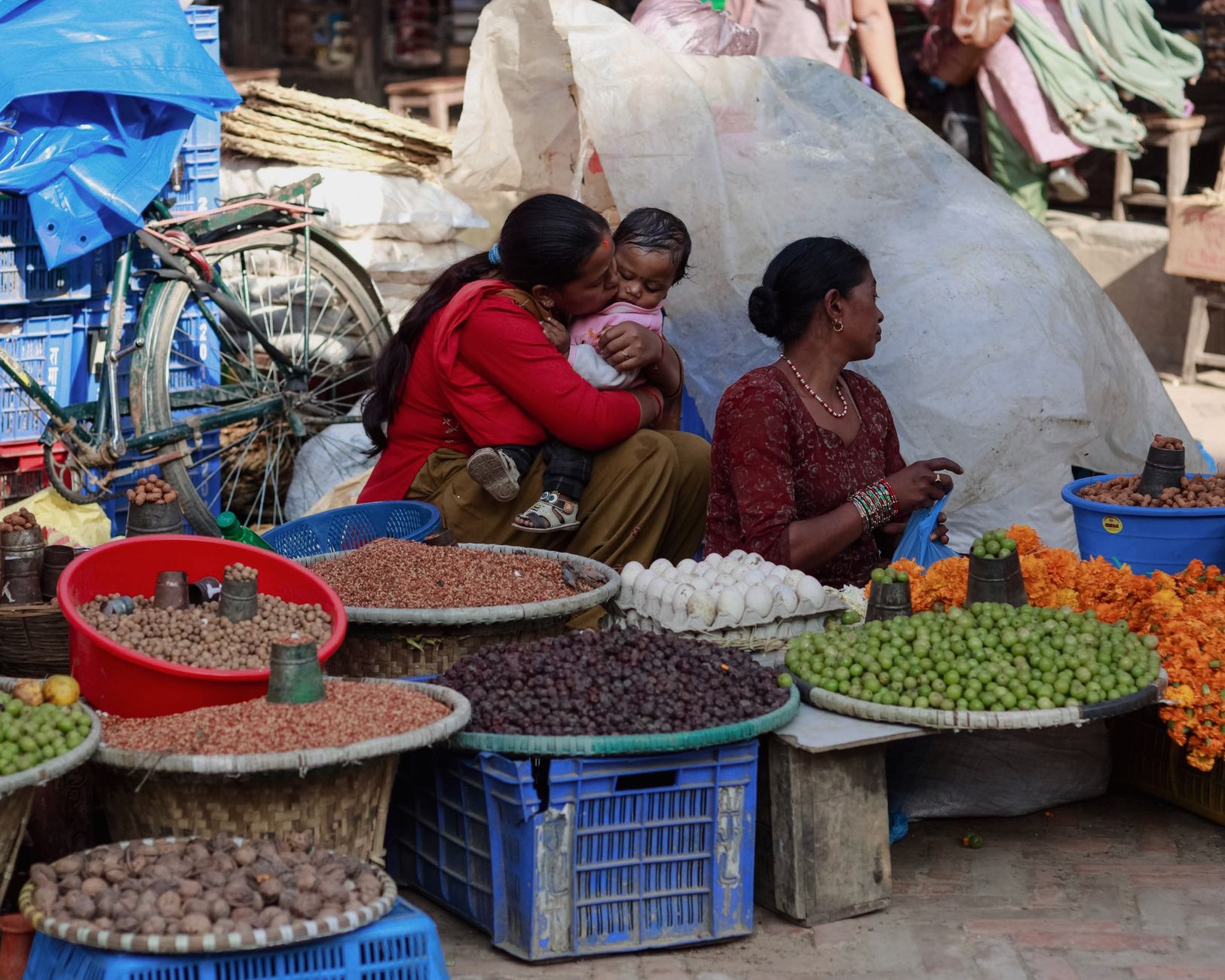 Photo by Mehmet Turgut Kirkgoz [https://www.pexels.com/@tkirkgoz]
Different wholesale produce businesses might have distinct target markets. One might focus on organic produce to cater to health-conscious restaurants. Another might specialize in bulk produce to meet the needs of large grocery stores looking to minimize costs.
Building a Compelling Brand Identity
A strong brand identity is key to setting you apart in a competitive market. A memorable logo and marketing materials create a first impression that sticks. Develop a brand style guide. This guide outlines the specifics of your brand, including logo usage, color palettes, font choices, and overall tone. Consistency in your visuals is critical. Make sure your logo and brand colors are displayed on everything from your business cards to your delivery trucks.
Crafting a Winning Marketing Strategy
This is where you actively connect with your ideal customer.
-
Targeted Advertising: Run ads on social media platforms that your target customers use. Consider specialized industry publications, and pay-per-click ads targeting relevant keywords. A detailed understanding of your target market is vital here.
-
Content Marketing: Offer valuable content to attract and educate potential customers. Produce engaging blog posts on current produce market trends, tips for store displays, or articles on the best ways to utilize various produce types. Hosting educational videos showing how to prep specific produce, or offering recipes featuring your produce will generate interest and create an impression. This establishes you as a knowledgeable source for produce businesses.
-
Networking: Attend industry events and trade shows. Engage in conversations with other industry professionals. Farmers' markets are great places to meet local business owners and learn about their needs. Networking builds relationships and generates leads. Bring samples of your produce to showcase quality.
-
Public Relations: If a local chef has used your produce for a special event, consider issuing a press release or seeking media coverage. This creates visibility and credibility, leading to more clients.
Establishing Effective Client Communication
Excellent communication is the backbone of strong relationships.
-
Clear and Concise Communication: Establish expectations for communication from the very beginning. Respond to inquiries in a timely manner.
-
Managing Client Expectations: Be upfront and honest about delivery times and order fulfillment. Meet those expectations reliably to foster trust.
-
Prompt Responses: Instant responses are paramount, especially for urgent orders. Use a reliable and organized customer relationship management (CRM) system. A CRM helps manage communications and maintain detailed information about your clients.
Building Trust and Relationships
Building trust involves consistency and reliability.
-
Excellent Customer Service: Always strive to satisfy your clients' needs promptly and courteously. Respond quickly to questions and resolve problems efficiently.
-
Reliable Deliveries: Deliver produce promptly and in perfect condition. Consistency in quality and delivery reliability is vital.
-
Fair Pricing: Offer competitive pricing and maintain a good reputation. Value your clients by offering fair deals.
-
Quality Produce: Your produce quality speaks volumes. Always make sure produce is fresh, in top condition, and meets agreed-upon standards.
-
Gathering Feedback: Don't hesitate to ask for feedback from your clients. This will help you improve and understand their preferences.
Optimizing for Online Success
Your website and online presence can significantly impact your success.
-
User-Friendly Website: Make sure your website is easily navigable and looks professional. A website showing off your produce in an appealing way will help potential clients learn more about your company.
-
SEO Optimization: Optimize your website for relevant keywords and search terms to improve visibility in online searches. Your website will be your first point of contact with many potential customers.
-
E-Commerce Capabilities: Consider adding e-commerce options to streamline online ordering. This gives potential customers a straightforward way to order.
Maintaining Financial Records
Maintaining accurate financial records is essential for your produce business.
-
Clear Invoicing Systems: Establish transparent invoicing procedures. Using an accounting software or invoicing system will help streamline your business and provide helpful data on your revenue.
-
Significance of Financial Record-Keeping: Accurate financial records allow you to manage costs, track profits, and stay compliant with regulations. Record-keeping is vital for both accounting purposes and legal ones.
Adapting to Market Trends
Staying ahead involves understanding market trends.
-
Consumer Preferences: Understand the changing preferences of consumers. This may mean offering specialized or unique produce or adjusting your product lines.
-
Technological Advancements: Embrace technology to improve efficiency, reduce costs, and maintain competitiveness.
-
Economic Conditions: Monitor the economy. Fluctuations in the market may impact demand for your produce or your ability to offer special discounts.
Conclusion
Success in produce wholesaling relies on a combination of strategies. Building trust, establishing clear communications, understanding your customer, and adapting to market trends are critical. Implement the strategies outlined here to attract clients and create a thriving business. Remember to stay connected with your market, stay consistent, and build strong relationships.

Michael Harper is a Senior Content Strategist at MarketInsider.co, a premier source for insights on digital marketing and business trends. With over 15 years of expertise in content development and strategic communications, Michael is renowned for his ability to craft compelling narratives that resonate with diverse audiences. He holds a Bachelor’s degree in Journalism from New York University and a Master’s degree in Business Administration from Columbia Business School. Outside of work, Michael is passionate about historical literature and enjoys hiking the trails of the Pacific Northwest.