How to Attract Clients to Your Living History Museum
Living history museums offer a unique and engaging way to connect with the past. But attracting clients can be tricky. This post provides actionable steps to get your museum off the ground. It covers everything from understanding your ideal clients to creating a winning marketing strategy. Let's dive in!
Understanding Your Target Audience
Who are you trying to reach? Think about their demographics, interests, and what they're looking for in a living history experience. Are you targeting families, students, history buffs, or tourists? Knowing your target audience is key to crafting effective marketing campaigns.
For example, a museum focused on 1920s fashion might target young adults interested in vintage styles, while a museum highlighting local history might appeal to families interested in their community’s heritage.
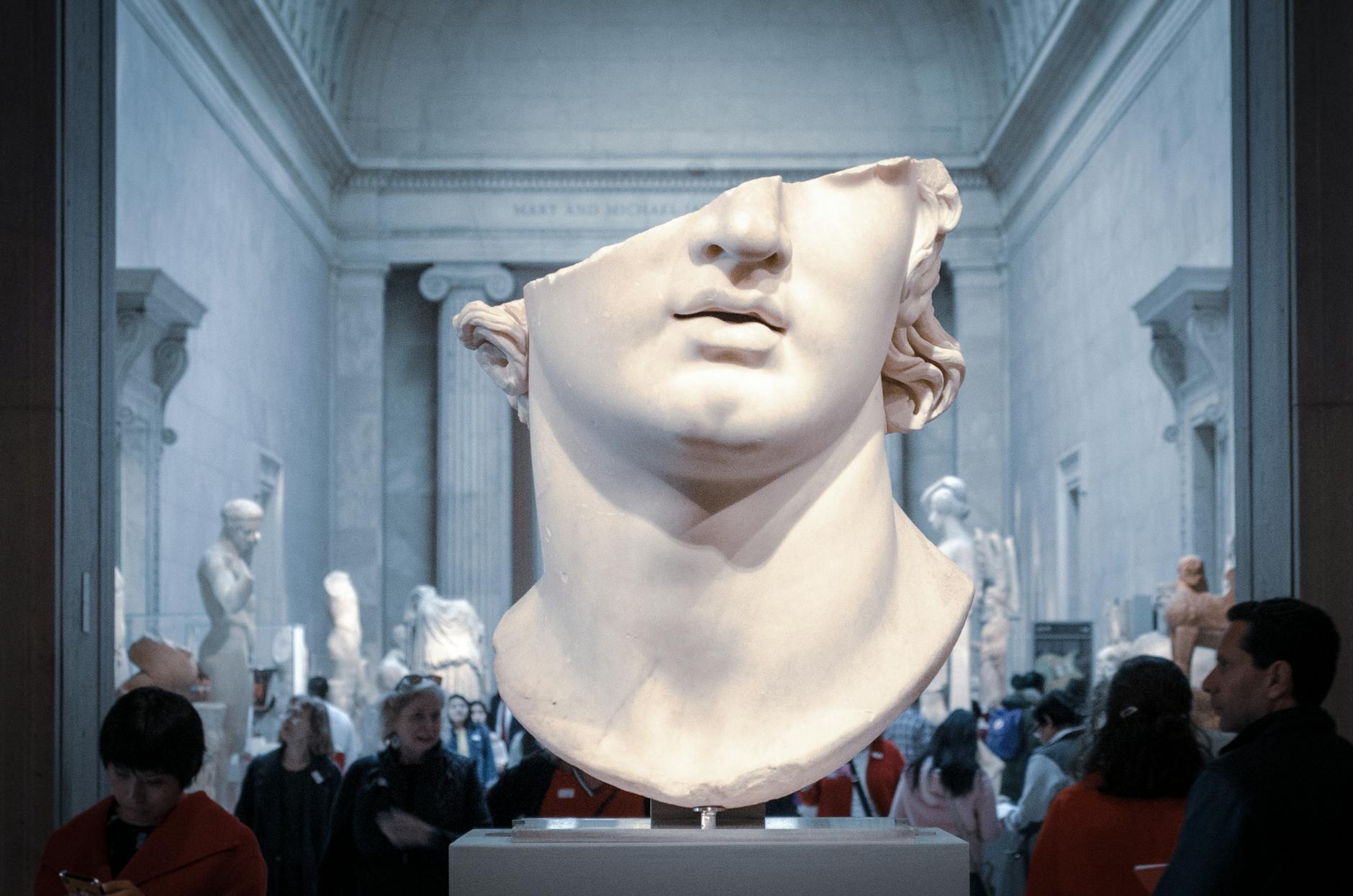
Photo by Jose Antonio Gallego Vázquez [https://www.pexels.com/@joseantoniogallego]
Successful campaigns tailor messaging to the specific needs and interests of their target groups. By understanding their motivations and pain points, you can design experiences that resonate with them.
Crafting a Compelling Brand Identity
A strong brand identity is crucial for a living history museum. It's what makes your museum memorable and recognizable. This includes your logo, color palette, and overall brand voice.
Consider visual elements like a logo design and color scheme. Think about colors that evoke the period or theme of your museum, for example, rich reds and golds for the Victorian era.
A clear brand voice is essential too. Your museum's language should reflect the era and capture its essence. Is it formal, informal, or something else? A museum on the American frontier might use more rustic and conversational language.
Effective Marketing Strategies for Living History Museums
Marketing is about connecting with your audience. Use both digital and traditional strategies for a well-rounded approach.
Digital Marketing Strategies
Use digital platforms to reach potential clients.
-
Social media marketing: Share engaging content on platforms like Facebook, Instagram, and TikTok. Show behind-the-scenes looks at your museum's preparation for events and features.
-
Website content: Create detailed website pages with clear descriptions of your exhibits and activities.
-
Search engine optimization (SEO): Optimize your website to rank higher in search results. Use keywords like “living history museum,” "historical reenactments," or "local history" in your descriptions.
-
Email marketing: Build an email list to send out newsletters and promotions to those interested in learning more.
-
Paid advertising (PPC): Use Google Ads or social media ads to target your desired audience. These can be highly effective.
Traditional Marketing Strategies
Don’t underestimate the power of traditional methods!
-
Local partnerships: Partner with local businesses, schools, and tourism organizations.
-
Community events: Sponsor or participate in local events and festivals to showcase your museum.
-
Collaborations with schools and tourist organizations: Offer educational programs and packages to enhance engagement.
-
Brochures and posters: Create informative brochures with details about exhibits, and use posters at relevant locations.
-
Local newspaper ads: Use local publications to reach a targeted audience.
-
Direct mail campaigns: Send postcards, letters, or flyers to residents in your community.
Monitor the effectiveness of these methods. Use analytics to track engagement and measure return on investment.
Building Relationships with Potential Clients
Building relationships is more than marketing—it's about fostering trust.
Engage with prospective clients through guided tours, workshops, or networking events. Create a strong online presence that fosters interactions.
Real-life examples of successful museum-client relationships are valuable. Often, museums form strong connections with potential clients by building personal relationships, whether through social media interactions, email outreach, or phone calls.
Securing Funding for Your Living History Museum
Funding is essential. Explore various avenues:
-
Grants: Look for grants tailored to historical organizations or educational projects.
-
Donations: Actively solicit donations from individuals and businesses.
-
Sponsorships: Find companies that share your values and would benefit from the exposure.
-
Fundraising campaigns: Design campaigns that are informative and appealing to your target audience.
Thorough planning and effective communication will dramatically increase your chances of securing necessary funding.
Developing a Comprehensive Marketing Plan
Create a structured marketing plan. It should cover essential aspects.
-
Target audience analysis: Identify your ideal customers and their needs.
-
Marketing budget: Determine how much you can invest in marketing activities.
-
Timeline: Establish milestones and deadlines for achieving your marketing goals.
-
Key performance indicators (KPIs): Track key metrics such as website traffic and social media engagement to monitor progress.
-
Success metrics: Measure success in terms of new admissions, funding secured, or participation levels.
Consider using sample marketing plan templates for guidance.
Monitoring and Measuring Success
Continuously monitor your marketing efforts. Use analytics to track and evaluate your marketing efforts' effectiveness. What’s working well? What needs improvement?
Adjust your strategies based on data insights to ensure your marketing is optimized for results. Adapt your strategy accordingly to keep up with trends.
Conclusion
Attracting clients to a living history museum demands a strategic approach. Focus on understanding your target audience, creating a strong brand, and deploying effective marketing strategies. Building genuine relationships and securing funding are also critical to success. A well-defined marketing plan and consistent monitoring are essential for ensuring you achieve your objectives and maintain a thriving business. Start implementing these strategies today to build your business and reach your clients.

Michael Harper is a Senior Content Strategist at MarketInsider.co, a premier source for insights on digital marketing and business trends. With over 15 years of expertise in content development and strategic communications, Michael is renowned for his ability to craft compelling narratives that resonate with diverse audiences. He holds a Bachelor’s degree in Journalism from New York University and a Master’s degree in Business Administration from Columbia Business School. Outside of work, Michael is passionate about historical literature and enjoys hiking the trails of the Pacific Northwest.