Technical Resume Writing Industry Logo Design Ideas
In the competitive landscape of the technical resume writing industry, a compelling logo can set you apart. Your logo serves not just as a brand marker but as a visual narrative of your professional identity. It conveys trust, creativity, and authority. Let’s explore how effective logo design can impact branding within this niche.
Understanding the Technical Resume Writing Industry
The realm of technical resume writing is distinct and demanding. It involves creating resumes that effectively communicate complex technical skills and experiences in a digestible format. Here, understanding the audience is vital. Job seekers in tech fields often look for professionalism, clarity, and industry relevance in their resumes.
Key Characteristics of Effective Logos
When designing a logo for a technical resume writing service, simplicity, professionalism, and relevance should be your guiding principles. A simple logo is easily recognizable and memorable. It should reflect a sense of professionalism that resonates with technical job seekers. Lastly, ensure that your logo maintains relevance to the tech industry, perhaps by using imagery or color schemes associated with technology.
Importance of Branding in Resume Writing
Branding in the resume writing industry isn't just a nice-to-have; it's essential. A strong logo enhances your brand identity and credibility. It gives potential clients a sense of security that they are dealing with an expert. Your logo should encapsulate your mission—helping clients land their dream technical roles. With a well-designed logo, your brand becomes a visual shorthand for quality and expertise.
Logo Design Principles for the Technical Resume Writing Industry
Creating a logo involves several foundational design principles that guide the process of logo creation.
Color Psychology in Logo Design
Colors convey messages and emotions. For instance, blue often signifies trust and professionalism, making it a popular choice for the tech industry. Green can represent growth and innovation, ideal for companies helping clients navigate their careers. Choosing the right color palette that resonates with your brand can elevate your logo significantly.
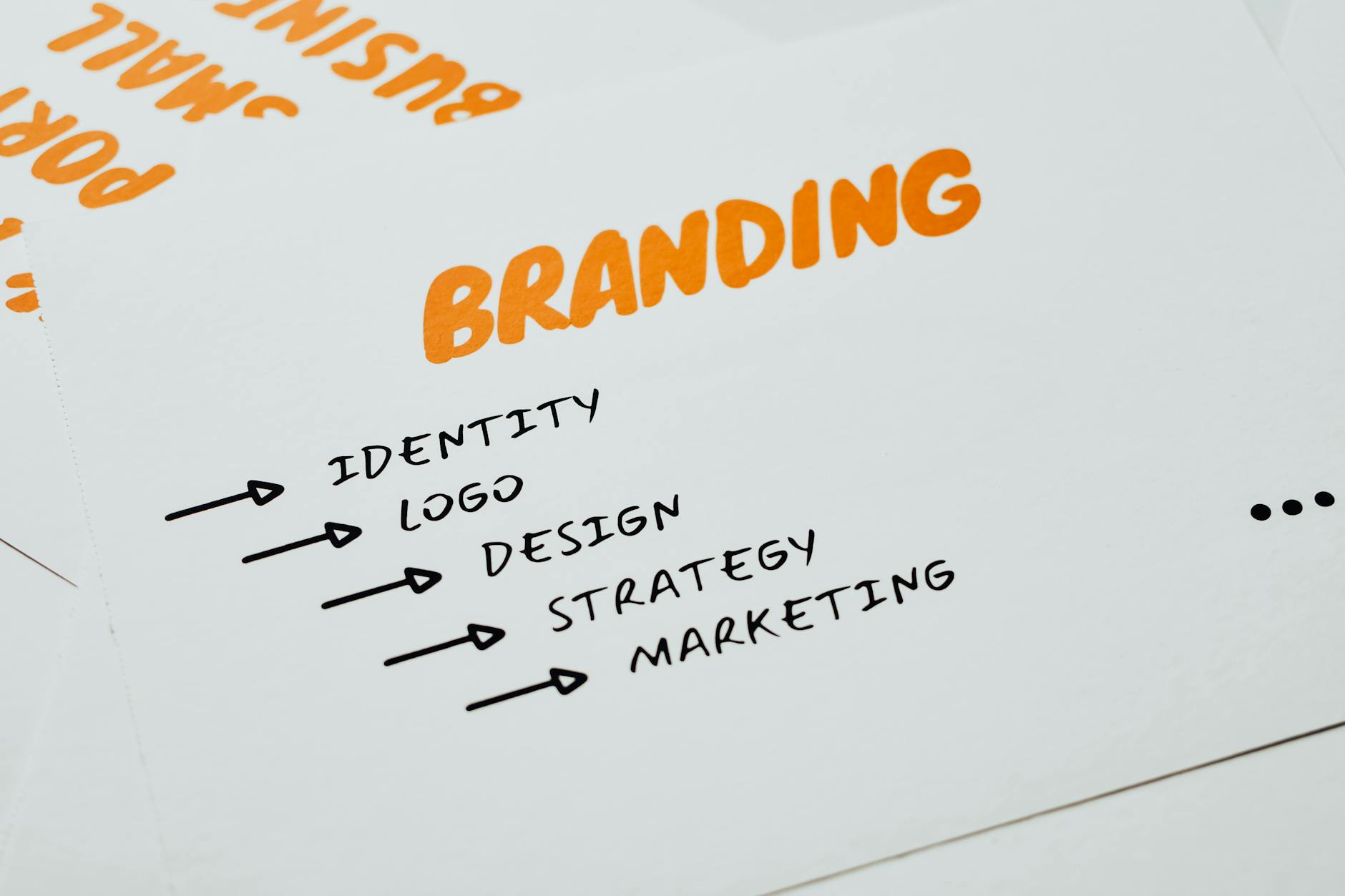 Photo by Eva Bronzini
Choosing the Right Font
Typography is more than just text; it reflects your brand’s identity. For a technical resume writing logo, consider using sans-serif fonts that convey modernity and cleanliness. A professional typeface not only enhances readability but also establishes the credibility of your brand. Choose something that resonates with your audience.
Imagery and Iconography
The imagery or icons you choose should directly relate to the professional services you offer. Consider using symbols that represent writing, technology, or professionalism, such as a pen, keyboard, or abstract tech shapes. Relevant iconography will communicate your business purpose at a glance, helping potential clients immediately understand your offerings.
Ideation Techniques for Logo Design
Brainstorming effective logo concepts can seem intimidating, but with the right techniques, you can unlock your creativity.
Brainstorming Sessions
Gather ideas through brainstorming sessions. Techniques like mind mapping can help you visualize concepts related to your business. Write down keywords that resonate with your brand, then explore associated images or ideas. This method can uncover unique perspectives for your logo.
Sketching and Prototyping
Before digitizing, sketch out your ideas. This step is crucial as it helps refine your thoughts without being limited by design software. Often, your best ideas will emerge during the sketching phase. Once you have a few solid drafts, you can digitize them for further refinement.
Inspiration from Successful Logo Designs
Examining effective logos within the technical resume writing sector can provide valuable insights for your own design.
Case Studies of Effective Logos
Look at brands within the industry that have successfully established their identity through logo design. Analyze what makes these logos work. For instance, the use of color, font choices, and overall simplicity can offer lessons on how to create an impactful logo.
Current Trends in Logo Design
Stay informed about emerging trends in logo design. Minimalist designs remain popular, emphasizing clarity and functionality. Additionally, logos that incorporate dynamic elements or gradients can capture attention and convey a sense of modernity that appeals to tech-savvy clients.
Creating Your Logo with Logo Maker Shop
For those looking to create their own logo, the Logo Maker Shop is an excellent resource. It offers simple tools to craft logos in just minutes.
Step-by-Step Guide to Using Logo Maker Shop
To start designing your logo, check out this step-by-step guide on using the Logo Maker Shop. This resource provides an easy path to create a professional logo designed specifically for your needs.
Final Tips for Designing Your Logo
As you finalize your logo design, consider a few practical tips that can help refine your work.
Getting Feedback
Seek opinions on your designs from friends or colleagues within the industry. Constructive feedback can offer perspectives you might not have considered and lead to necessary improvements.
Adapting and Evolving Your Logo
Remember, your logo isn’t set in stone. The tech landscape is ever-evolving, and your design should reflect that. Periodically updating your logo can keep it relevant and aligned with current design trends and industry needs.
Conclusion
In conclusion, creating a logo for the technical resume writing industry combines creativity and strategic thinking. Your logo should encapsulate your brand identity while resonating with your target audience. By following the principles outlined here and leveraging the Logo Maker Shop as a resource, you're well on your way to designing a logo that stands out. Embrace this journey with confidence, and let your creativity shine!

Michael Harper is a Senior Content Strategist at MarketInsider.co, a premier source for insights on digital marketing and business trends. With over 15 years of expertise in content development and strategic communications, Michael is renowned for his ability to craft compelling narratives that resonate with diverse audiences. He holds a Bachelor’s degree in Journalism from New York University and a Master’s degree in Business Administration from Columbia Business School. Outside of work, Michael is passionate about historical literature and enjoys hiking the trails of the Pacific Northwest.