Tax Planning Industry Logo Design Ideas
Creating a standout logo in the tax planning industry is essential for establishing your brand identity. A well-designed logo conveys professionalism and trust, two critical components in the finance sector. Whether you are starting a new tax consultancy or rebranding an existing practice, understanding the key characteristics and trends of tax planning industry logos will help you craft a design that resonates with your target audience.
Key Characteristics of Effective Tax Planning Logos
Simplicity and Clarity
When designing your logo, remember that simplicity and clarity are paramount. A cluttered logo can confuse potential clients and dilute your message. Aim for a design that is straightforward and easily recognizable. This clarity not only reflects professionalism but also makes it easier for your audience to remember your brand. Think about logos like those of major accounting firms—a clean aesthetic signals reliability and expertise.
Color Psychology
Colors evoke emotions and perceptions. In the tax planning industry, appropriate color choices are crucial. Blue, for example, is often associated with trust and stability, making it a popular choice among financial services. Green can symbolize growth and security, while gray exudes professionalism. When selecting colors for your logo, consider how these hues align with the values and image you want to project.
Typography Choices
The font you select says a lot about your brand's personality. Using a formal typeface can communicate authority, while a more modern, sans-serif font may appear more approachable. Consider your audience; for tax clients, a clean, professional font enhances trust. Avoid overly decorative fonts, as these can undermine your message and diminish credibility.
Symbolism in Tax Logos
Common symbols can effectively communicate your brand's services. For example, upward arrows symbolize growth and financial success, while calculators and financial charts represent accuracy and expertise. When incorporating symbols, ensure they are relevant to your services and easily understood by your audience. Avoid using clichéd imagery that doesn’t add value to your branding.
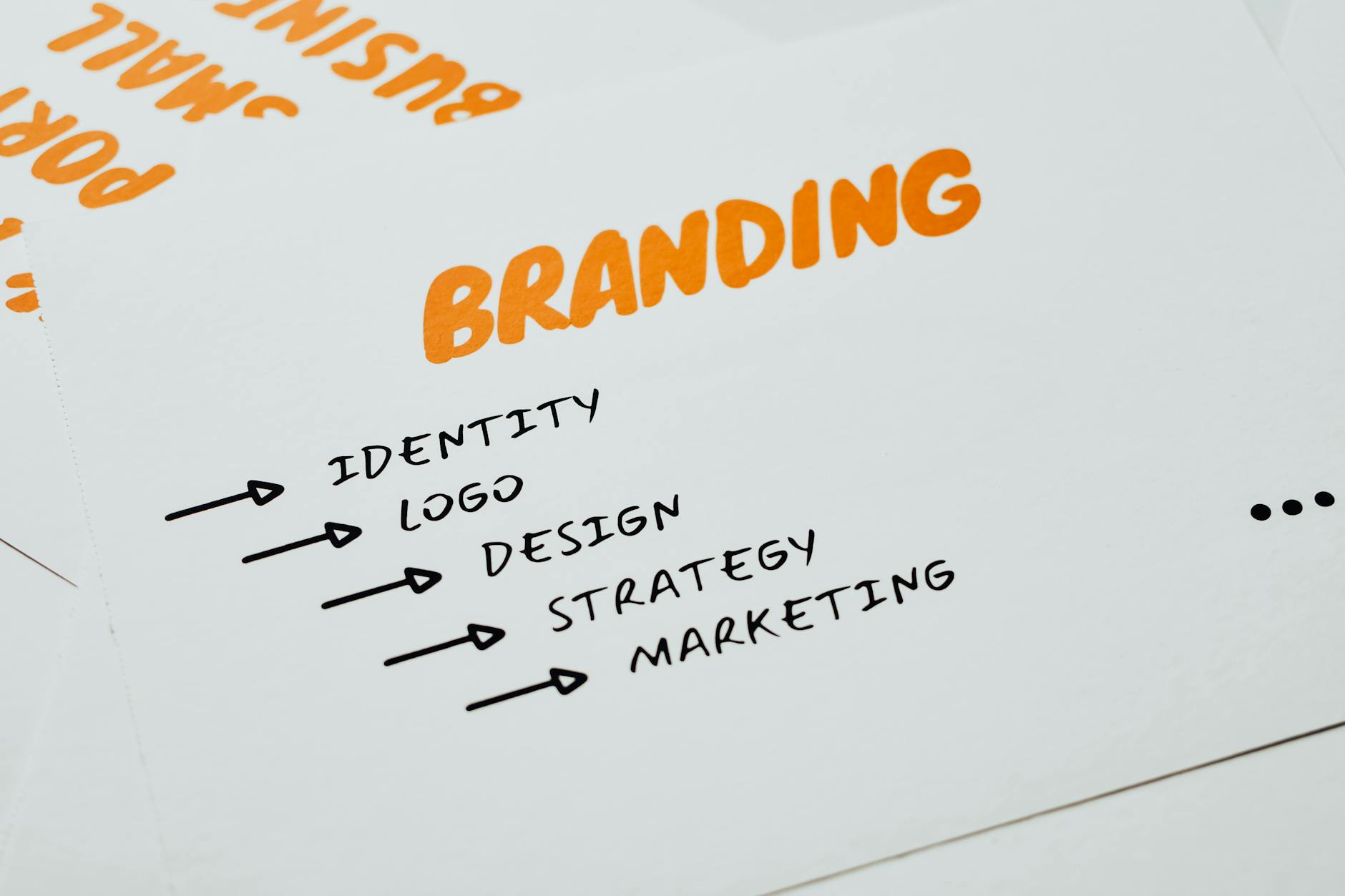
Photo by Eva Bronzini
Ideation Techniques for Logo Design
Research and Inspiration
To find inspiration for your logo, look at existing logos in the tax planning industry. Explore various designs to analyze what works and what doesn't. Platforms like Logo Maker Shop provide numerous templates specifically for financial services that can spark your creativity.
Sketching Initial Ideas
Start brainstorming by sketching your ideas. No design is too simple at this stage; focus on visualizing your concepts. Consider how different elements come together, and don’t hesitate to play with various arrangements. Sketching helps you clarify your vision before transitioning to digital design.
Utilizing Online Logo Makers
Using tools like the Logo Maker Shop can streamline the design process. With user-friendly interfaces and a plethora of templates, you can generate a quality logo quickly and efficiently. This approach is especially beneficial for those who may lack design skills but still want a professional look.
Trends in Logo Design for Tax Planning
Minimalism in Tax Logos
Minimalism continues to dominate logo design trends, particularly in the tax planning sector. A minimalist logo conveys efficiency and clarity, reflecting the precision clients seek in financial matters. By stripping away unnecessary details, you create a logo that is both modern and timeless.
Geometric Shapes and Icons
Geometric shapes are increasingly popular in logo design. These shapes lend a contemporary feel while giving the design structure. Whether it’s through circles that symbolize unity or hexagons that imply stability, geometric forms can enhance your logo’s appeal and professionalism.
Case Studies of Successful Tax Logos
Brand Identity and Recognition
Study successful tax logos to understand their impact on brand identity. For instance, logos with consistent color schemes and typography create a cohesive brand image. This consistency strengthens recognition, making it easier for clients to recall your services when they need them.
What Makes Them Stand Out
Successful logos in the tax planning industry often feature unique elements that set them apart. Look for logos that incorporate personal elements or regional symbols, making them memorable. Think of how a local icon can resonate with community-oriented clients, enhancing emotional connections.
Practical Tips for Designing Your Tax Planning Logo
Feedback and Iteration
Once you have a draft of your logo, seek feedback from peers and potential clients. Constructive criticism can provide insights that you might have missed. Be open to making revisions; the design process often involves several iterations before arriving at the final product.
Testing Across Mediums
Your logo will appear across various formats, from business cards to websites. Ensure your design is versatile by testing it in different formats. A successful logo should maintain its integrity whether it’s displayed large on a sign or small on a mobile screen.
Conclusion
A well-designed logo in the tax planning industry is more than a creative endeavor; it's an essential element of your brand identity. By understanding the key characteristics, exploring innovative design techniques, and seeking inspiration from successful examples, you can create a logo that effectively communicates your brand message. Remember to utilize tools like the Logo Maker Shop to bring your vision to life. Start your logo design journey today and establish a strong visual representation of your business!

Michael Harper is a Senior Content Strategist at MarketInsider.co, a premier source for insights on digital marketing and business trends. With over 15 years of expertise in content development and strategic communications, Michael is renowned for his ability to craft compelling narratives that resonate with diverse audiences. He holds a Bachelor’s degree in Journalism from New York University and a Master’s degree in Business Administration from Columbia Business School. Outside of work, Michael is passionate about historical literature and enjoys hiking the trails of the Pacific Northwest.