Tattoo Equipment Industry Logo Design Ideas
When you think about the tattoo equipment industry, the first image that comes to mind might not be a logo. However, a strong logo can convey your brand's identity, values, and vision to consumers more effectively than words. Especially in an industry driven by creativity and personal expression, your logo plays a critical role. It helps potential customers make quick judgments about your business. Let's explore the essential elements that contribute to effective logo design in the tattoo equipment industry.
Understanding the Tattoo Equipment Industry
The tattoo equipment industry has witnessed remarkable growth in recent years. With the global tattooing culture expanding, more people are seeking quality tools and supplies to either start their own tattooing journey or enhance their existing craft. As the demand grows, so does the need for brands that stand out, making logo design more important than ever. A well-designed logo not only attracts customers but also reflects the quality of the products offered.
Market Trends and Consumer Preferences
Current trends in the tattoo equipment market reveal a clear consumer preference for authenticity and craftsmanship. Customers are looking for brands that offer high-quality equipment and represent a unique identity. They also favor brands that have a strong visual representation of their values, which makes the logo an integral part of their purchasing decisions.
Identifying Target Audience
Knowing your target audience is vital. Are you catering to professional tattoo artists, hobbyists, or the general public looking for DIY supplies? Each group has distinct expectations and reactions to logo designs. For example, professional artists may prefer a more refined and artistic logo, while casual customers might be drawn to something bold and playful.
Key Characteristics of Effective Logos in Tattoo Equipment
To resonate within the tattoo equipment industry, your logo must possess certain characteristics that make it effective.
Color Psychology in Tattoo Equipment Branding
Colors evoke emotions, and their psychological impact can shape customer perceptions. For instance, black often symbolizes sophistication, while red can evoke passion and excitement. Think about your brand's personality. Are you edgy and bold or classic and refined? Color choices can articulate these attributes clearly in your logo.
Typography Choices for Tattoo Logos
Font style can carry significant weight in branding. Handwritten or script-like fonts can convey creativity and individuality, whereas clean, bold fonts can suggest professionalism and reliability. Consider what message your typeface sends to potential customers.
Iconography and Imagery
Incorporating symbols associated with tattoo culture, such as ink needles, tattoos, or even abstract shapes representing freedom and self-expression, is pivotal. These images can enhance your logo’s appeal while directly linking it to the tattoo world.
Logo Design Ideation Techniques
Creating a logo isn't just about jumping straight into design software. It's an iterative process that involves brainstorming and ideation.
Research and Inspiration Sources
Don’t underestimate the power of research. Explore industry-specific platforms like Pinterest or Logo Maker Shop to gather inspiration. Look at your competitors, note what works and what doesn’t, and understand the trends aligning with consumer preferences.
Sketching and Concept Development
Before you dive into the complexities of digital design, take a step back and sketch out your ideas. This rough draft can help you visualize concepts and think freely. You might be shocked at the creativity that spills out during this process.
Utilizing Design Tools
The Logo Maker Shop is an excellent resource for developing professional-looking logos quickly. It offers various tools that allow you to customize your logo according to your brand vision. Utilize its templates and features to give your designs a professional edge.
Inspiring Examples of Tattoo Equipment Logos
Looking at successful logos can spark fresh ideas for your designs.
Case Studies: Successful Brand Logos
One standout example is Inkwell, a brand known for its quality inks and needles. Their logo incorporates a classic inkwell with an artistic font, reflecting both tradition and creativity. Another great example is InkedLife, which cleverly uses ink drops in its branding, appealing directly to the enthusiast.
Innovative Trends in Logo Design
The tattoo equipment industry is also moving toward minimalist logos. Simple, clean designs with fewer distractions often have a more lasting impact. If you can capture your brand's identity in a streamlined way, you’ll likely create a logo that resonates more with modern consumers.
Steps to Create Your Tattoo Equipment Logo
Creating a logo might seem daunting, but breaking it down into manageable steps makes it easier.
Using the Logo Maker Shop
Start by visiting the Logo Maker Shop to explore features that cater to the tattoo industry. The platform offers tailored tools, making it easier for you to express your brand visually.
Finalizing and Testing Your Logo
Once you've created your logo, gather feedback from potential customers. Use surveys or social media polls to see how people react to your design. A logo that resonates with your audience can significantly enhance your brand’s perception and trust.
Conclusion
Designing a logo for your tattoo equipment brand is more than just creating an image; it’s about conveying your business values and making an emotional connection with your audience. Whether you’re inspired by the color palette, typography, or imagery, let your creativity flow as you embark on this journey. Remember, a well-crafted logo can set the tone for your entire business. Explore your options with platforms like the Logo Maker Shop and begin creating something unique today!
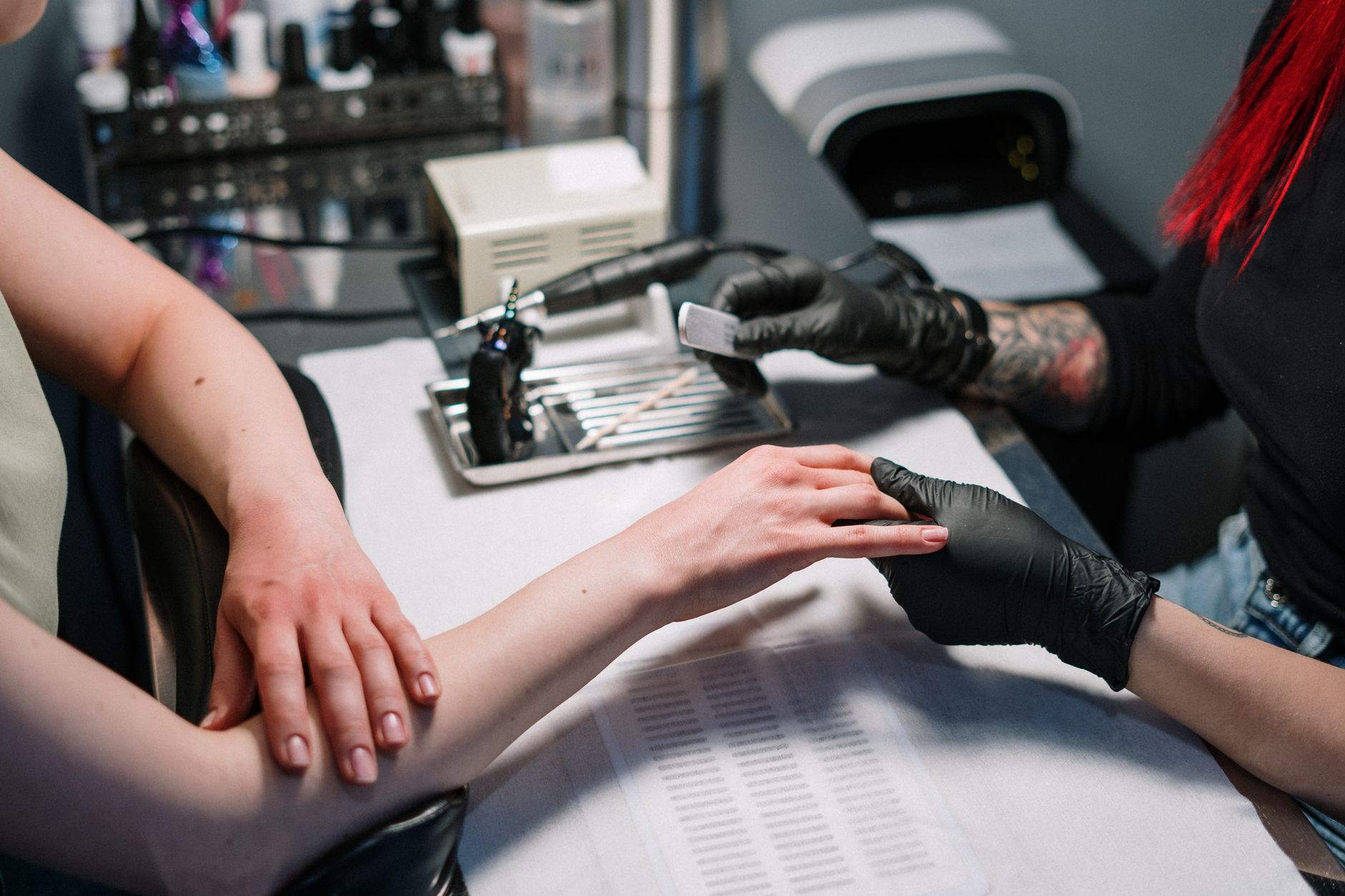
Photo by cottonbro studio

Michael Harper is a Senior Content Strategist at MarketInsider.co, a premier source for insights on digital marketing and business trends. With over 15 years of expertise in content development and strategic communications, Michael is renowned for his ability to craft compelling narratives that resonate with diverse audiences. He holds a Bachelor’s degree in Journalism from New York University and a Master’s degree in Business Administration from Columbia Business School. Outside of work, Michael is passionate about historical literature and enjoys hiking the trails of the Pacific Northwest.