Takeout Chicken Industry Logo Design Ideas
In the highly competitive takeout chicken industry, having a strong logo is not just important—it's essential. A logo serves as the visual cornerstone of your brand identity, a unique symbol that can differentiate you from others in the market, evoke appetite, and create a memorable customer experience. A well-designed logo communicates your brand's message at first glance, making it imperative to invest time and effort into crafting the right one.
Key Characteristics of Effective Takeout Chicken Logos
A successful logo encompasses several key traits that resonate with the target audience and accurately represent the brand. Let's explore what makes a logo effective in the takeout chicken space.
Color Palette Significance
Colors play a vital role in the food industry, as they can directly impact appetite and mood. For the takeout chicken market, consider using reds, yellows, and earthy tones.
- Red stimulates hunger and grabs attention.
- Yellow creates a feeling of warmth and happiness.
- Earthy tones evoke a sense of freshness and authenticity.
By thoughtfully selecting your color palette, you can create an inviting aesthetic that appeals to your customers.
Typography Choices
The right font can express the personality of your brand. For takeout chicken logos, you want to opt for fonts that convey friendliness and approachability.
- Rounded fonts often feel more inviting.
- Casual scripts can evoke a homemade feel, making customers feel right at home.
Remember, your typography should complement your brand image and be easy to read, even from a distance.
Imagery and Icons
Incorporating recognizable imagery can further reinforce your brand identity. Common motifs in the takeout chicken industry include chicken shapes, utensils, or packaging.
- Chicken silhouettes communicate exactly what you're serving.
- Utensils or packaging icons can convey the idea of takeout and ease.
Choose symbols that align with the essence of your brand.
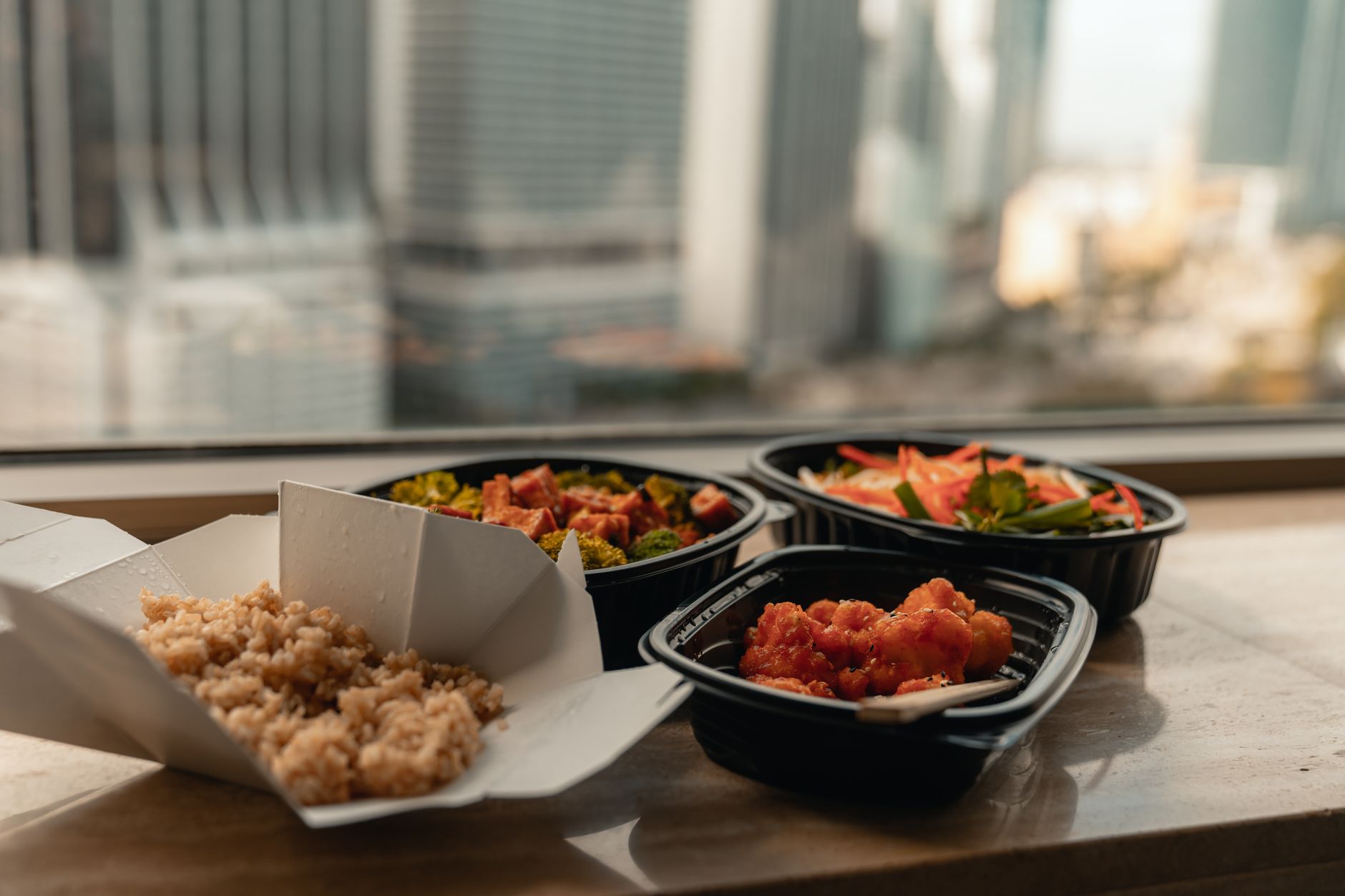
Photo by Jacoby Clarke
Simplicity and Versatility
Simplicity is another crucial element for logo effectiveness. A simple design is not only easier to understand but also more memorable. Your logo should work well across various platforms—from signs and menus to social media graphics. A flexible design ensures your logo is recognizable no matter where it's displayed.
Ideation Techniques for Logo Design
Creating the perfect logo requires a thoughtful process. Here are some actionable techniques to help you brainstorm and conceptualize.
Researching Competitors
Start by examining local competitors' logos. What common themes do you notice? Are there any gaps in the market? Research can inspire unique ideas and inform your design.
Sketching Ideas
Once you have researched, dive into sketching. Don’t hesitate to doodle multiple concepts. This will allow you to explore different directions before narrowing your focus.
Incorporating Feedback
Feedback from potential customers can be invaluable. Share your concepts with friends, family, or even your existing customer base to gauge their reactions. This can provide insights and help refine your design.
Exploring Logo Maker Shop Tools
For a seamless logo design experience, consider using tools from the Logo Maker Shop. These platforms offer user-friendly design tools that simplify the logo creation process, allowing you to focus on creativity.
Inspiration from Successful Brands
Sometimes, the best way to generate ideas is to look at what has worked for others.
Case Study: Popular Chains
Major chains such as KFC and Chick-fil-A have successfully branded themselves through their logos. Their designs reflect crunchy chicken and wholesome family values while remaining simple and easy to recall.
Local Favorites and Their Identity
Don't overlook local favorites! Many have unique logos that showcase their brand's personality. Check out neighborhood spots for inspiration, noting how they connect with local culture and values.
Current Trends in Logo Design
Staying updated on design trends is crucial for creating a contemporary logo that resonates with customers.
Minimalism vs. Complexity
Currently, brands wrestle between minimalism and complexity. A minimalist logo focuses on straightforward elements, which can be easier to recall and more versatile. In contrast, a complex logo has more details but may become less identifiable at smaller scales.
Sustainable and Ethical Imagery
Consumers increasingly favor brands that reflect sustainability. Integrating eco-friendly design elements in your logo could resonate well, portraying that your chicken is sourced ethically or prepared sustainably.
Final Tips for Designing Your Logo
As you embark on your logo creation journey, keep the following tips in mind:
Testing Your Logo Across Formats
Before finalizing your logo, test its visibility. Ensure that it looks good on a variety of platforms and materials, from menus to digital screens. A successful logo should maintain its clarity across different formats.
Future-Proofing Your Design
Think long-term when designing your logo. Trends change, but a timeless logo remains relevant. Avoid fads and focus instead on creating a design that will stand the test of time.
Conclusion
In the takeout chicken industry, a compelling logo is not merely a visual but a powerful representation of your brand. By incorporating the insights shared in this article, you can create a memorable logo that captures the essence of what you offer. Whether using concepts from successful brands or your unique inspirations, remember that your logo plays a crucial role in attracting and retaining customers. Embrace creativity and harness these strategies to craft the perfect logo for your takeout chicken business.

Michael Harper is a Senior Content Strategist at MarketInsider.co, a premier source for insights on digital marketing and business trends. With over 15 years of expertise in content development and strategic communications, Michael is renowned for his ability to craft compelling narratives that resonate with diverse audiences. He holds a Bachelor’s degree in Journalism from New York University and a Master’s degree in Business Administration from Columbia Business School. Outside of work, Michael is passionate about historical literature and enjoys hiking the trails of the Pacific Northwest.