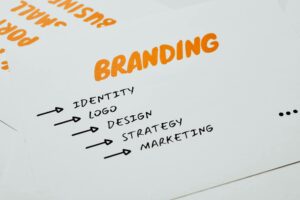
Synthetic Lubricant Industry Logo Design Ideas
A strong logo is vital in the synthetic lubricant industry, as it visually reflects your brand's identity and values. It’s more than just a pretty picture; a well-designed logo can convey quality and reliability to potential customers. When designed thoughtfully, it becomes a powerful tool to differentiate your business in a competitive market.
Characteristics of Effective Logos in the Synthetic Lubricant Industry
Color Psychology and Branding
Colors play a significant role in how customers perceive your brand. In the synthetic lubricant industry, hues such as blue and green often signify trust, professionalism, and eco-friendliness. Dark colors like black or silver add a touch of sophistication and durability, reflecting the strength and performance of the lubricants. When selecting colors, think about what emotions and messages you want to convey through your brand.
 Photo by Google DeepMind
Symbolism and Iconography
Common symbols in the lubricant sector include gears, oil drops, and machinery elements. Utilizing these icons can create an immediate connection to your industry. When integrated effectively, they can enhance recognition, making your logo more memorable. However, strive for originality to avoid blending into the crowd.
Typography Choices
Font choice matters significantly in logo design. Bold, sans-serif fonts often suggest strength and modernity, ideal for conveying reliability. Meanwhile, rounded fonts can impart a friendly and approachable feel. Think about the message your font sends and choose one that aligns with your brand’s essence.
Simplicity vs. Complexity
Striking a balance between simplicity and complexity can greatly affect your logo's effectiveness. While detailed images might look captivating, a simpler design tends to be more versatile and easier to reproduce. Aim for a logo that is straightforward yet memorable, allowing for easy recognition across various platforms.
Adaptability and Scalability
Your logo must be versatile enough to work on multiple mediums, from business cards to billboards. A great logo retains its integrity when scaled up or down. Make sure your design doesn't lose its charm in different formats; this adaptability is vital for brand consistency.
Ideation Techniques for Logo Design
Research and Inspiration
When brainstorming logo ideas, research existing logos within the synthetic lubricant industry. Assess what works well and what doesn’t. You can gain valuable insights and inspiration by checking resources like the Logo Maker Shop. This exploration can help refine your own design vision.
Sketching and Prototyping
Start with rough sketches to flesh out ideas. This process allows you to visualize concepts and iterate quickly. Don't hesitate to create numerous drafts; the more variations you explore, the closer you’ll get to the perfect design.
Feedback and Iteration
Constructive feedback is essential. Share your designs with peers or potential customers to gain insights. Iterate based on this feedback, as this collaborative approach can lead to a logo that resonates with your audience.
Using Logo Maker Shop for Design
The Logo Maker Shop is an excellent resource for creating unique logos. It offers user-friendly tools to help you design a professional logo in just a few minutes. This platform allows you to explore various templates tailored to your industry.
Trends in Logo Design for Synthetic Lubricants
Minimalism and Clean Lines
In recent years, minimalistic designs have gained popularity. They create a sleek, modern look and ensure logos remain visually appealing without overwhelming details. This trend helps in creating logos that are easily identifiable and memorable.
Geometric Shapes and Their Meaning
Geometric shapes can add a level of sophistication to your logo. They often suggest stability and reliability, vital traits in the lubricant industry. Incorporating these shapes can lend a contemporary flair that appeals to modern consumers.
Dynamic Logos
Consider creating logos that can evolve and adapt over time. Logos that change subtly while maintaining core elements can keep your brand fresh and relevant, reflecting growth and innovation in your products.
Sustainable and Eco-Friendly Design
With an increasing focus on sustainability, incorporating eco-friendly elements into your logo design can resonate with environmentally conscious clients. Using green hues or integrating symbols of nature can enhance your brand’s appeal to this growing market segment.
Case Studies of Successful Synthetic Lubricant Logos
Analysis of Top Brands
Leading brands in the synthetic lubricant industry often have logos that effectively communicate their values. For instance, Castrol employs a bold font combined with a green and red color palette, symbolizing energy and performance. This design strategy helps reinforce their identity as a dynamic, high-performance brand.
Another example is Mobil 1, which utilizes a simple yet powerful logo featuring clean lines and an iconic drop symbol. This logo conveys reliability and has become synonymous with quality in automotive lubricant products.
Mistakes to Avoid in Logo Design
Avoid common pitfalls like overcomplicating your design or using trends that may become outdated quickly. Staying authentic to your brand's identity is essential. Always prioritize clarity and relevance over aesthetic trends that might not align with your messaging.
Conclusion and Next Steps
Creating a compelling logo in the synthetic lubricant industry isn't just about aesthetics; it's about conveying your brand’s core values and identity effectively. A well-thought-out logo can set the foundation for your branding strategy, capturing the essence of what your business stands for.
Call to Action
Ready to bring your logo vision to life? Explore the Logo Maker Shop today. With its intuitive tools and diverse templates, you can create a logo that stands out in the synthetic lubricant industry and resonates with your target audience. Don’t hesitate to take that first step towards branding excellence!

Michael Harper is a Senior Content Strategist at MarketInsider.co, a premier source for insights on digital marketing and business trends. With over 15 years of expertise in content development and strategic communications, Michael is renowned for his ability to craft compelling narratives that resonate with diverse audiences. He holds a Bachelor’s degree in Journalism from New York University and a Master’s degree in Business Administration from Columbia Business School. Outside of work, Michael is passionate about historical literature and enjoys hiking the trails of the Pacific Northwest.