Retail Florist Industry Logo Design Ideas
Logos are the face of your business; they encapsulate your brand’s essence and set the tone for your relationship with customers. In the competitive retail florist industry, a well-crafted logo isn’t just a stylistic choice—it’s a vital component of your branding strategy. It reflects your creative flair, professionalism, and the emotions you want to evoke in your clients. Whether you’re starting a new flower shop or rebranding an existing one, let’s explore the most effective design ideas to create a captivating logo that blossoms in the hearts of your customers.
Defining Characteristics of Retail Florist Logos
What makes a florist logo successful? It revolves around several key visual and thematic elements that resonate with your audience. Understanding these characteristics is essential in constructing an impactful logo.
Color Palette and Symbolism
Colors play a crucial role in conveying emotions and ideas. In floral designs, certain colors evoke particular sentiments. Soft pastels like pinks and purples symbolize love and affection, while vibrant yellows and oranges can represent happiness and energy. Consider incorporating a harmonious combination of colors that reflect the spirit of your brand and align with your floral offerings.
For example, a vibrant red may convey passion, perfect for romantic arrangements. Selecting your color palette wisely can set the mood and tone of your brand.
Typography Choices
Font selection is equally important. The typeface you choose can convey different attributes of your brand. Elegant script fonts can give a luxurious feel, while modern sans-serif fonts might suggest freshness and simplicity. For a florist, consider a font that captures the beauty of flowers. You want your typography to be clear and easy to read while also reflecting the craftsmanship behind your floral designs.
Incorporating Floral Imagery
Using floral visuals in your logo can significantly enhance brand identity. Think about how visual elements like bouquets, leaves, or even a single blossom can encapsulate what your florist business is about. Ultimately, your logo should be instantly recognizable and memorable, whether it's on a business card, a shop sign, or a website.
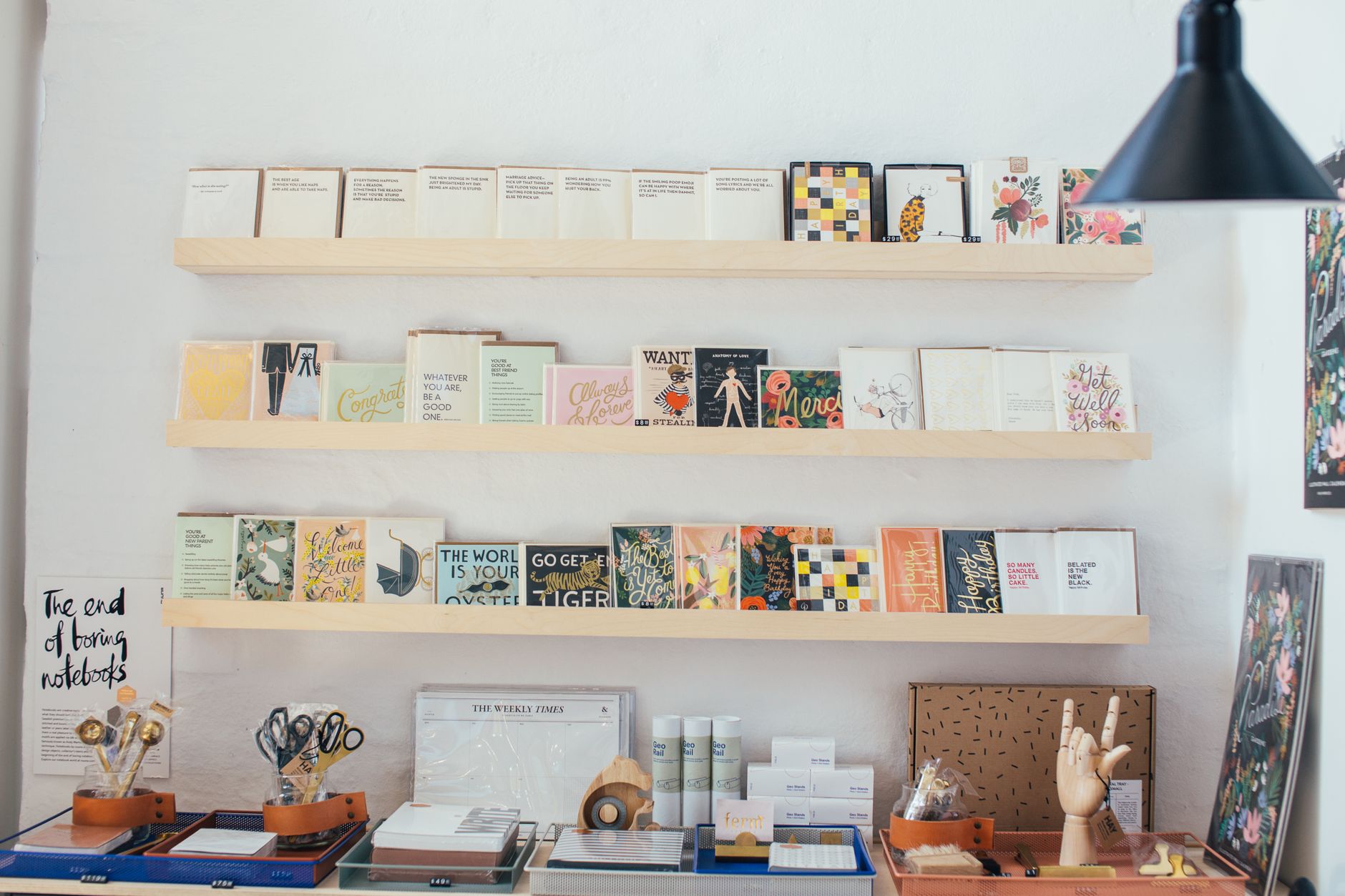
Photo by Rachel Claire
Ideation Techniques for Logo Design
Creating a logo is a journey, and like any journey, it begins with a strong foundation. Here are actionable steps for brainstorming and conceptualizing your logo ideas.
Mood Boarding for Inspiration
Start by creating a mood board that encapsulates the vibes you want your brand to convey. Use images, colors, and typography that inspire you. This visual collection can serve as a reference point throughout the design process, helping you stay aligned with your vision.
Sketching and Prototyping
Don’t underestimate the power of sketching. Grab a pencil and let your ideas flow onto the page. Sketching allows you to iterate quickly and explore various concepts without the constraints of digital tools. This tactile process can ignite creativity and lead you to a design you truly love.
Feedback and Revisions
Seek feedback from peers, mentors, or even potential customers. It can provide invaluable insights that might help refine your logo further. Keep an open mind during this process, as constructive criticism allows you to grow and adjust your vision.
Innovative Trends in Logo Design
The world of logo design is ever-evolving. Keeping an eye on the latest trends can inspire your design process and help you stand out.
Minimalist Logo Designs
Less truly is more. Minimalism emphasizes clean lines and simplicity, making logos easy to recognize and memorable. In the florist industry, a minimalist logo can suggest elegance and high quality, allowing your floral arrangements to take center stage.
Vintage and Retro Influences
There’s a resurgence of vintage styles in logo design, tapping into nostalgia and classic aesthetics. For florists, this might mean elegantly scripted fonts combined with earthy tones and traditional floral imagery. This style evokes trust and a sense of timelessness.
Sustainable Branding in Floristry
Eco-friendly practices are an essential part of contemporary branding, especially in the florist industry. Your logo can reflect these values by incorporating natural elements or colors that symbolize growth and sustainability. A logo that communicates your commitment to the environment can resonate well with conscious consumers.
Using Logo Maker Shop for Your Design Needs
The Logo Maker Shop offers a fantastic resource for aspiring logo designers. It provides an easy-to-use platform that empowers you to create a logo that fits your vision without deep design expertise.
Step-by-step Guide to Creating Your Logo
Start your logo creation journey by visiting the Logo Maker Shop. For detailed instructions on how to navigate this platform and bring your ideas to life, check out this comprehensive guide: Creating Your Logo with Logo Maker Shop.
Customization Features and Tools
With Logo Maker Shop, you gain access to a variety of customization tools. Adjust colors, typography, and imagery based on your preferences and brand identity. This customization ability ensures your logo is as unique as your floral arrangements.
Conclusion: Crafting Your Florist Brand Identity
A well-designed logo is more than just an image; it’s a key asset in your branding strategy that conveys your florist business’s identity and values. With thoughtful consideration of colors, typography, and imagery, you can create a logo that resonates with your audience and enhances your brand presence. Don’t wait—embark on your design journey today!
Final Thoughts on Retail Florist Industry Logo Design Ideas
Remember, your logo serves as your business’s first impression. It’s a vital component of how you’ll be perceived in the vibrant world of floral artistry. Use the tools and techniques outlined here, engage your creativity, and let your florist brand bloom beautifully.

Michael Harper is a Senior Content Strategist at MarketInsider.co, a premier source for insights on digital marketing and business trends. With over 15 years of expertise in content development and strategic communications, Michael is renowned for his ability to craft compelling narratives that resonate with diverse audiences. He holds a Bachelor’s degree in Journalism from New York University and a Master’s degree in Business Administration from Columbia Business School. Outside of work, Michael is passionate about historical literature and enjoys hiking the trails of the Pacific Northwest.