Restoration and Preservation Industry Logo Design Ideas
The restoration and preservation industry plays a vital role in protecting cultural heritage and the environment. An effective logo design in this field isn't just a brand symbol; it's an expression of your mission and values. Your logo can significantly impact brand identity, signaling to your audience your commitment to quality, reliability, and sustainability.
In this article, you’ll discover practical insights about logo design in the restoration and preservation sector, focusing on essential characteristics, ideation techniques, and inspiration from successful logos. Let’s explore how you can create a powerful logo that resonates with your target audience!
Key Characteristics of Restoration and Preservation Logos
Logos in the restoration and preservation industry often feature distinct elements that reflect the mission and essence of the businesses they represent. By understanding these characteristics, you can create a logo that showcases your commitment to heritage and craftsmanship.
Symbolism and Imagery
A successful logo makes effective use of symbols related to history, heritage, and sustainability. Think about incorporating elements such as trees, historic buildings, or tools representing trades like carpentry or masonry. These symbols not only convey your services but also connect with the audience's emotions regarding preservation and conservation.
For example, a logo featuring a leaf intertwined with a vintage home can symbolize harmony between nature and restoration, portraying a message of care for both history and the environment.
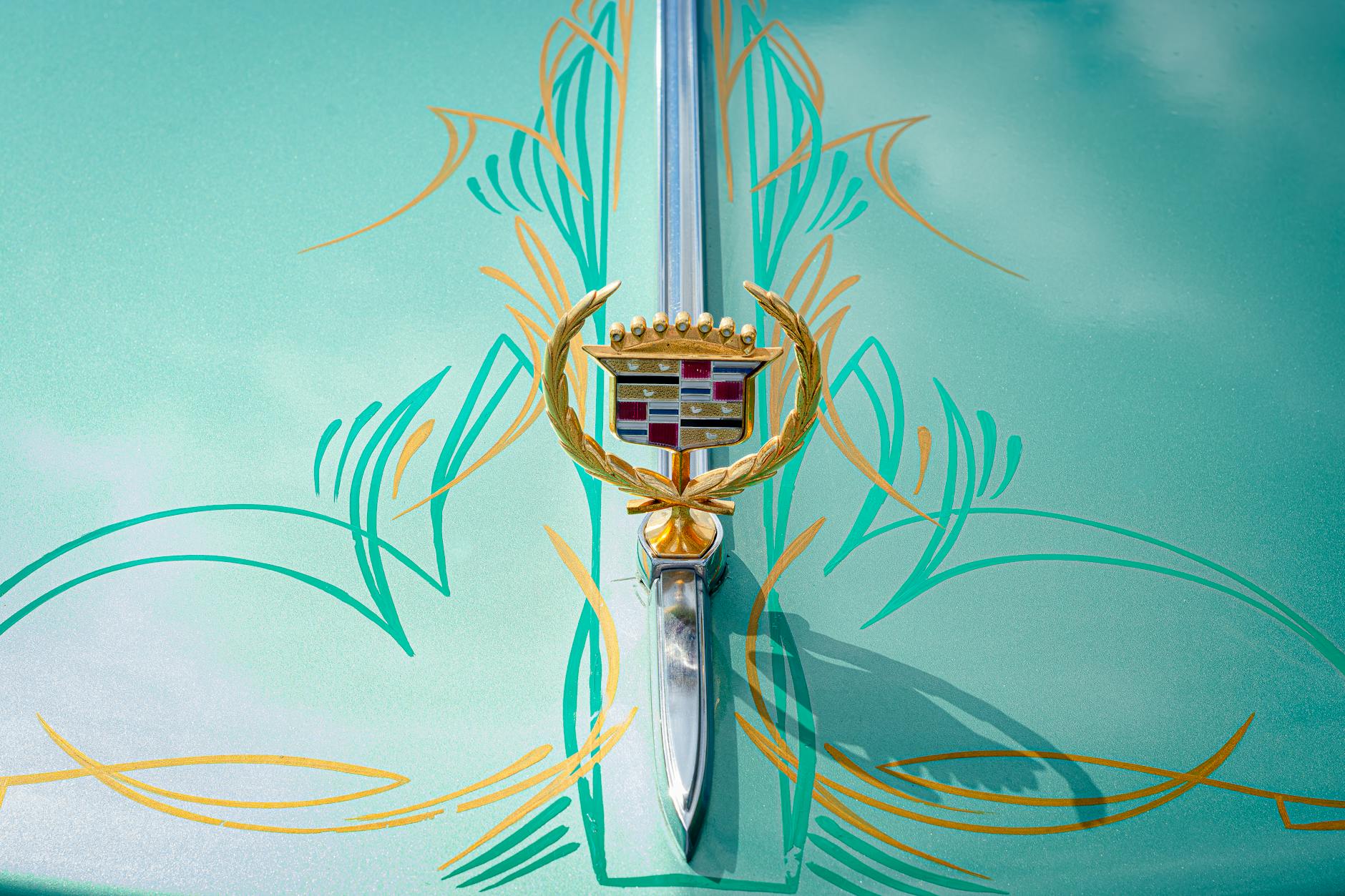
Photo by Jean Marc Bonnel
Color Palette Considerations
Colors wield immense psychological power. In the restoration industry, hues that evoke trust, reliability, and environmental care are essential. Earthy tones like greens and browns can emphasize sustainability, while soft blues may communicate calmness and trustworthiness.
Choosing a muted color palette can help convey a classic, timeless feel, which is often associated with historical preservation. This thoughtful approach to color selection can greatly enhance how your audience perceives your brand.
Typography Choices
Font selection is another significant aspect of logo design. The typography you choose reflects the character of your business. For restoration and preservation, consider using classic serif fonts that impart a sense of tradition. Alternatively, modern sans-serif fonts can convey a clean, professional look.
Combining different font styles also works wonders. For example, you could use a bold, traditional font for your business name while employing a subtle, modern font for your tagline, merging both heritage and modernity in one design.
Ideation Techniques for Logo Design
Creating a logo tailored to the restoration and preservation industry requires innovative thinking and strategic planning. Below are actionable strategies to help you brainstorm and develop impactful logo ideas.
Researching Industry Trends
One of the best ways to kickstart your logo design process is to explore current trends. What’s popular in the restoration and preservation sector? Delve into existing logos and analyze what works well. Consider how successful brands showcase their commitment to quality and sustainability.
By tapping into these insights, you can adapt popular trends while ensuring your designs remain unique and relevant to your brand’s mission.
Utilizing the Logo Maker Shop
Creating a logo doesn't have to be daunting. The Logo Maker Shop is an excellent resource for generating tailored logos quickly and efficiently. This platform enables you to explore various design ideas and customize logos that align with the values of your restoration business.
Take advantage of its user-friendly interface to experiment with different elements, ensuring you develop a logo that reflects your brand’s identity perfectly.
Sketching and Prototyping
Start your design process by sketching rough ideas. This stage isn't about perfection; it's about letting your creativity flow. Visualizing your thoughts on paper can help clarify your vision and make it easier to communicate your ideas later in the process.
Once you have a few sketches, start creating prototypes. This iterative approach allows you to refine designs based on what resonates most with you and your audience.
Inspiration and Creative Examples
Sometimes, inspiration comes from looking at what others have done successfully. Here’s a glimpse into real-world examples that can fuel your creativity.
Case Studies of Successful Logos
Examine notable logos in the restoration and preservation industry. For instance, consider a logo that uses a silhouette of a landmark or historical site. This kind of imagery can evoke nostalgia and remind viewers of the importance of preservation.
Another example may include logos that incorporate elements like bricks or wood textures, reinforcing craftsmanship and the importance of durable materials.
Innovative Techniques in Branding
In recent years, unique design trends have emerged in logo creation specifically for restoration projects. Techniques like minimalist design—focusing on essential elements without unnecessary embellishments—can be highly effective. This approach allows potential clients to focus on your brand's core mission without distractions.
Moreover, consider using geometric shapes to convey a sense of structure and stability in your designs, mirroring the stability you aim to provide through your services.
Practical Tips for Effective Logo Design
Creating an effective logo requires a balance of creativity and practicality. Here are essential tips to guide your design process.
Ensuring Versatility and Adaptability
Your logo should be adaptable for various mediums, whether printed materials, websites, or social media profiles. When designing, ensure that your logo remains legible and recognizable at different sizes. A professional logo can effortlessly transition from a business card to a billboard without losing its impact.
Feedback and Iteration
Seek feedback on your logo designs from peers and potential customers. Constructive criticism can offer invaluable insights into how your logo resonates with others. Utilize this feedback to iterate and refine your designs until they perfectly encapsulate your vision and brand identity.
Conclusion
Developing a logo that resonates within the restoration and preservation industry is both an art and a science. By focusing on key characteristics such as symbolism, color, and typography, you can establish a brand identity that reflects your commitment to quality and sustainability. Remember to utilize tools like the Logo Maker Shop for inspiration and quick design solutions.
Empower your creativity by researching successful logos, sketching ideas, and gathering feedback. With these strategies, you're well on your way to designing a logo that doesn't just represent your business but inspires trust and connection within your audience. Start your design journey today!

Michael Harper is a Senior Content Strategist at MarketInsider.co, a premier source for insights on digital marketing and business trends. With over 15 years of expertise in content development and strategic communications, Michael is renowned for his ability to craft compelling narratives that resonate with diverse audiences. He holds a Bachelor’s degree in Journalism from New York University and a Master’s degree in Business Administration from Columbia Business School. Outside of work, Michael is passionate about historical literature and enjoys hiking the trails of the Pacific Northwest.