Residential Renovation Industry Logo Design Ideas
In the residential renovation industry, a logo serves as the face of your brand. It’s the first thing potential clients notice, making it essential for your logo to embody your business's identity and values. A well-designed logo not only attracts attention but also communicates your craftsmanship and professionalism. This article explores the nuances of logo design specifically tailored to the renovation sector, aiming to inspire creativity and uniqueness.
Key Characteristics of Effective Logos in the Residential Renovation Industry
Creating a standout logo requires understanding the essential elements that resonate with your audience. A compelling logo effectively conveys your business's purpose while reflecting its character.
Simplicity and Clarity
When it comes to logo design, simplicity is key. Think about it: a cluttered logo can confuse potential customers rather than attract them. An effective renovation logo should be clean and straightforward, immediately conveying what your business does. Whether it’s a sleek outline of a house or a depiction of tools, simplicity allows for easy recognition and memorability.
Color Psychology in Renovation Logos
Colors evoke emotions, influencing how people perceive your brand. In the renovation industry, certain colors can communicate trust and reliability. For instance:
- Blue: Symbolizes trust and professionalism. It can be an excellent choice for conveying a sense of stability.
- Green: Represents growth and sustainability. A great option if your renovation efforts focus on eco-friendly practices.
- Earthy Tones: Browns and beiges invoke comfort and connection to home, resonating well with residential projects.
Remember, your color choices should align with your brand values, setting you apart in the competitive market.
Incorporating Industry Symbols
Using relevant symbols in your logo can enhance its identity. Tools like hammers, saws, or even a home silhouette can instantly connect your logo to the renovation sector. Such imagery not only communicates your field but also makes your logo relatable. For example, a hammer crossed with a wrench can depict reliability and precision in your renovation services.
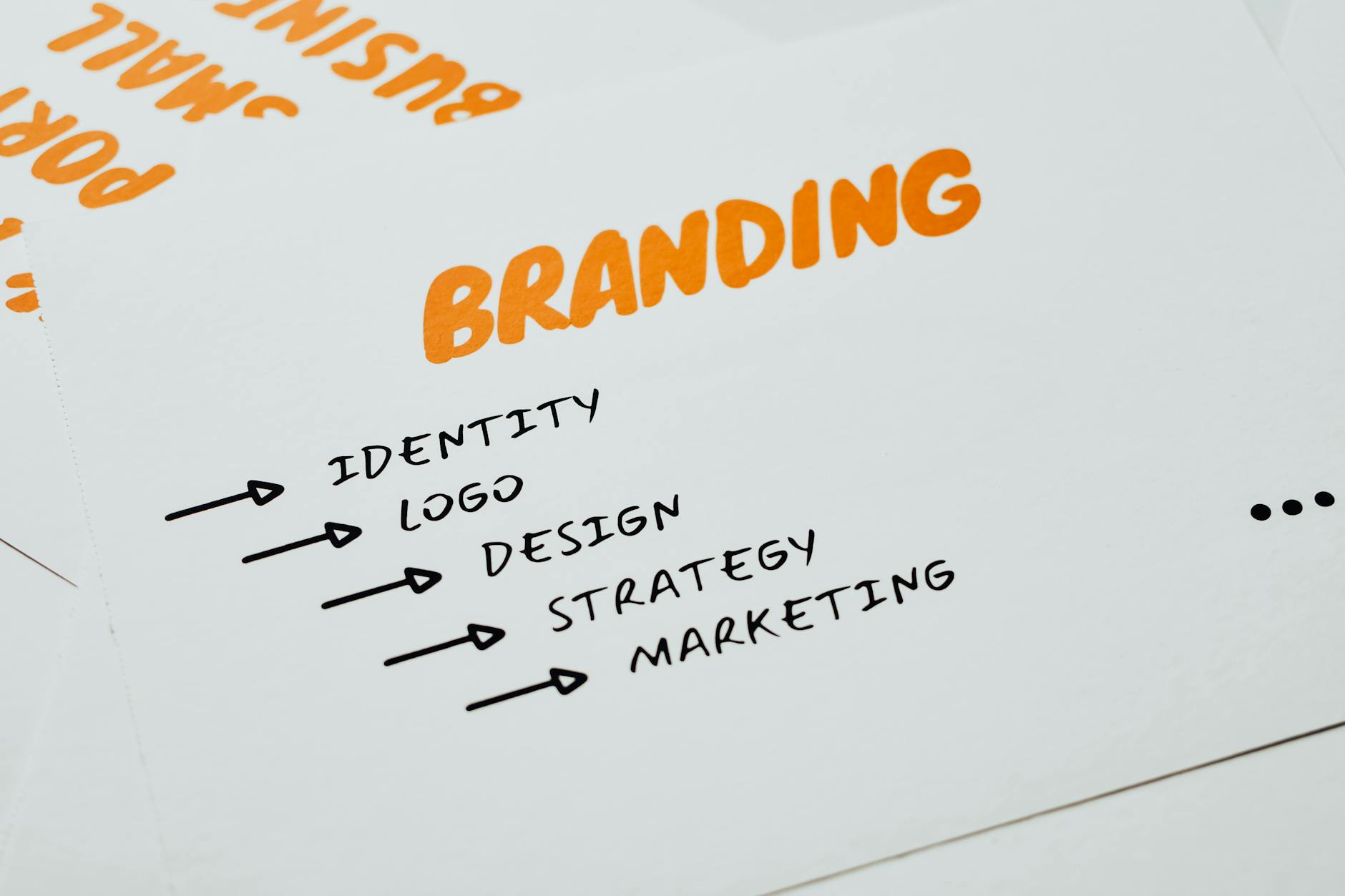
Photo by Eva Bronzini
Ideation Techniques for Creating Renovation Logos
Brainstorming logo ideas can be as exciting as it is daunting. Here are some practical insights to guide you through the ideation process.
Research and References
Start by examining your competitors and gathering visual references. Look for trends in their logos, including color schemes and designs. Check platforms like Pinterest or design inspiration sites to gather ideas. Understanding what works and what doesn’t in the renovation field can spark your creativity.
Sketching Ideas and Concepts
Once you have an idea of what resonates, grab a pencil and start sketching! Don’t worry about perfection at this stage; the goal is to visualize various concepts. You might find that combining different sketches creates an interesting look. Sketching helps in bringing your ideas to life and refining them into a cohesive design.
Utilizing Design Tools
After sketching, consider using tools like the Logo Maker Shop to create and refine your logo designs. This platform offers an array of templates and customization options that can streamline your design process. You can read more about using this tool in detail here.
Inspiring Logo Design Trends in the Renovation Industry
Staying ahead in logo design means keeping an eye on current trends. Here are some innovative approaches relevant to the residential renovation sector.
Minimalist Designs
The minimalist design trend emphasizes simplicity and functionality. By stripping away unnecessary elements, a minimalist logo can create a contemporary look that speaks volumes. This style often feels refreshing and can effectively communicate quality craftsmanship.
Vintage and Retro Styles
Nostalgia plays a powerful role in branding. Vintage styles can evoke feelings of trust and authenticity, making them suitable for renovation brands. Incorporating retro typography or classic color palettes can connect emotionally with clients. This approach often feels warm and inviting, reminiscent of timeless values.
Playful and Creative Representations
Don’t shy away from being playful in your logo design. Whether it’s an abstract representation of a house or whimsical tool arrangements, creativity reflects the unique nature of renovation projects. A fun design can set your brand apart from those with more traditional logos.
Practical Tips for Designing Your Renovation Logo
Here are immediate actions you can take to ensure your logo is effective and appealing.
Test Your Logo Across Different Mediums
Before finalizing your logo, test its visibility across various mediums, including print and digital formats. Check how it appears on business cards, websites, and social media. A logo that performs well in diverse applications enhances brand consistency.
Gather Feedback and Iterate
Don’t hesitate to seek feedback on your logo concepts. Sharing your designs with friends, family, or even potential clients can yield valuable insights. Be open to making adjustments based on the input you receive; iterating can lead to a more polished final product.
Conclusion
Designing a compelling logo in the residential renovation industry requires thoughtful consideration of simplicity, color psychology, and relevant symbols. By embracing current trends and using creative ideation techniques, you can create a logo that truly reflects your brand's identity. Remember, your logo is not just a visual; it’s a powerful tool in attracting and engaging clients. So roll up your sleeves, unleash your creativity, and get started on crafting a logo that stands out in the renovation landscape!

Michael Harper is a Senior Content Strategist at MarketInsider.co, a premier source for insights on digital marketing and business trends. With over 15 years of expertise in content development and strategic communications, Michael is renowned for his ability to craft compelling narratives that resonate with diverse audiences. He holds a Bachelor’s degree in Journalism from New York University and a Master’s degree in Business Administration from Columbia Business School. Outside of work, Michael is passionate about historical literature and enjoys hiking the trails of the Pacific Northwest.