Residential Leasing Industry Logo Design Ideas
In the residential leasing industry, a logo serves as the face of your brand. It’s not just a pretty graphic; it’s a significant element in conveying your business identity and values. A well-designed logo can elevate your brand recognition and create a lasting impression on potential clients. So, how can you ensure your logo stands out in a competitive marketplace? Let’s explore some effective logo design ideas specific to the residential leasing industry.
Key Characteristics of Effective Residential Leasing Logos
Crafting an impactful logo involves carefully considering several crucial elements.
Simplicity and Clarity
A simple logo makes a powerful statement. It’s easier to recognize and remember, which is vital in a bustling market. Think of iconic logos like those of major brands — their simplicity allows them to be imprinted in our minds. For your residential leasing logo, aim for a design that is clear and straightforward, effectively communicating your brand message at a glance.
Color Psychology in Leasing Logos
Colors evoke emotions and perceptions. In the residential leasing sector, choosing the right color palette can align your logo with your brand values.
- Blue: Conveys trust and reliability, great for building confidence with potential renters.
- Green: Symbolizes growth, freshness, and home comfort.
- Neutral tones: Such as beige and gray can reflect sophistication and stability.
By understanding color psychology, you can create a logo that resonates with your audience’s emotions.
Incorporating Relevant Imagery
Images or icons that relate to residential leasing—such as houses, keys, or even abstract forms of homes—can help convey your intent. Use imagery wisely to enhance your brand message without overwhelming the viewer. A well-placed icon can tell your story better than words.
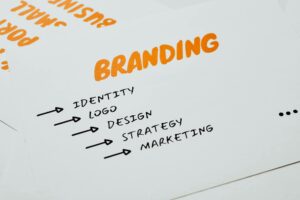
 Photo by Polina Kovaleva
Ideation Techniques for Logo Design
Brainstorming logo ideas can sometimes feel daunting, but several techniques can kickstart your creativity.
Researching Competitors
Look at what your competitors are doing. Analyzing their logos can reveal industry trends and help you identify areas where you can differentiate your brand. Don’t be afraid to take notes on what you like and what you think doesn’t work.
Using Mind Mapping for Concepts
Mind mapping is a great brainstorming tool that allows you to visually organize thoughts. Start with "Residential Leasing Logo" in the center and branch out to ideas, colors, symbols, and styles. It can help you make connections you might not have noticed otherwise and generate fresh concepts.
Iterative Design Process
Creating a logo isn’t a one-and-done task. Develop several drafts and collect feedback from peers, clients, or focus groups. Each iteration can bring you closer to a design that feels right for your brand.
Trends in Residential Leasing Logos
Staying current with design trends can inspire unique branding ideas for your residential leasing company.
Minimalist Designs
The minimalist trend emphasizes clean lines and simplicity. This approach can enhance logo visibility and ensure your branding feels modern and fresh. A minimalist logo often communicates elegance and sophistication, appealing to a more upscale clientele.
Vintage and Retro Aesthetics
There’s a certain charm in vintage logos that evoke a sense of nostalgia. This style can resonate with clients by invoking feelings of warmth and familiarity, making your brand seem more approachable and friendly.
Custom Typography
Unique font styles can be a powerful branding tool. Crafting custom typography not only sets your logo apart but also reinforces your identity. A well-chosen font can express your brand’s character—whether it’s professional, casual, or artistic.
Practical Tips for Designing Your Residential Leasing Logo
Once you have some ideas in mind, it’s time to dive into the design process.
Utilizing Logo Maker Shop Tools
The Logo Maker Shop is an excellent resource for creating your logo efficiently. Its user-friendly platform allows you to design a logo in minutes without needing extensive design skills. Explore different styles and templates that resonate with your vision.
Testing Across Media
Your logo should look great in various formats and sizes. Test it on business cards, websites, and social media profiles. Ensure it retains its essence and clarity, whether seen up close or from a distance.
Feedback and Revisions
Don’t shy away from constructive criticism. Share your drafts with trusted colleagues or friends. Their perspectives can highlight aspects of your design you might have overlooked, making your final product even stronger.
Inspirational Case Studies in Logo Design
Learning from successful brands can ignite your creative spark.
Innovative Branding Strategies
Take note of how established residential leasing companies have used unique logos to enhance their identity. For instance, some brands incorporate local city symbols, making their logo feel more community-oriented.
Customer Engagement through Design
Effective logos engage customers on an emotional level. A compelling logo design can enhance brand loyalty by making clients feel connected to your business.
Conclusion
Designing a thoughtful logo for the residential leasing industry is not just about aesthetics; it’s about capturing your brand identity and values. By focusing on simplicity, color psychology, and relevant imagery, you can create a logo that resonates with your target audience. Don’t forget the importance of utilizing tools like the Logo Maker Shop to bring your ideas to life. Explore your creativity and make your mark in the residential leasing world!

Michael Harper is a Senior Content Strategist at MarketInsider.co, a premier source for insights on digital marketing and business trends. With over 15 years of expertise in content development and strategic communications, Michael is renowned for his ability to craft compelling narratives that resonate with diverse audiences. He holds a Bachelor’s degree in Journalism from New York University and a Master’s degree in Business Administration from Columbia Business School. Outside of work, Michael is passionate about historical literature and enjoys hiking the trails of the Pacific Northwest.