Reinforced Masonry Industry Logo Design Ideas
When stepping into the reinforced masonry sector, having a standout logo is crucial. A well-crafted logo does more than just look appealing; it communicates your brand identity and establishes trust with clients. In a competitive field, your logo serves as the first impression for contractors, builders, and architects, making it imperative to invest thought and creativity into its design. Let’s explore the essential elements and techniques that can guide you in creating an impactful logo for the reinforced masonry industry.
Understanding the Reinforced Masonry Industry
To design a compelling logo for the reinforced masonry sector, you first need to understand its unique characteristics and requirements.
Key Characteristics of Reinforced Masonry Logos
Logos in this industry should embody strength, durability, and professionalism. Reinforced masonry conveys stability and reliability, which are core values for clients looking to undertake significant construction projects. A logo that reflects these attributes can foster trust and set expectations.
Durability can be visually represented through bold fonts and solid shapes, while strength might be illustrated with images that suggest stability—think of iconic structures like bridges or buildings.
Target Audience and Brand Representation
Your logo must resonate with the specific audience you’re trying to reach. In the reinforced masonry industry, these include contractors, builders, and architects. Understanding their needs allows you to create a logo that speaks directly to them.
Consider asking yourself:
- What values do my target audience hold dear?
- How can my logo reflect those values?
For instance, a clean, modern design might appeal more effectively to architects who prioritize aesthetics. In contrast, a bold, strong logo could resonate better with contractors who deal with the structural integrity of projects.
Logo Design Ideation Techniques
Now, let’s dive into some practical techniques for brainstorming and developing logo concepts specifically tailored for the reinforced masonry industry.
Using Symbols and Imagery
Incorporating symbols related to masonry is a fantastic way to enhance your logo’s effectiveness. Think about using elements like bricks, tools, or even pillars. These images create an instant connection to the industry and communicate what you do at a glance.
For example, a logo that features a stylized brick can quickly inform clients of your field, while tools like trowels or levels can evoke craftsmanship and attention to detail.
Color Psychology in Logo Design
Color choice can have a profound impact on how your brand is perceived. In the world of construction, opting for colors that convey trust, reliability, and strength is critical.
- Blues are often associated with trust and dependability.
- Greys suggest stability and professionalism.
- Reds and oranges can portray strength and energy.
Choosing the right colors can significantly influence a client’s perception of your brand.
Inspiring Creativity with Trends and Case Studies
Being aware of current trends can spur creativity and elevate your logo design to the next level.
Current Trends in Logo Design
Modern trends in logo design lean towards minimalism and geometric designs. These styles simplify your logo while retaining its essence, making it more versatile across various media—from business cards to websites.
Aim to create a logo that is immediately recognizable yet uncomplicated, appealing to a broad audience. A clean design can help convey professionalism, essential in the construction business.
Case Studies of Successful Masonry Logos
Consider logos from industry leaders that successfully establish their brands. For example, logos that incorporate strong lines or structural components often leave a lasting impression and stand out in a crowded marketplace. These successful examples can serve as a source of inspiration for your own logo design.
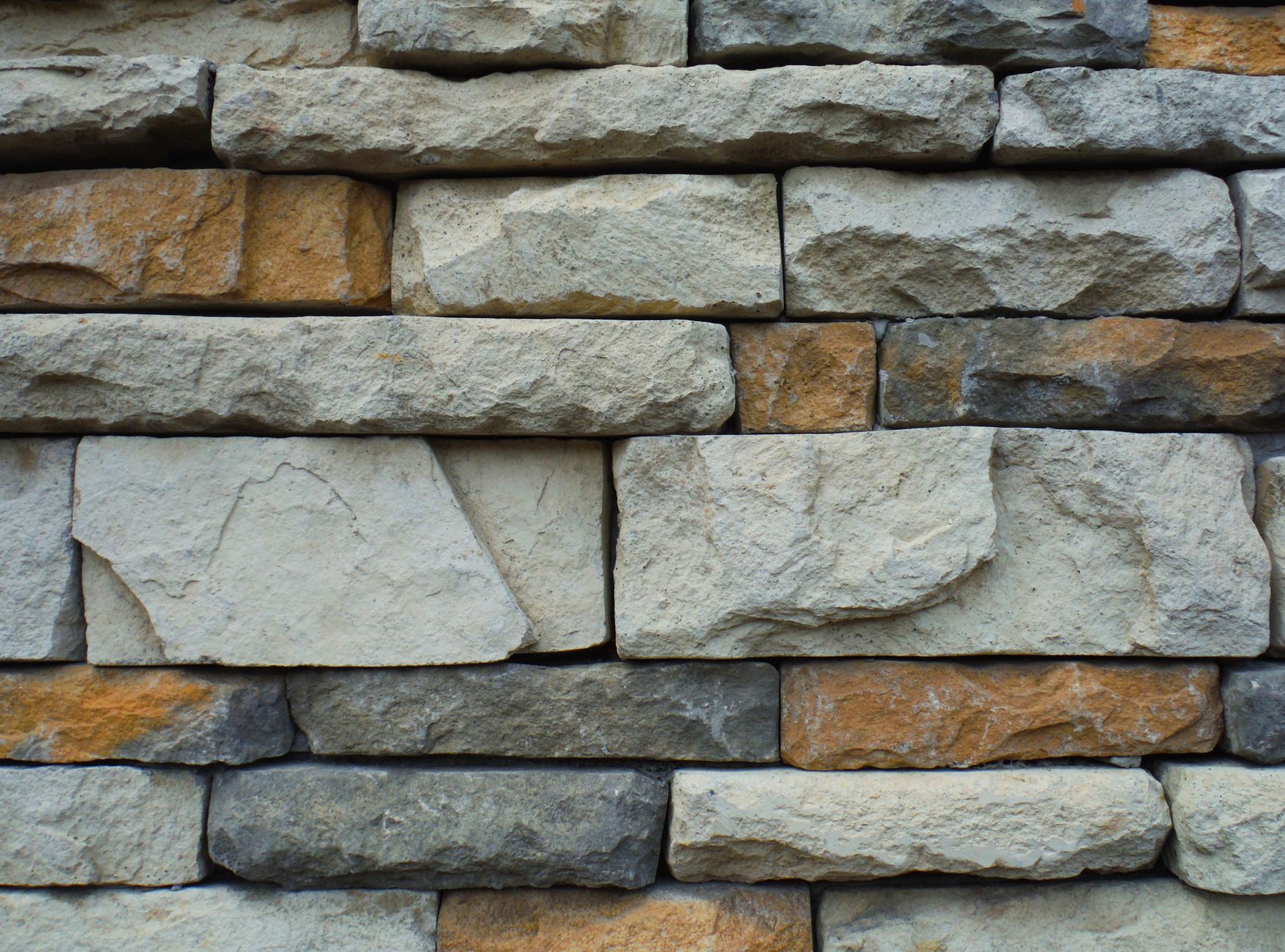
Photo by Miguel Á. Padriñán
Practical Tips for Effective Logo Design
Once you have a clearer vision for your logo, here are some practical tips to help you create a meaningful design.
Iterative Design Process
Designing a logo is often an iterative process that involves gathering feedback and refining your concept. Don’t be afraid to revisit your initial designs and make changes based on feedback from peers or potential clients.
Testing Design Versatility
Ensure your logo works across various mediums and applications. Whether on a business card, website, or large billboard, it should be easily recognizable and maintain its aesthetic appeal. Test different sizes and formats to see if your logo stands strong across the board.
Seeking Professional Help
If you find the design process daunting, consider using professional logo design services like Logo Maker Shop. They specialize in creating tailored designs that cater specifically to the needs of various industries, including reinforced masonry. Their expertise can help you navigate the design process effectively.
Crafting Your Reinforced Masonry Logo
In conclusion, creating a logo for the reinforced masonry industry requires a thoughtful approach that reflects strength, reliability, and professionalism. By understanding your audience, leveraging effective design techniques, and staying informed about current trends, you can develop a logo that resonates with clients and elevates your brand identity.
Remember to engage with design resources like the Logo Maker Shop to explore how to create your own logo and stand out in this competitive industry. Your logo is more than just an image; it's the foundation of your brand's identity. Build it well!

Michael Harper is a Senior Content Strategist at MarketInsider.co, a premier source for insights on digital marketing and business trends. With over 15 years of expertise in content development and strategic communications, Michael is renowned for his ability to craft compelling narratives that resonate with diverse audiences. He holds a Bachelor’s degree in Journalism from New York University and a Master’s degree in Business Administration from Columbia Business School. Outside of work, Michael is passionate about historical literature and enjoys hiking the trails of the Pacific Northwest.