Orthopedic Diagnostic Equipment Industry Logo Design Ideas
In the orthopedic diagnostic equipment industry, a logo serves as more than just a visual marker; it represents trust, professionalism, and expertise in a field that significantly impacts people's lives. When you're creating a logo for a business in this sector, you’re not just designing a symbol; you're building an identity that tells patients and healthcare providers that you prioritize quality and integrity. A well-crafted logo can differentiate your brand and instill confidence in your target audience.
Key Characteristics of Orthopedic Diagnostic Equipment Logos
Designing an effective logo involves understanding the unique characteristics that resonate within the orthopedic industry. Here are several key aspects to consider:
Simplicity and Clarity
A logo should instantly convey its message without overwhelming the audience. Keep your design straightforward and focused. The best logos are often simple, making them easily recognizable and memorable. For instance, you might use basic shapes or minimalistic icons that send a direct message about your practice or equipment. When potential clients see your logo, you want them to grasp its meaning at a glance.
Color Psychology
Color plays a crucial role in how your logo is perceived. In the healthcare field, hues like blue and green dominate because they evoke feelings of stability, trust, and health. For an orthopedic diagnostic equipment logo, consider using:
- Blue: Represents trust and reliability.
- Green: Indicates health and healing.
- Gray or Silver: Conveys professionalism and sophistication.
Choose colors that align with your brand values and that will appeal to your audience.
Symbolic Imagery
Incorporating relevant symbols is key to communicating your brand's essence. Common symbols in orthopedic logos include:
- Bones: Directly represent the field of orthopedics.
- Joints: Emphasize specialized services.
- Medical Symbols: These might include crosses or stethoscopes, conveying a enduring commitment to health.
These symbols reinforce your expertise and resonate well with the audience, making your logo more impactful.
Typography Choices
The font you choose should enhance readability and convey professionalism. Opt for clean, modern typefaces that ensure clarity, particularly when viewed from a distance or in small sizes. Sans-serif fonts work well in healthcare logos, providing a contemporary and sophisticated look. However, don't shy away from unique fonts that can offer personality, just make sure they’re still legible.
Versatility in Design
Ultimately, your logo needs to adapt across various media and formats – from business cards to websites, social media to signage. A versatile design retains clarity and impact, no matter its size. Ensure that your logo looks great in both color and monochrome, as well as in different backgrounds.
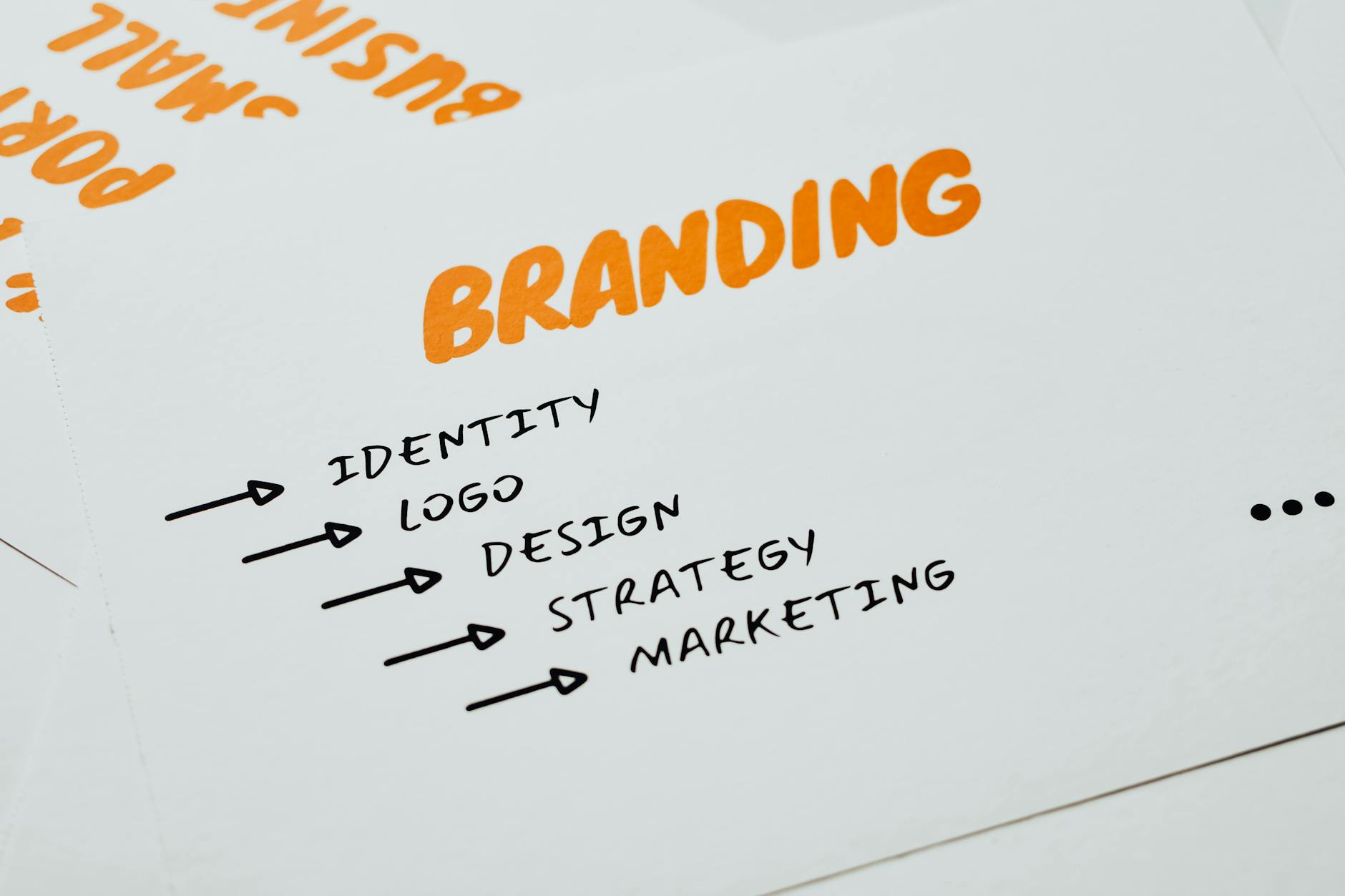
Photo by Eva Bronzini
Logo Design Ideation Techniques
Creating a logo is a process that benefits from brainstorming and experimentation. Here are some ideation techniques to help you get started:
Brainstorming Sessions
Gather ideas from various sources, including your team, potential clients, or even the inspiration found in existing orthopedic logos. Sharing thoughts during a brainstorming session can spark creativity and lead to concepts that might not surface otherwise.
Sketching Ideas
Before hopping onto digital platforms, start with sketches. This way, you can visualize various concepts without the constraints of software tools. Drawing helps in exploring different ideas freely, allowing for a diverse range of designs.
Utilizing Online Logo Makers
Platforms like the Logo Maker Shop offer users a chance to create stunning logos effortlessly. These tools allow you to explore design ideas quickly and easily while offering customization options that encourage creativity.
Inspiring Examples of Successful Orthopedic Logos
Looking at successful logos can ignite your own creativity and clarify what works in the orthopedic field. Let's explore some examples and emerging trends in design.
Innovative Design Trends
Current trends indicate a shift towards minimalist aesthetics, soft colors, and abstract representations of orthopedic themes. For example, logos that incorporate fluid lines may symbolize movement or healing, resonating well with the patient-centered focus of healthcare.
Case Studies of Effective Logos
Brands like "Smith & Nephew" utilize clean typography and a straightforward icon that fosters trust. Analyzing established brands can help you understand how logo design aligns with core values and audience perception.
Practical Tips for Finalizing Your Logo
Once you’ve developed a few options, it’s vital to refine them. Here are actionable insights for perfecting your design:
Collecting Feedback
Seek opinions from target audiences, including healthcare professionals and patients. Understanding how others perceive your logo can provide valuable insights and guide your final revisions.
Testing Across Media
Before settling on your logo, test its application in various formats. Ensure it maintains clarity across digital and print media, making any necessary adjustments to preserve quality.
Refining and Revising
Don’t be afraid to iterate. Refinement is part of the design process. Gather as much feedback as possible and make improvements. You will likely find that tweaks will enhance your logo’s effectiveness.
Wrap-Up and Call to Action
Designing a logo for the orthopedic diagnostic equipment industry involves a thoughtful approach that blends creativity with clarity. Your logo is more than just imagery; it's a representation of trust and professionalism. Remember the importance of simplicity, color psychology, and the right typography as you make your way through the design process.
Don't hesitate to get started on your logo today using the Logo Maker Shop. Explore the wealth of resources available on their blog for more insights on creating impactful logos. Your brand is unique; let your logo reflect that!

Michael Harper is a Senior Content Strategist at MarketInsider.co, a premier source for insights on digital marketing and business trends. With over 15 years of expertise in content development and strategic communications, Michael is renowned for his ability to craft compelling narratives that resonate with diverse audiences. He holds a Bachelor’s degree in Journalism from New York University and a Master’s degree in Business Administration from Columbia Business School. Outside of work, Michael is passionate about historical literature and enjoys hiking the trails of the Pacific Northwest.