Organic Peanut Butter Industry Logo Design Ideas
Branding in the organic peanut butter industry is critical. A well-designed logo distinguishes your product on crowded shelves and communicates your brand’s identity and values. As consumers increasingly seek health-conscious, sustainable options, an effective logo can signal your commitment to quality and authenticity. But what makes an organic peanut butter logo truly stand out?
Understanding the Organic Peanut Butter Market
The demand for organic products is skyrocketing, shifting consumer preferences toward healthier and more sustainable choices. This growth is reshaping branding strategies across various industries, particularly in organic food.
Market Trends in Organic Peanut Butter
With a significant rise in health consciousness, consumers are favoring products that are not only organic but also exhibit transparency in sourcing and manufacturing. Brands that incorporate unique flavors or offer innovative packaging are finding their niche in this competitive market. Sustainability is also a major topic, with many companies focusing on eco-friendly practices.
For more details on current market trends, you can explore the Peanut Butter Market Report 2024.
Target Audience Analysis
Typically, organic peanut butter consumers are health-conscious individuals or families who prioritize nutritional value and environmental responsibility. They expect brands to be genuine in their messaging and practices. Understanding this audience is crucial for creating a logo that resonates with their desires.
Key Characteristics of Effective Logos in the Industry
Logos in the organic peanut butter sector must reflect the essence of the product. Here are some key characteristics that make these logos effective:
Simplicity and Memorability
A logo should be simple enough to be memorable but distinctive to stand out. Think about the most recognizable brands—often, their logos are uncomplicated, allowing swift recognition. A clean design conveys professionalism and quality.
Natural Elements and Colors
Using earthy colors and natural imagery is vital to reflect organic values. Shades of green, brown, and cream evoke a connection to the earth and healthy living. Incorporating elements like peanuts, leaves, or nature motifs can further strengthen this connection.
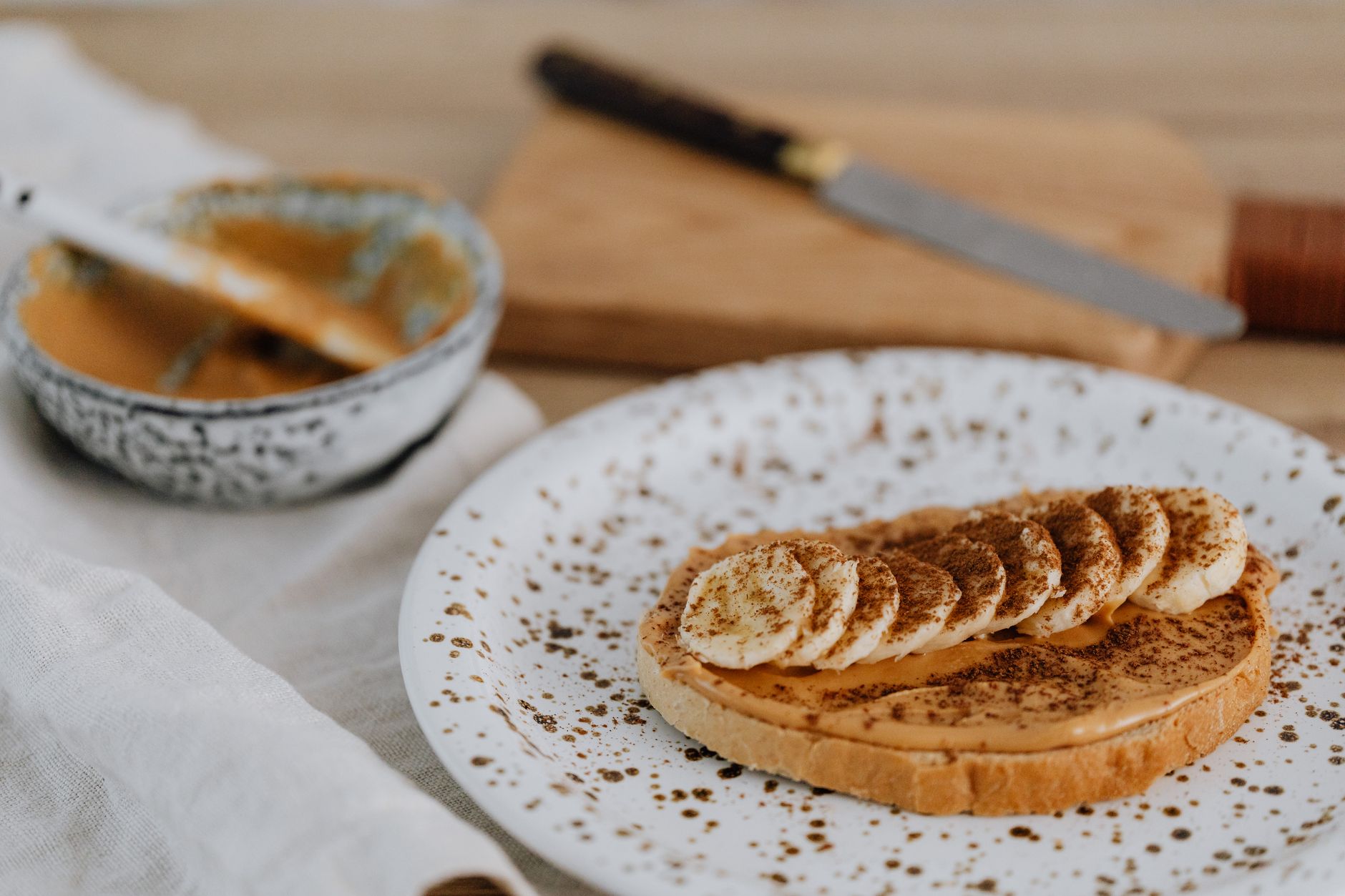
Photo by Kaboompics.com
Typography Choices
Your font choice should mirror your brand’s personality. Fonts that are rounded and friendly evoke warmth and approachability, while a more elegant font can suggest premium quality. It's crucial to choose a font that aligns with your brand’s core values and target audience.
Logo Design Ideation Techniques
Creating a logo can feel daunting, but inspiration is everywhere! Here are some techniques to help generate ideas:
Inspiration from Nature
Look around at the world of nature for organic shapes, textures, and patterns. These can inspire your logo’s design and reinforce your brand’s commitment to organic products. Whether it's the curvature of a peanut or the simplicity of a leaf, nature can be a rich source of ideas.
Utilizing Symbolism
Symbols can enhance brand recognition. Consider incorporating peanuts, trees, or health motifs. Each symbol conveys messages about what your brand stands for—nutritional benefits, organic sourcing, or environmental responsibility.
Conducting Competitor Analysis
Researching your competitors can give insights into effective design strategies. Identify what works (or doesn’t) in their logos and what sets successful brands apart. This process will not only inspire your design but can also help you find gaps in the market.
Successful Case Studies
Seeing what works for existing brands can provide valuable lessons. Here are some successful logos within the organic peanut butter industry to consider:
Case Study: Popular Organic Peanut Butter Brands
Brands such as Justin's and MaraNatha exemplify effective logo design by combining simplicity with a vibrant color palette that reflects their values. Their logos convey health, sustainability, and authenticity, establishing a strong connection with consumers.
Visual Analysis of Iconic Logos
For instance, Justin’s uses a clean, modern font that embodies its playful vibe while incorporating a peanut motif that emphasizes its product focus. This thoughtful design element connects directly to the consumer, building trust and recognition.
How to Create Your Logo with Logo Maker Shop
Creating your logo doesn't have to be complicated. Follow these steps using the Logo Maker Shop to bring your vision to life.
Step-by-Step Logo Design Process
- Initial Concept: Gather inspiration based on what you’ve learned.
- Choose Your Elements: Play with icons, colors, and fonts that reflect your brand.
- Utilize the Logo Maker Shop: Visit Logo Maker Shop and choose templates that resonate with your vision.
- Refine Your Design: Make adjustments to ensure it aligns with your brand's identity.
For detailed guidance, check out this comprehensive resource on how to create logos using Logo Maker Shop.
Customizing Your Logo
Customization allows you to make your logo truly unique. Play around with different configurations of colors, fonts, and icons until it feels just right. Your logo should represent your brand's ethos, so don’t shy away from experimenting!
Conclusion
Thoughtful logo design is essential for any brand in the organic peanut butter industry. Your logo can convey your commitment to quality, health, and sustainability, making a lasting impression on consumers. Take the time to explore, brainstorm, and develop your logo, and consider utilizing tools like Logo Maker Shop to streamline the process. Ready to craft your identity? Start designing today!

Michael Harper is a Senior Content Strategist at MarketInsider.co, a premier source for insights on digital marketing and business trends. With over 15 years of expertise in content development and strategic communications, Michael is renowned for his ability to craft compelling narratives that resonate with diverse audiences. He holds a Bachelor’s degree in Journalism from New York University and a Master’s degree in Business Administration from Columbia Business School. Outside of work, Michael is passionate about historical literature and enjoys hiking the trails of the Pacific Northwest.