Organic Creamer Industry Logo Design Ideas
In the vibrant world of the organic creamer industry, establishing a strong brand identity is vital. The visual representation of your brand, particularly your logo, serves as the first impression. A well-designed logo not only attracts attention but also conveys your commitment to quality and sustainability. This article explores key aspects of effective logo design specific to the organic creamer sector, providing you with innovative ideas and actionable insights.
Key Characteristics of Organic Creamer Logos
Crafting a logo for the organic creamer industry involves unique elements that resonate with the target audience. Here are some pivotal characteristics to consider.
Natural Color Palette
One of the first aspects to focus on is the color scheme. Earthy tones and soft pastels instill a sense of naturalness and purity, key traits associated with organic products. Greens, browns, and whites can evoke freshness and sustainability. Using such colors helps your logo align with the ethos of organic branding, making it more recognizable and approachable.
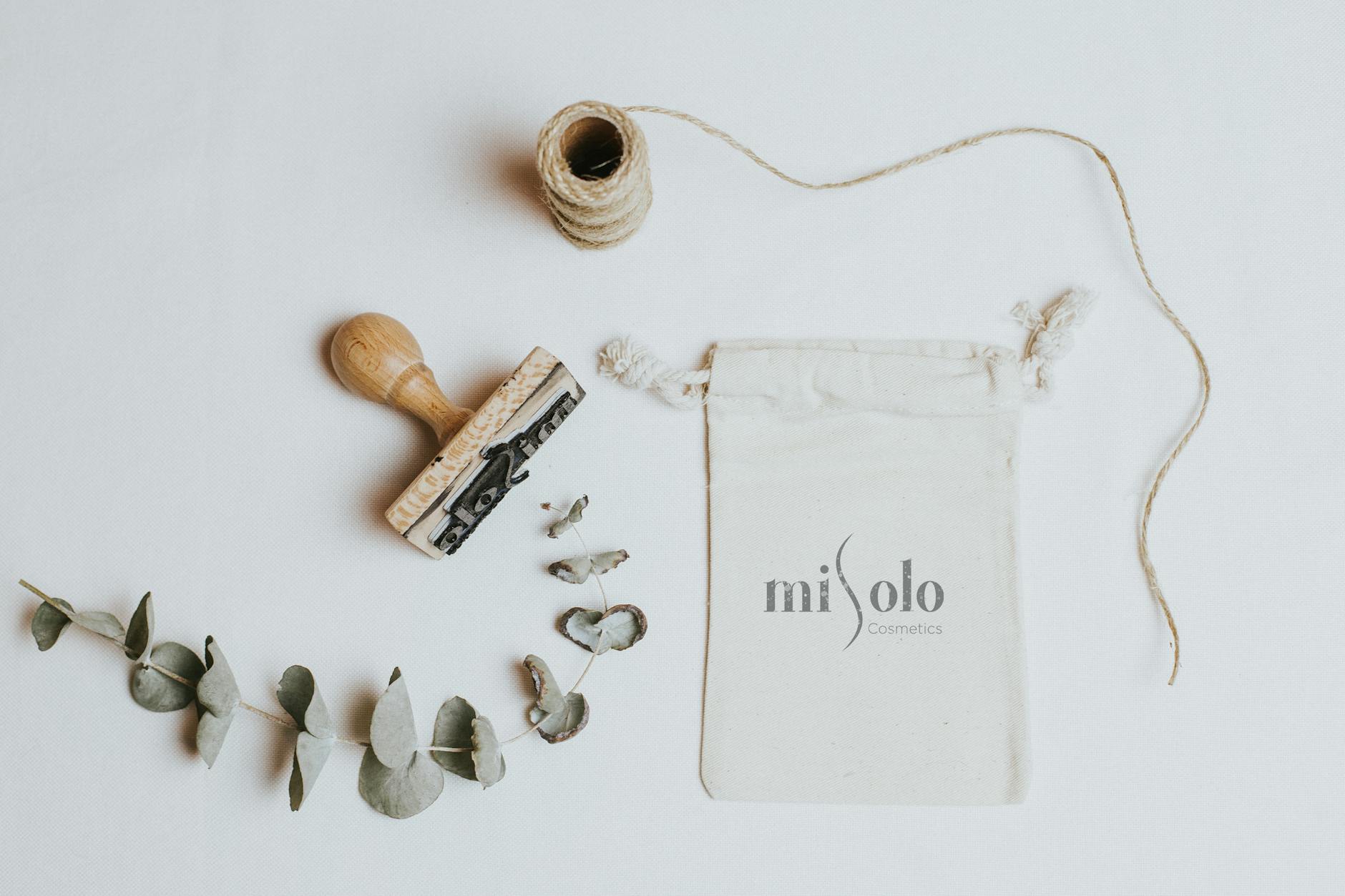 Photo by Misolo Cosmetic
Simplicity and Clarity
In logo design, simplicity reigns supreme. A clear and straightforward logo allows customers to recognize your brand effortlessly. Without unnecessary complexity, your logo communicates the essence of your creamer, whether it's its organic quality or creamy texture. Think of logos like those of successful brands—often, the simplest ones leave a lasting impression.
Incorporating Imagery of Cream or Coffee
Visual elements are powerful tools in logo design. Integrating images like cream swirls or coffee beans can effectively represent your product. Such imagery quickly communicates what you offer and connects emotionally with potential customers. For example, a logo featuring a gentle swirl of cream can make customers envision the smoothness of your product.
Eco-Friendly Symbols
To reflect sustainability, consider including eco-friendly symbols in your logo. Leaves, trees, or even earth motifs signify your commitment to the environment. These elements not only enhance the aesthetic appeal of your logo but also reinforce your organic message, attracting environmentally conscious consumers.
Typography Choice
The typeface you select plays an essential role in presenting your brand's personality. Fonts that appear warm and approachable are ideal for the organic market. Handwritten or rounded fonts can add a personal touch, inviting customers to trust your brand. Ensure that the typography complements the logo's imagery and overall design.
Ideation Techniques for Organic Creamer Logos
Coming up with ideas for your logo can be exciting yet daunting. Here are some practical insights to help streamline your creative process.
Researching Competitors
Start by examining the logos of competitors in the organic creamer space. What works well for them? Identify successful color schemes, imagery, and fonts. This exercise can spark inspiration and help you avoid common pitfalls.
Utilizing Feedback from Target Audience
Engaging your target audience is crucial. Share your logo drafts with potential customers, asking for their opinions. Their perspectives can provide valuable insights, guiding you toward a more effective design.
Exploring Trendy Design Styles
The design landscape is constantly evolving. Stay updated on current logo design trends, especially those relevant to organic products. Explore various styles that might resonate with your target audience while maintaining a connection to the organic ethos.
Successful Case Studies
Learning from established brands can be incredibly beneficial. Here are a few examples of effective logos in the organic creamer sector that provide inspiration.
Case Study: Popular Organic Creamer Brands
Take a closer look at logos from leading brands in the organic creamer industry. Notice how they utilize color, imagery, and typography to communicate their values. For instance, a well-known brand might combine natural colors with a clear font, enhancing brand recall.
Visual and Conceptual Inspirations
Consider innovative logo concepts that creatively embody the organic philosophy. Look for designs incorporating elements from nature, like plant life or soil. These concepts can set your brand apart in a competitive market and resonate more deeply with your audience.
Logo Design Tools and Resources
Once you’ve gathered your ideas, it’s time to bring them to life. The Logo Maker Shop can be a fantastic resource for creating unique logos tailored to the organic creamer industry.
Using the Logo Maker Shop
Creating your logo is simple with the Logo Maker Shop. The user-friendly platform allows you to design your logo in just minutes. You'll have access to a variety of templates tailored to the organic niche, facilitating a smoother creative process. Give it a try, and watch your ideas transform on screen!
Exploring Online Resources
For further learning, check out resources available on the Logo Maker Shop's blog. You'll find a wealth of information on logo design trends, tips for improving your designs, and much more. This knowledge can enhance your logo creation experience, ensuring a well-rounded approach.
Conclusion
Creating an impactful logo for the organic creamer industry is crucial for establishing your brand identity. By focusing on the key characteristics of organic logos—like natural color palettes, simplicity, and eco-friendly imagery—you can craft a logo that resonates with your audience. Remember to utilize the insights and tools discussed above to create a logo that not only reflects your brand’s ethos but also stands out in a competitive market. Start designing your unique logo today and let your brand shine with creativity and authenticity!

Michael Harper is a Senior Content Strategist at MarketInsider.co, a premier source for insights on digital marketing and business trends. With over 15 years of expertise in content development and strategic communications, Michael is renowned for his ability to craft compelling narratives that resonate with diverse audiences. He holds a Bachelor’s degree in Journalism from New York University and a Master’s degree in Business Administration from Columbia Business School. Outside of work, Michael is passionate about historical literature and enjoys hiking the trails of the Pacific Northwest.