Online Electronics Industry Logo Design Ideas
Creating a compelling logo for the online electronics industry involves tapping into a blend of innovation, technology, and your brand identity. A logo isn’t just a pretty picture; it’s the visual cornerstone of your brand, communicating your values and mission at a glance. A strong logo can set you apart in a crowded market, setting the stage for your business's success.
Key Characteristics of Electronics Industry Logos
Modern Design Elements
Logos in the electronics sector often embrace modern design principles. Think sleek lines and geometric shapes that capture attention and reflect the industry’s innovative spirit. For instance, logos that incorporate angular designs can hint at speed and efficiency, qualities desirable in any tech-based enterprise.
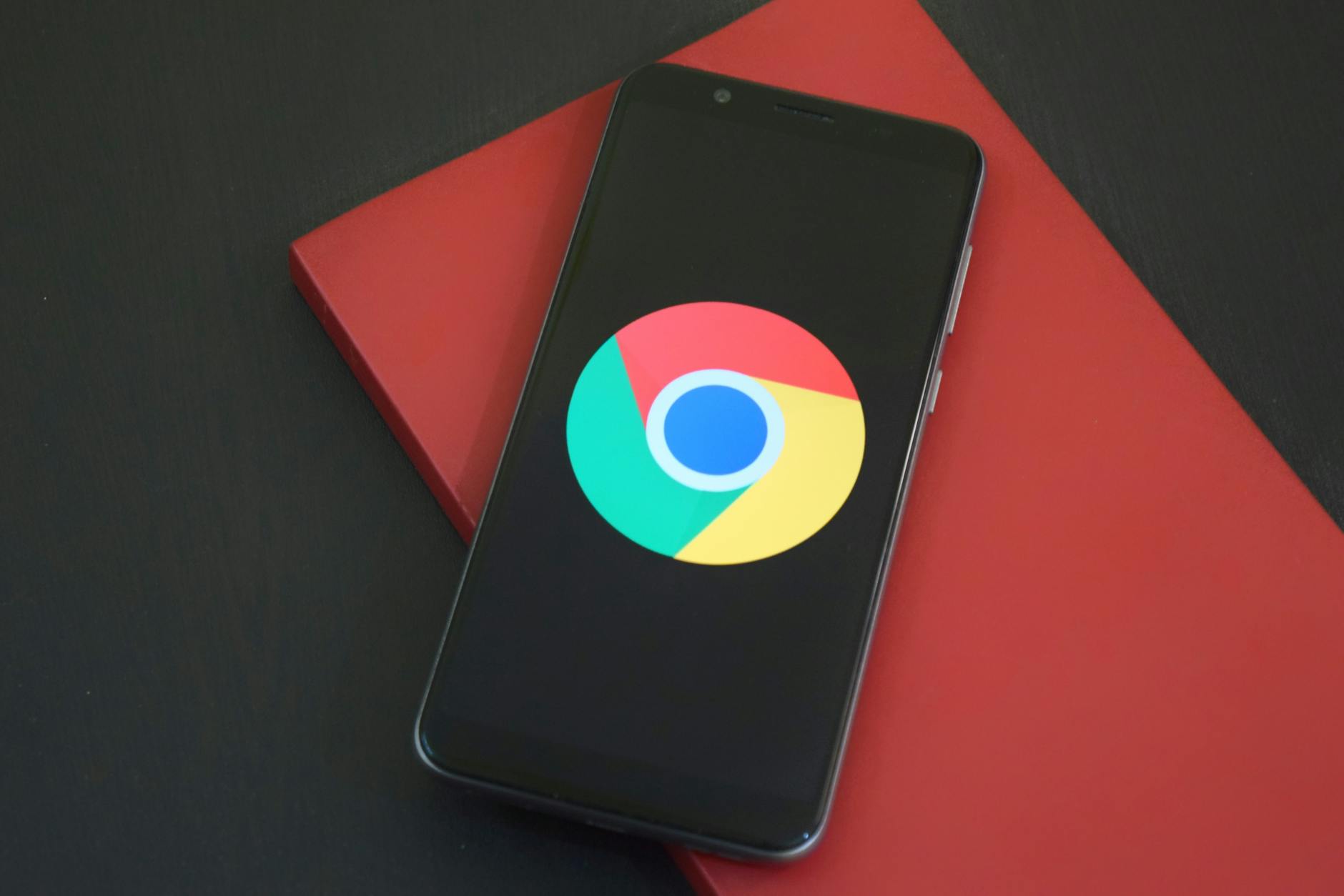
Photo by Deepanker Verma
Color Psychology in Electronics Logos
Color plays a crucial role in logo design, and the electronics industry often leans on colors like blue, silver, and black. Blue conveys trust and reliability, making it popular among tech companies like IBM and Intel. Silver adds a touch of sophistication and modernity, while black often projects boldness and elegance. Understanding color psychology can help you choose hues that not only look good but also resonate with your audience.
Symbolism and Imagery
When it comes to imagery, electronics logos frequently utilize symbols representing technology. Circuit patterns, power symbols, or digital motifs can all effectively communicate your brand's focus on innovation. These symbols act as visual shorthand, making it instantly clear what your brand is about.
Ideation Techniques for Logo Design
Mind Mapping Your Brand Concept
A great starting point for developing your logo is mind mapping. This technique helps you visually organize your ideas. Begin by writing your brand’s core values in the center and branching out with concepts and words that resonate. This method helps you explore various visual ideas that can be encapsulated in your logo.
Sketching Initial Ideas
Don’t underestimate the power of pencil and paper. Sketching allows you to free your creativity and visualize concepts before refining them electronically. Even rough sketches can help clarify your vision, so don’t hesitate to doodle your way to a fantastic design.
Utilizing Online Tools
If you’re feeling stuck or are short on time, the Logo Maker Shop is a powerful tool that can make logo creation easier. It allows you to design a logo in just a few minutes, with plenty of templates specifically crafted for the electronics industry.
Trends in Electronics Industry Logo Design
Minimalism in Logo Design
A significant trend in logo design today is minimalism. Brands are opting for clean and simple designs that create a lasting impact. Minimalism can declutter your brand’s visual identity, making it easier for customers to remember you. This trend resonates particularly well in tech spaces, where complexity often overwhelms.
3D and Dynamic Logos
3D effects and animated logos are gaining momentum, particularly in the digital realm. These designs attract attention and add an extra layer of engagement, presenting your brand as modern and dynamic. Consider exploring how subtle animations can enhance your logo’s visual appeal.
Sustainability and Eco-Friendly Imagery
As the world shifts toward sustainability, incorporating eco-friendly symbols into your logo design can enhance your brand's appeal. This trend not only reflects a commitment to environmental responsibility but also resonates with a growing audience of conscious consumers.
Successful Examples of Electronics Logos
Case Study: Leading Electronics Brands
Look at brands like Samsung and Apple; their logos effectively capture their essence. Samsung’s simple yet bold typeface speaks to reliability, while Apple’s iconic apple silhouette is synonymous with innovation and design. These logos are memorable, unique, and reflective of their brand identities.
Innovative Startups and Their Logos
Startups continually challenge conventional designs. Brands like Nest and Xiaomi have established memorable identities through unique logos that cleverly incorporate technology-related imagery. These logos not only look good but also tell a story about their respective brands.
Designing Your Own Electronics Logo
Step-by-Step Guide to Using Logo Maker Shop
Creating your unique electronics logo is straightforward with the Logo Maker Shop. Here’s a simple guide:
- Visit the Logo Maker Shop: Go to the website and find the logo design tool.
- Choose Your Industry: Select "Electronics" to see templates tailored for you.
- Pick a Template: Browse through options and choose one that resonates with your vision.
- Customize the Design: Modify colors, fonts, and symbols until it reflects your brand.
- Download Your Logo: Once satisfied, download your logo and use it across your platforms.
Refining Your Logo Concept
Feedback is essential. Share your logo designs with trusted peers or potential customers to gather insights. Consider their feedback and make necessary adjustments. A few iterations may be needed before you find the perfect design that represents your brand identity.
Conclusion
In conclusion, a well-crafted logo serves as the cornerstone of your brand identity in the online electronics industry. With a focus on modern design elements, color psychology, and strategic symbolism, you can create a logo that genuinely reflects your brand's essence. Embrace practices like mind mapping and sketching, and utilize the Logo Maker Shop to bring your ideas to life. With attention to current trends and successful examples, you're well on your way to designing an impactful logo that connects with your audience and enhances your business's visibility.

Michael Harper is a Senior Content Strategist at MarketInsider.co, a premier source for insights on digital marketing and business trends. With over 15 years of expertise in content development and strategic communications, Michael is renowned for his ability to craft compelling narratives that resonate with diverse audiences. He holds a Bachelor’s degree in Journalism from New York University and a Master’s degree in Business Administration from Columbia Business School. Outside of work, Michael is passionate about historical literature and enjoys hiking the trails of the Pacific Northwest.