Gas Distribution Industry Logo Design Ideas
Creating an effective logo is crucial in the gas distribution industry. A logo is more than just a symbol; it encapsulates your brand's identity and values. It sets the tone for your business and forms the first impression for your clientele. A well-designed logo can communicate reliability, safety, and professionalism, reflecting the nature of services provided.
Understanding the Gas Distribution Industry
The gas distribution industry plays a vital role in delivering natural gas to residential, commercial, and industrial customers. It involves infrastructure, safety regulations, and an ever-evolving landscape driven by technological advancements. Businesses in this sector must navigate strict compliance and public perception. That's why a strong visual representation, like a logo, is essential. It must symbolize the core values of the industry, such as reliability and trustworthiness.
Key Characteristics of Effective Gas Distribution Logos
A successful logo for a gas distribution company should capture the industry's essence. Here are some defining characteristics that can contribute to effective logo design in this sector:
- Reliability: Logos should instill confidence. A trustworthy logo can help build customer loyalty.
- Safety: Safety is paramount in the gas industry. Every design choice should reflect a commitment to secure operations.
- Professionalism: A polished logo design shows that you take your business seriously. It speaks volumes about your attention to detail and commitment to excellence.
Logo Design Principles for the Gas Industry
To create an impactful logo, there are several design principles to consider.
Simplicity and Clarity
A straightforward design enhances brand recognition. Logos should be easy to identify and remember. Think of iconic logos that stand the test of time; they often embody simplicity in their designs. Clear designs are particularly important in the gas distribution industry since your logo may appear on trucks, uniforms, and various marketing materials.
Color Psychology in Gas Distribution Logos
Colors evoke emotions and perceptions. Here are some common colors used in gas distribution logos:
- Blue: Represents reliability and trust.
- Green: Suggests safety and environmental consciousness.
- Yellow: Often associated with caution, relevant in the context of safety in gas distribution.
Selecting the right colors can reinforce your brand message and align with your customer’s expectations.
Typography Choices for Gas Logos
The choice of font is equally important. Typography conveys your brand's tone. For gas distribution logos, opt for bold, clean fonts. This indicates strength and clarity, essential traits in a sector that deals with potentially hazardous materials. Look for options that reflect professionalism and approachability.
Ideation Techniques for Creating Gas Distribution Logos
Crafting a unique logo can be a creative journey. Here are some actionable insights to help you brainstorm and develop your concepts.
Mood Boards for Inspiration
Creating a mood board can be beneficial in the early stages of design. Gather images, colors, and typography that resonate with your brand identity. This visual compilation can spark ideas and help narrow down choices.
Competitor Analysis
Take a look at competitors' logos to understand trends in the industry. What works well? What doesn’t? Analyzing their designs can inspire your logo while helping you identify what sets your brand apart. Aim for uniqueness to ensure your logo doesn't blend in.
Sketching Ideas and Gaining Feedback
Start sketching your initial ideas. This is often where the magic happens! Draw multiple variations and then refine your favorites. After that, seek feedback from peers or potential customers. Fresh perspectives can reveal insights that you may have overlooked.
Inspiring Logo Designs in the Gas Distribution Sector
Exploring successful cases can provide valuable insights into effective logo design.
Case Study: Successful Gas Logos
Consider companies like Gazprom and Duke Energy. Their logos utilize striking visuals and thoughtful color choices that convey strength and trust. Each logo aligns seamlessly with their corporate identity while ensuring memorability.
Emerging Trends in Logo Design for Gas Distribution
Keeping an eye on design trends is crucial. Currently, minimalism is gaining traction, focusing on essential elements without clutter. Furthermore, adaptable logos that can function well in digital mediums are increasingly becoming a norm. Explore these avenues for a contemporary take on your gas distribution logo.
Utilizing Logo Maker Shop for Your Design Needs
When it comes to creating a logo for your gas distribution business, the Logo Maker Shop is an exceptional resource. You can design customized logos tailored to your brand's needs quickly and easily.
Step-by-Step Guide to Using Logo Maker Shop
To get started, head over to Logo Maker Shop. The platform is user-friendly and allows you to take your logo vision from concept to creation. For a deeper dive into the process, visit their guide on how to create logos with Logo Maker Shop.
Conclusion and Call to Action
Designing a logo for the gas distribution industry is an exciting opportunity to reflect your brand's identity. By focusing on reliability, safety, and professionalism, you can create a lasting impression on clients. Utilize effective principles like simplicity and color psychology, and don't shy away from exploring various ideation techniques. Remember, the Logo Maker Shop is at your service to make this design journey seamless. Start crafting your logo now and position your business for success in this essential industry!
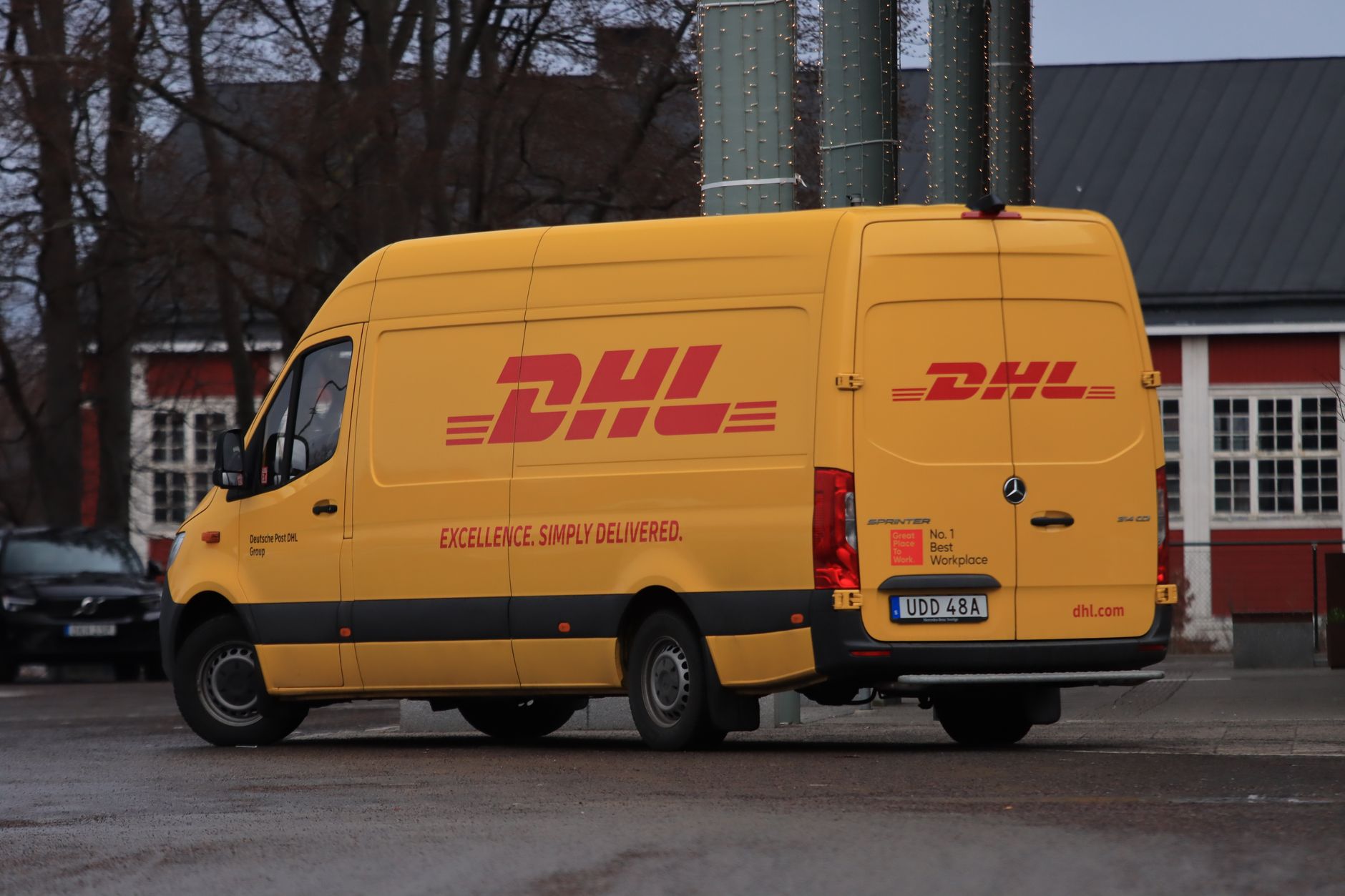
Photo by Efrem Efre

Michael Harper is a Senior Content Strategist at MarketInsider.co, a premier source for insights on digital marketing and business trends. With over 15 years of expertise in content development and strategic communications, Michael is renowned for his ability to craft compelling narratives that resonate with diverse audiences. He holds a Bachelor’s degree in Journalism from New York University and a Master’s degree in Business Administration from Columbia Business School. Outside of work, Michael is passionate about historical literature and enjoys hiking the trails of the Pacific Northwest.