Futures Market Industry Logo Design Ideas
In the fast-paced world of finance, a distinctive logo plays a critical role in shaping a brand’s identity, especially within the futures market industry. A well-crafted logo not only helps in attracting potential clients but also communicates your firm's values and professional standards at a glance. The right design captures the essence of your organization and sets you apart from competitors.
Understanding the Futures Market
Definition of Futures Market
The futures market is a financial arena where participants can buy and sell contracts for future delivery of assets like commodities, currencies, or indices. Buyers of futures contracts agree to purchase an asset at a predetermined price at a specific date in the future, while sellers commit to delivering the asset. This market is vital for price stability and risk management, enabling traders to hedge against price fluctuations.
Importance of Branding in Futures Trading
Strong branding in futures trading is essential as it builds trust and recognition among clients. A cohesive brand identity leads to better retention, higher engagement, and establishes your organization as a credible player in the financial sector. An impactful logo is the cornerstone of this identity, serving as a visual representation of your values and positioning.
Characteristics of Effective Logos in the Futures Market
Simplicity and Recognition
A simple and clear logo design enhances brand recognition. Think about the biggest brands in finance; their logos are often uncomplicated yet memorable. Simple designs are more versatile and easier to recognize across various media, ensuring that your logo stands out in a crowded market.
Color Psychology in Trading Logos
Colors evoke emotions, and understanding color psychology is crucial when designing a logo. For instance, blue often conveys trust and dependability, making it a popular choice in financial services. Green symbolizes growth and stability, while red may signify risk. Choose colors wisely to reflect the essence of your brand.
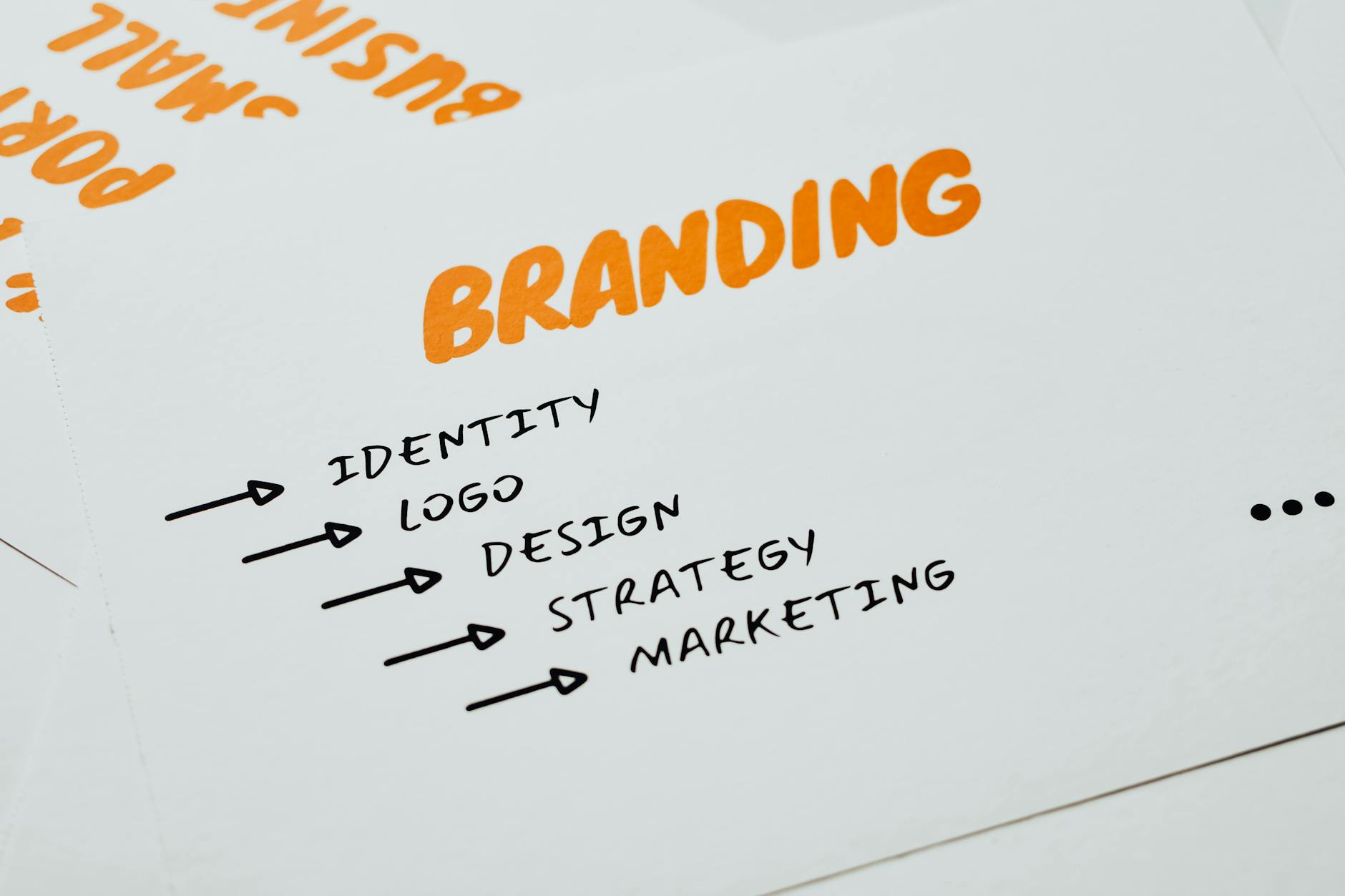
Photo by Eva Bronzini
Typography Choices
The font you choose carries a lot of weight in your logo design. Fonts like sans-serif present a modern feel, while serif fonts often communicate tradition and stability. Effectively selecting typography can enhance professionalism, making your logo resonate more with your target audience.
Symbolism and Imagery
Symbols in your logo can convey specific messages. For example, arrows may represent growth, while graphs can illustrate market data. Including imagery that reflects the nature of your business can help viewers understand your focus at first glance. Always ensure that your symbols are aligned with the values of the futures market.
Ideation Techniques for Logo Design
Research and Inspiration Gathering
Before sketching ideas, dive into existing logos within the market. Analyze competitors and other successful brands to gather inspiration. Take note of what elements resonate with you and your mission, ensuring you maintain originality in your designs.
Utilizing Online Logo Makers
Consider using the Logo Maker Shop, which offers an intuitive platform to craft unique logos tailored for the futures market. With various templates and customization options, creating your brand's identity becomes a streamlined process.
Sketching and Prototyping
Never underestimate the value of sketching your ideas. The physical act of drawing can stimulate creativity and help you visualize your concepts in a straightforward way. Start with several rough sketches before narrowing down to your top choices for digital rendering.
Current Trends in Logo Design for the Futures Market
Minimalist vs. Complex Designs
Trends are constantly evolving, and in the futures market, minimalist designs are gaining traction. They often communicate clarity and straightforwardness, which resonates well with clients. However, complex logos can also tell a richer story if executed correctly. Consider what best reflects your brand’s message and ethos.
Interactive Logos
Interactive logos are a growing trend in the digital space. Consider how animated versions of your logo could catch the attention of online traders. They can enhance user engagement but must maintain professionalism to align with the values of finance.
Eco-friendly and Sustainable Branding
With a rising global consciousness about sustainability, many companies are shifting toward eco-friendly branding. This could include using earthy colors and sustainable materials in your marketing efforts. Reflecting these values in your logo design can elevate your brand image significantly.
Case Studies: Successful Futures Market Logos
Analysis of Top Trading Firms
Brands like CME Group and NYSE have logos that clearly communicate their reputable status. Their clever use of symbols and typography ensures they are instantly recognizable and project professionalism. These companies serve as perfect examples of how a logo can influence brand perception.
Lessons from the Best Practices
To wrap it up, the key lessons from successful futures market logos include keeping it simple, aligning colors and typography with brand values, and being mindful of market trends. Ensure your design speaks to your audience while reflecting your organization's core principles.
Bringing Your Futures Market Logo to Life
The journey of creating a logo for your futures market brand can be exciting. With the insights shared, you're well-equipped to embark on this venture. Don’t hesitate to explore and experiment. Remember to keep your audience in mind and let your creativity flourish as you design a logo that embodies your brand's identity.
For more in-depth guidance and tools for your logo creation journey, visit the Logo Maker Shop for personalized support and features to kick off your logo design process.

Michael Harper is a Senior Content Strategist at MarketInsider.co, a premier source for insights on digital marketing and business trends. With over 15 years of expertise in content development and strategic communications, Michael is renowned for his ability to craft compelling narratives that resonate with diverse audiences. He holds a Bachelor’s degree in Journalism from New York University and a Master’s degree in Business Administration from Columbia Business School. Outside of work, Michael is passionate about historical literature and enjoys hiking the trails of the Pacific Northwest.