Functional Pottery Industry Logo Design Ideas
In the functional pottery industry, a logo is more than just a design; it's a representation of your brand. Your logo communicates craftsmanship, values, and passion for your work. A well-crafted logo can help your pottery business stand out in a crowded market and leave a lasting impression on your customers. In this article, you'll discover effective strategies for creating a memorable logo that resonates with your audience and reflects your unique style.
Key Characteristics of Functional Pottery Logos
Reflecting Craftsmanship and Authenticity
Craftsmanship is at the heart of functional pottery. Your logo should capture this essence. Use symbols or images that represent handmade items, such as a pottery wheel or sculpting tools. A logo that embodies your artisan skills communicates authenticity and creates a connection with potential customers. Think about how your logo can showcase your unique techniques and the story behind your pottery.
Use of Earthy Colors and Natural Elements
Colors play a significant role in evoking emotions. In the pottery world, earthy tones like terracotta, browns, and greens can connect with the materials used in your creations. These colors not only reflect the natural elements of clay but also evoke feelings of warmth and comfort. Choose a color palette that represents your style and complements your product line. This visual connection can make your logo memorable and relevant.
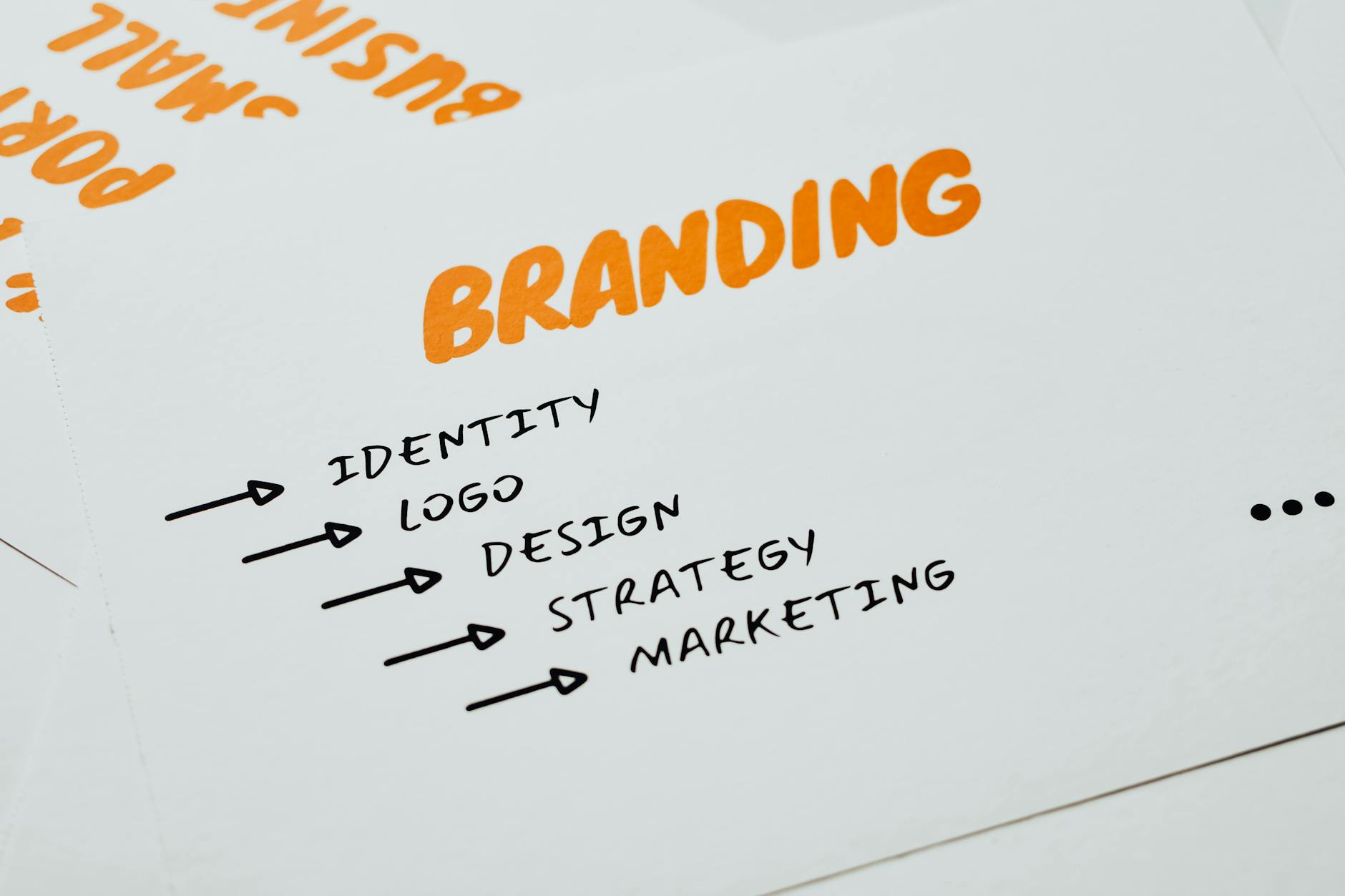
Photo by Eva Bronzini
Typography Choices that Speak to the Brand
Your choice of typography can greatly enhance your brand message. Opt for fonts that reflect the essence of your pottery. Curvy, hand-drawn fonts can suggest a relaxed, artisanal vibe, while clean, modern fonts signify contemporary designs. Consider the emotional response you want to evoke and choose font styles that align with that vision. A carefully selected typography can make your brand instantly recognizable.
Ideation Techniques for Pottery Logo Design
Analyzing Competitor Logos
A valuable step in the logo creation process involves studying competitor logos. Identify what works well in their designs and analyze how they reflect their brand identities. While it's essential to draw inspiration from others, aim for uniqueness. You want your logo to stand out in a sea of similar designs. Conduct a visual inventory of your competitors and identify what differentiates you from them.
Utilizing Design Principles
Keep design principles, such as balance, alignment, and contrast, in mind as you brainstorm your logo concepts. A well-balanced logo catches the eye and conveys professionalism. Proper alignment ensures that all elements of your logo fit together harmoniously. Additionally, contrast can help important elements stand out, making your logo more impactful. Familiarize yourself with these principles to create a polished design.
Mind Mapping and Sketching Ideas
Don't underestimate the power of visual brainstorming! Start with a mind map focusing on your brand values, target audience, and what you want your logo to communicate. This method stimulates creativity and helps organize your thoughts. Sketch out various ideas based on your mind map. You might be surprised at what emerges from your doodles.
Inspiring Examples of Successful Pottery Logos
Case Studies of Innovative Pottery Brands
Take a look at some successful pottery brands to see how they've established their identities through logos. Brands like Heath Ceramics and Mud Australia have logos that embody their craftsmanship. Their logos not only represent their products but also evoke the feel of their brand stories. Analyzing these case studies can offer valuable insights into what resonates with customers in the pottery industry.
Exploring Trends in Pottery Logo Design
Logo design trends evolve over time, and the pottery industry is no exception. Recent trends include minimalistic designs and the use of geometric shapes. These styles can convey modernity while still referencing traditional techniques. Staying updated on design trends can inspire your logo and keep your brand fresh. Embrace trends that align with your brand's values and vision.
Incorporating Customer Feedback into Design
Don't forget about the value of audience input! After creating initial designs, gather feedback from friends, family, or past customers. Understanding how others perceive your logo can guide your refinements. It’s essential to create a logo that resonates with your target market. This way, you ensure your logo is not only visually appealing but also meaningful.
Practical Tips for Creating Your Pottery Logo
Using Logo Maker Shop for Design Process
Starting your logo design journey can be overwhelming, but it doesn't have to be. The Logo Maker Shop offers a user-friendly platform to create your pottery logo in just a few clicks. With a library of design elements, colors, and fonts, you can customize your logo to reflect your unique style. This tool makes the logo creation process accessible, even for those without design experience.
Finalizing Your Logo for Different Formats
Once you've crafted your logo, make sure it's versatile for various applications. Your logo should look great on business cards, website headers, and social media profiles. Consider creating different versions of your logo—for example, a simple icon for social media and a full logo for printed materials. Versatile designs ensure brand consistency across all platforms and products.
Conclusion
Creating an impactful logo for your functional pottery business involves thoughtful consideration of design elements, audience perception, and brand identity. By reflecting craftsmanship, using earthy colors, and incorporating unique typography, your logo can tell your story effectively. With practical brainstorming techniques and inspiration from successful brands, you're well on your way to designing a logo that stands the test of time. So, embrace your creativity, take advantage of the resources available, and begin your logo creation journey today!

Michael Harper is a Senior Content Strategist at MarketInsider.co, a premier source for insights on digital marketing and business trends. With over 15 years of expertise in content development and strategic communications, Michael is renowned for his ability to craft compelling narratives that resonate with diverse audiences. He holds a Bachelor’s degree in Journalism from New York University and a Master’s degree in Business Administration from Columbia Business School. Outside of work, Michael is passionate about historical literature and enjoys hiking the trails of the Pacific Northwest.