E-Commerce Logo Design Ideas That Wow
Want to make your e-commerce store stand out? A compelling logo is key. This guide gives you industry-specific logo ideas and design tips for boosting your brand's visibility. Get ready to discover how a well-crafted logo can turn your online business into a hit.
Key Characteristics of E-Commerce Logos
A memorable e-commerce logo needs specific traits to thrive online. Think about color schemes, fonts, and imagery. These elements work together to build trust and recognition in the digital marketplace. Use a professional logo design to build credibility and give your customers a reason to choose you.
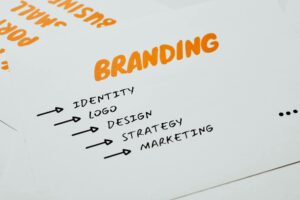
 Photo by Kaboompics.com
Color Palette Choices
Colors evoke feelings. A bold, bright color palette might suggest energy, while muted tones could evoke sophistication. Consider your target audience and your brand's personality. For example, a vibrant color scheme like the one used by a retailer, like Target, can convey a playful, modern feel. But a retailer like Nordstrom might opt for a more sophisticated palette to convey luxury. The Logo Maker Shop can help you explore color combinations that align with your brand. Learn about color psychology to select the best options for your brand.
Typography for Online Brands
The right font conveys your brand's personality. A classic serif font can project sophistication, while a modern sans-serif font can suggest innovation. Think about how the font complements your brand's overall look. Consider readability as well. Your logo needs to be legible on various devices, even small screens, and on different products. Using the Logo Maker Shop, explore different fonts that suit your target market.
Imagery and Symbolism in E-Commerce
Choose images that reflect your brand values and target audience. A logo featuring a friendly cartoon character might appeal to families, while a sleek, modern design might resonate with tech-savvy buyers. The Logo Maker Shop has templates that use this principle to help you design a logo that is not just effective but also memorable for customers.
Logo Design Ideation Techniques
Turning ideas into a logo requires the right methods.
Brainstorming Techniques for Logo Concepts
Start by brainstorming diverse logo ideas. Use mind maps or keyword associations to spark fresh ideas. Generate ideas based on your target audience. Remember to sketch out different concepts to see which ones feel right for your e-commerce business.
Mood Boards and Visual Inspiration
Mood boards provide inspiration for logo ideas. Gather images and colors that resonate with your brand and align with your ideal target audience. This helps you refine your logo design goals.
Sketching and Prototyping
Sketching your logo ideas is a helpful way to visualize concepts. Using sketching exercises, develop different ideas to see what resonates with you. Prototype your logo ideas to test the design's practicality.
Practical Tips for Logo Design
Creating a compelling e-commerce logo requires careful consideration.
Logo Maker Shop Tips
The Logo Maker Shop empowers everyone to create professional logos. Using its tools and process, quickly develop an e-commerce logo that visually reflects your brand. You don't need design expertise to use the Logo Maker Shop. Using the Logo Maker Shop, you can create an effective and memorable logo that sets your business apart from the competition.
Logo Evolution and Trends
Logos evolve over time, staying relevant in design trends.
E-Commerce Logo Case Studies
Analyze successful e-commerce logos. Understand how these logos reflect the brand's values. Analyze how these logos use color, typography, and imagery to create a lasting impression.
Conclusion
A well-designed logo can significantly impact your e-commerce success. Investing in a compelling logo pays off by building brand recognition, establishing trust, and ultimately, driving sales. Using the Logo Maker Shop, you're ready to create a logo that will make your e-commerce business shine.

Michael Harper is a Senior Content Strategist at MarketInsider.co, a premier source for insights on digital marketing and business trends. With over 15 years of expertise in content development and strategic communications, Michael is renowned for his ability to craft compelling narratives that resonate with diverse audiences. He holds a Bachelor’s degree in Journalism from New York University and a Master’s degree in Business Administration from Columbia Business School. Outside of work, Michael is passionate about historical literature and enjoys hiking the trails of the Pacific Northwest.