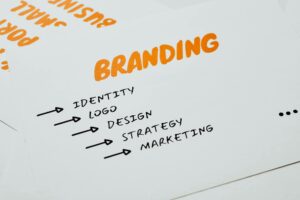
Distribution Network Industry Logo Design Ideas
In the fast-paced world of the distribution network industry, a compelling logo isn’t just an accessory; it’s a necessity. A well-crafted logo can significantly enhance your brand identity and ensure customer recognition. Think about the logos that pop into your mind when you think of reliable logistics companies; they stick because they resonate. In this article, you'll explore various aspects of effective logo design, specifically tailored for the distribution network sector, while equipping yourself with practical insights to create a standout logo.
Key Characteristics of Effective Distribution Network Logos
Creating an impactful logo in the distribution network industry involves understanding its core elements. Here are some defining characteristics that make logos stand out.
Simplicity and Clarity
A straightforward design often works best in communicating your brand’s message. In an industry where clarity and efficiency are key, your logo should reflect these attributes. Aim for clean lines and uncomplicated shapes that are easy to recognize. A simple design functions well across various mediums, whether it’s on a business card, website, or a large billboard.
 Photo by Andrea Piacquadio
Color Psychology in Distribution Logos
The significance of color choices cannot be underestimated. Colors evoke emotions, and when it comes to trust and reliability, blue and green are often the go-to choices. Blue represents trust and professionalism, while green can convey sustainability and growth. Your color palette should resonate with your brand values and the expectations of your audience. Carefully selecting these colors ensures that your logo speaks to your customers on a psychological level.
Functional Design Elements
Incorporating functional design elements can add depth to your logo. For example, incorporating arrows or pathways can symbolize movement and transport, immediately linking your logo to the distribution network. These visual cues help convey the essence of your services, making your branding instantly recognizable.
Ideation Techniques for Logo Creation
Now that you understand the key characteristics, let’s explore practical ideation techniques to brainstorm logos tailored for the distribution network industry.
Understanding Your Brand's Core Values
Before jumping into design, articulate your business's mission and values. What does your company stand for? Is it speed, reliability, or sustainability? Putting this core message into words can help you create a logo that truly represents your business. You want your logo to be a visual representation of these beliefs.
Researching Competitors and Trends
Analyzing your competitors' logos can provide valuable insights. What elements do successful brands use in their logos? What colors and shapes are common? Additionally, keeping up with design trends ensures your logo feels modern and relevant. Check out popular logos in the logistics space and identify what works. This research can serve as a launching pad for your design.
Sketching and Digital Mockups
Once you've gathered your ideas, start sketching! Many designers often overlook the initial sketching process, but it can breathe life into your ideas. Don’t worry about perfection at this stage; focus on getting your concepts on paper. Once you’ve narrowed down your favorites, use digital tools to create mockups which will allow you to visualize how your logo will look in real-world applications.
Inspiration from Successful Distribution Network Logos
Sometimes all you need is a spark of inspiration to ignite your creativity. Here are noteworthy examples from the distribution network industry.
Case Study: Opus9's Logo Design
Opus9 features a minimalist logo that exudes professionalism. The logo uses blue and white to promote reliability and clarity, while the unique font style imparts a modern feel. Its simplicity ensures the logo remains memorable and impactful without being cluttered.
Trends in Logistics Branding
Current trends show that many brands are gravitating towards geometric designs. Clean, geometric shapes give off a sense of structure and order. Many companies are also choosing to forgo traditional designs for something that feels fresh and innovative, focusing on the integration of negative space in logos.
Practical Tips for Designing a Logo
With your insights gathered and inspiration on hand, here are actionable tips to craft an effective logo for the distribution network.
Leveraging the Logo Maker Shop
Need help creating your logo? The Logo Maker Shop can be your best friend. This tool allows you to design your logo in just a few minutes, offering templates that you can customize to fit your brand perfectly. It’s user-friendly and designed for individuals at all skill levels.
Testing and Feedback Loop
Before you finalize your logo, seek feedback from colleagues, friends, or even potential customers. Sometimes, a fresh pair of eyes can identify areas of improvement that you might overlook. Establishing a feedback loop helps ensure that your logo resonates with your intended audience and captures your brand essence accurately.
Conclusion
Creating a logo for the distribution network industry can be both an exciting and rewarding endeavor. By focusing on simplicity, color psychology, and functional design elements, you can craft a logo that communicates your brand’s core values effectively. Utilize the ideation techniques discussed, drawing inspiration from successful logos while embracing modern trends. Don’t forget to leverage resources like the Logo Maker Shop to streamline your design process.
Now it’s time for you to take action! Start brainstorming your logo today, and remember—this is more than just a design; it’s the face of your brand that will carry your identity into the future.

Michael Harper is a Senior Content Strategist at MarketInsider.co, a premier source for insights on digital marketing and business trends. With over 15 years of expertise in content development and strategic communications, Michael is renowned for his ability to craft compelling narratives that resonate with diverse audiences. He holds a Bachelor’s degree in Journalism from New York University and a Master’s degree in Business Administration from Columbia Business School. Outside of work, Michael is passionate about historical literature and enjoys hiking the trails of the Pacific Northwest.