Digital Nomads Summit Event Logo Design Ideas
When it comes to designing a logo for the Digital Nomads Summit Event, it’s essential to create something that resonates with the theme and audience. A logo does more than just look pretty; it serves as a visual anchor for your event's brand, creating a memorable impression within the bustling world of digital nomadism. Your logo should embody the spirit of wanderlust, remote work, and community, encapsulating what the summit stands for.
Understanding the Digital Nomads Summit Event
The Digital Nomads Summit Event is a gathering of like-minded individuals who thrive on flexibility, adventure, and innovation. It aims to unite digital nomads from various backgrounds to share experiences, insights, and strategies that enable this lifestyle.

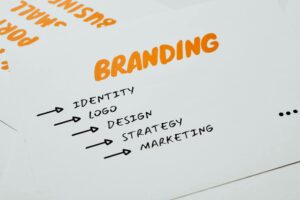
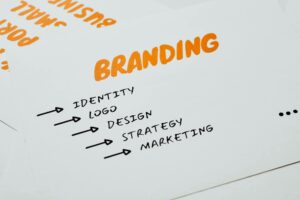
Photo by Canva Studio
Event Goals and Themes
The main goals of the summit revolve around networking, learning, and fostering a community of digital nomads. It aims to inspire attendees by highlighting success stories, innovative practices, and the challenges faced by remote workers and travelers alike. The themes that often emerge include:
- Collaboration: Encouraging partnerships and connections among attendees.
- Learning: Offering workshops and panels to enhance professional skills.
- Inspiration: Sharing transformative stories that motivate participants.
Target Audience Characteristics
The typical attendee at the Digital Nomads Summit is not just a traveler; they are entrepreneurs, freelancers, and professionals who value flexibility and independence. Understanding their demographics and psychographics can significantly influence your logo design.
- Age Range: Generally between 25 to 40 years old.
- Interests: Travel, technology, entrepreneurship, and personal growth.
- Needs: Tools and resources that help facilitate their lifestyle, such as guides on efficient remote work practices.
Key Characteristics of Effective Event Logos
Creating a logo for the Digital Nomads Summit involves certain design principles that resonate with its identity. Here are some key characteristics to consider:
Simplicity and Clarity
A straightforward design ensures your logo is easy to recognize and remember. When attendees see your logo, they should instantly connect it to the summit. Strive for clean lines and uncomplicated imagery. Too much detail can distract from the message you wish to convey.
Relevance to Digital Nomad Lifestyle
Your logo should embody themes of travel, flexibility, and remote work. Incorporate elements like a globe, laptop, or abstract representations of movement to connect with the nomadic lifestyle. The goal is to evoke a sense of adventure and freedom.
Memorable and Unique Design Elements
Distinctive elements set your logo apart from the rest. Think about symbols or typography that are relevant yet rare in the industry. Consider exploring innovative design styles and how they can reflect the unique qualities of the Digital Nomads Summit.
Logo Design Ideation Techniques
Brainstorming your logo concept can be an exciting process. Here are some practical techniques to guide you:
Utilizing Visual Inspiration
Look for visual inspiration in both the travel and tech industries. Check out successful logos from various brands and note what works effectively. Collect a mood board to visualize the colors, fonts, and imagery that resonate with the event's ethos.
Collaborative Brainstorming Sessions
Don’t work in isolation! Engage your team or peers in brainstorming sessions. Diverse perspectives can lead to more creative ideas. Use collaborative platforms to share ideas and gather feedback.
Sketching and Prototyping Ideas
Sketch out your ideas early in the process. Even rough sketches can help you visualize your concepts and refine them. Create multiple prototypes and explore various iterations before finalizing a design.
Current Trends in Logo Design for Events
Staying updated with design trends will elevate your logo to the next level. Here are some trends to consider:
Minimalist Designs
Minimalism is in vogue. A minimalist aesthetic focuses on the essentials, stripping away the unnecessary. This approach helps your logo remain timeless while ensuring it's not overly complex.
Adaptable Logos for Various Platforms
Your logo should be effective whether displayed digitally or physically. Consider how it’ll look on various mediums, such as websites, social media, and print materials. Ensure it retains its impact across all platforms.
Incorporating Color Psychology
Colors evoke emotions related to your event's message. For a summit focused on adventure and community, bright, vibrant colors might work well. Think about how colors like blue (trust) or green (growth) can represent your brand’s values.
Practical Steps to Create Your Event Logo
Ready to bring your logo to life? Here’s how you can do it effectively:
Using Logo Maker Shop for Design
Start by using the Logo Maker Shop to create your event logo. This tool allows you to design your logo in just a few minutes, even if you lack design experience. Choose from a variety of templates that speak to the Digital Nomads Summit’s unique character.
Testing Your Logo With Target Audience
Before moving forward, gather feedback from potential attendees. Share your design concepts and ask for their opinions. This feedback loop can help refine your logo, ensuring it accurately represents your summit and connects with your audience.
Conclusion and Call to Action
Creating a thoughtful logo for the Digital Nomads Summit is no small task, but it’s incredibly rewarding. Your logo acts as the face of your event, so invest the time to make it memorable and relevant. Let your creativity shine and explore the endless possibilities that await.
Are you excited to embark on your logo design journey? Dive in, experiment with different elements, and remember: the perfect logo is just a few clicks away with the help of the Logo Maker Shop. Get started today and watch your event's identity come to life!

Michael Harper is a Senior Content Strategist at MarketInsider.co, a premier source for insights on digital marketing and business trends. With over 15 years of expertise in content development and strategic communications, Michael is renowned for his ability to craft compelling narratives that resonate with diverse audiences. He holds a Bachelor’s degree in Journalism from New York University and a Master’s degree in Business Administration from Columbia Business School. Outside of work, Michael is passionate about historical literature and enjoys hiking the trails of the Pacific Northwest.