Dadaist Style Logo Design Ideas: A Guide to Unique Branding
Dadaist-style logos offer a fresh approach to branding. They're a great way to stand out in a saturated market, captivating attention through their unconventional and thought-provoking designs. This guide explores the unique qualities of Dadaist-style logo design and shows you how to create one that perfectly reflects your brand.
Key Characteristics of Dadaist Style Logos
Dadaist design is all about embracing the absurd and irrational. It rejects traditional aesthetics, often employing unexpected and unconventional imagery. Think shocking juxtapositions, illogical forms, and a deliberate defiance of expectations. This translates to logos that are anything but ordinary. They communicate your brand's identity by challenging the norm, and that's why they're so effective. One of the most powerful elements of Dadaist logos is their ability to capture the unexpected. Look at how these principles are put into practice in logos you see every day.
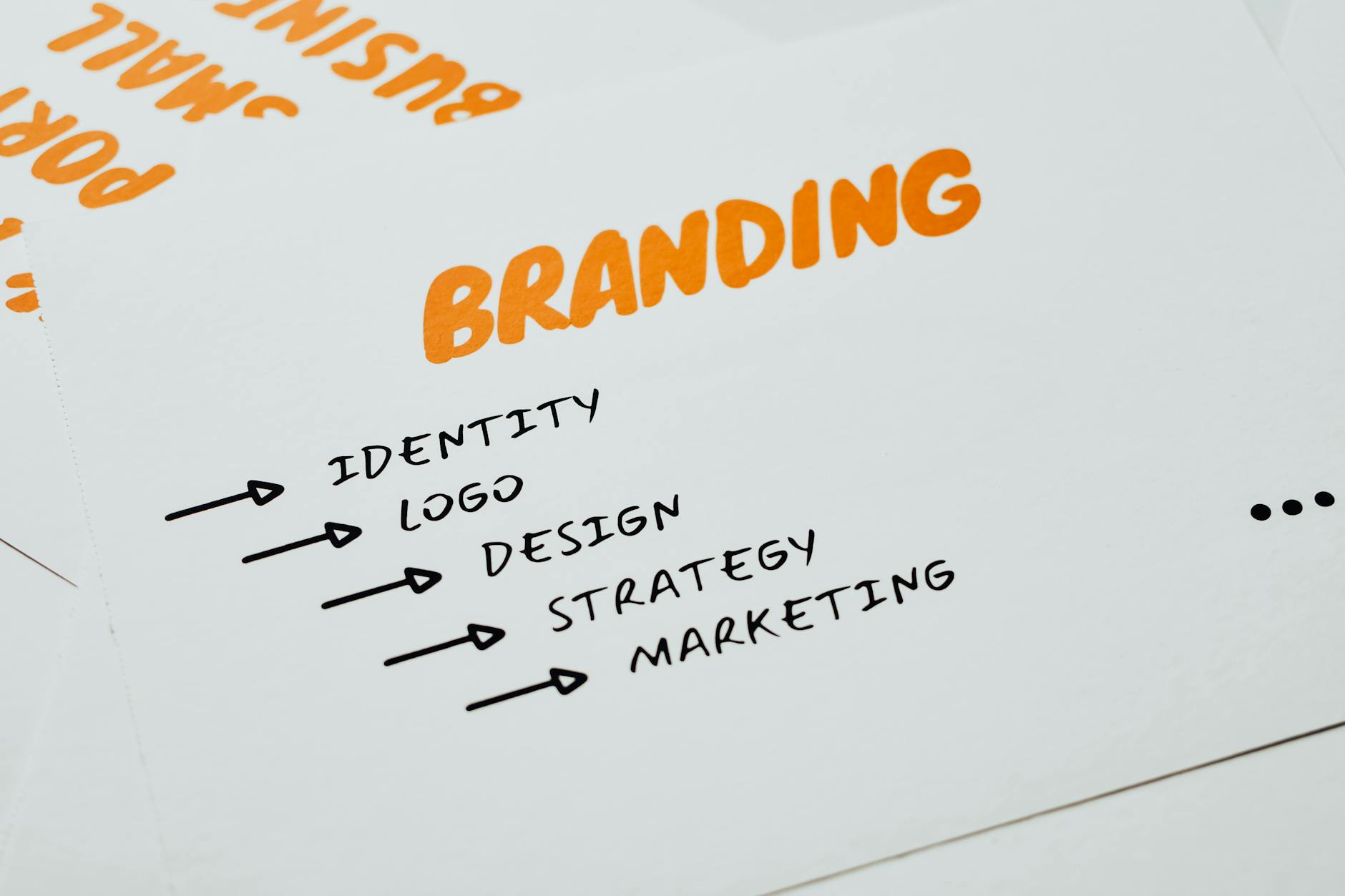 Photo by Eva Bronzini (https://www.pexels.com/@eva-bronzini)
Dadaist Logo Design Inspiration
Drawing inspiration from successful case studies of Dadaist-inspired logos can be invaluable. Examine how these logos effectively communicate a brand's message. These logos don't just represent a brand; they become a part of the brand experience. Consider the juxtaposition of unexpected elements within a design to build a memorable and striking brand presence.
Brainstorming Dadaist Logo Concepts
Developing unique logo concepts requires a bit of creative thinking. Start by challenging conventional logo imagery. What if you used an unlikely combination of forms, or presented a commonplace object in an unusual context? Experiment with different typographies, colors, and compositions to discover what works best for your brand. Consider using negative space and layering to produce powerful, striking designs. Remember, your logo design is an opportunity to surprise.
Utilizing Dadaist Elements in Logo Maker Shop
The Logo Maker Shop provides tools to translate Dadaist design principles into real-world logos. Start with a blank canvas and begin to experiment with different elements in the Logo Maker Shop. Use unique typography and unconventional imagery to challenge expectations. Pay attention to the balance between unconventional design elements and the core identity of your brand.
Combining Dadaist Style with Industry-Specific Concepts
Dadaist principles can be used with any industry. Let's say you're an event planner; how can Dadaist style help you design a logo? Maybe incorporate surprising imagery and unexpected color palettes. A graphic designer could use an unconventional use of negative space. Tailoring these design choices to the specific sector you're in can create a powerful brand presence.
Tips for Creating Effective Dadaist Logos
Don't forget the core elements of effective logo design. A Dadaist logo should be both striking and memorable, making a clear visual statement. Maintain the core visual identity of your brand. It's important to test and refine your design to ensure the balance between the unexpected and recognizable. Balance between unconventional elements and brand identity is crucial. Testing iterations and getting feedback is important.
Conclusion
Dadaist-style logos offer a distinctive approach to branding. By incorporating unconventional design elements, companies can create unique and unforgettable brands. Remember, a successful Dadaist logo effectively blends surprise with clarity, creating a recognizable brand image that stands out from the crowd. By following these principles, you can develop a truly distinctive logo that will make your brand stand out. Get started creating your logo today using the Logo Maker Shop.

Michael Harper is a Senior Content Strategist at MarketInsider.co, a premier source for insights on digital marketing and business trends. With over 15 years of expertise in content development and strategic communications, Michael is renowned for his ability to craft compelling narratives that resonate with diverse audiences. He holds a Bachelor’s degree in Journalism from New York University and a Master’s degree in Business Administration from Columbia Business School. Outside of work, Michael is passionate about historical literature and enjoys hiking the trails of the Pacific Northwest.