Contemporary Rustic Style Logo Design Ideas
The contemporary rustic style mixes modern aesthetics with elements of rustic charm, creating a unique blend that resonates with various brands. Businesses today are increasingly drawn to this design approach, which conveys warmth, authenticity, and a connection to nature. If you’re looking to capture this spirit in your logo design, you’re in the right place!
Key Characteristics of Contemporary Rustic Style Logos
To successfully craft a contemporary rustic logo, you must understand its defining features. Let's explore some of the critical elements that contribute to this style.
Natural Color Palettes
Earthy tones and muted colors form the backbone of a rustic aesthetic. Think soft browns, deep greens, and gentle grays. These colors reflect the natural world, evoking feelings of warmth and reliability. By integrating a natural color palette into your logo, you enable customers to connect emotionally with your brand. It not only enhances visual appeal but also reinforces the core values of authenticity and straightforwardness.
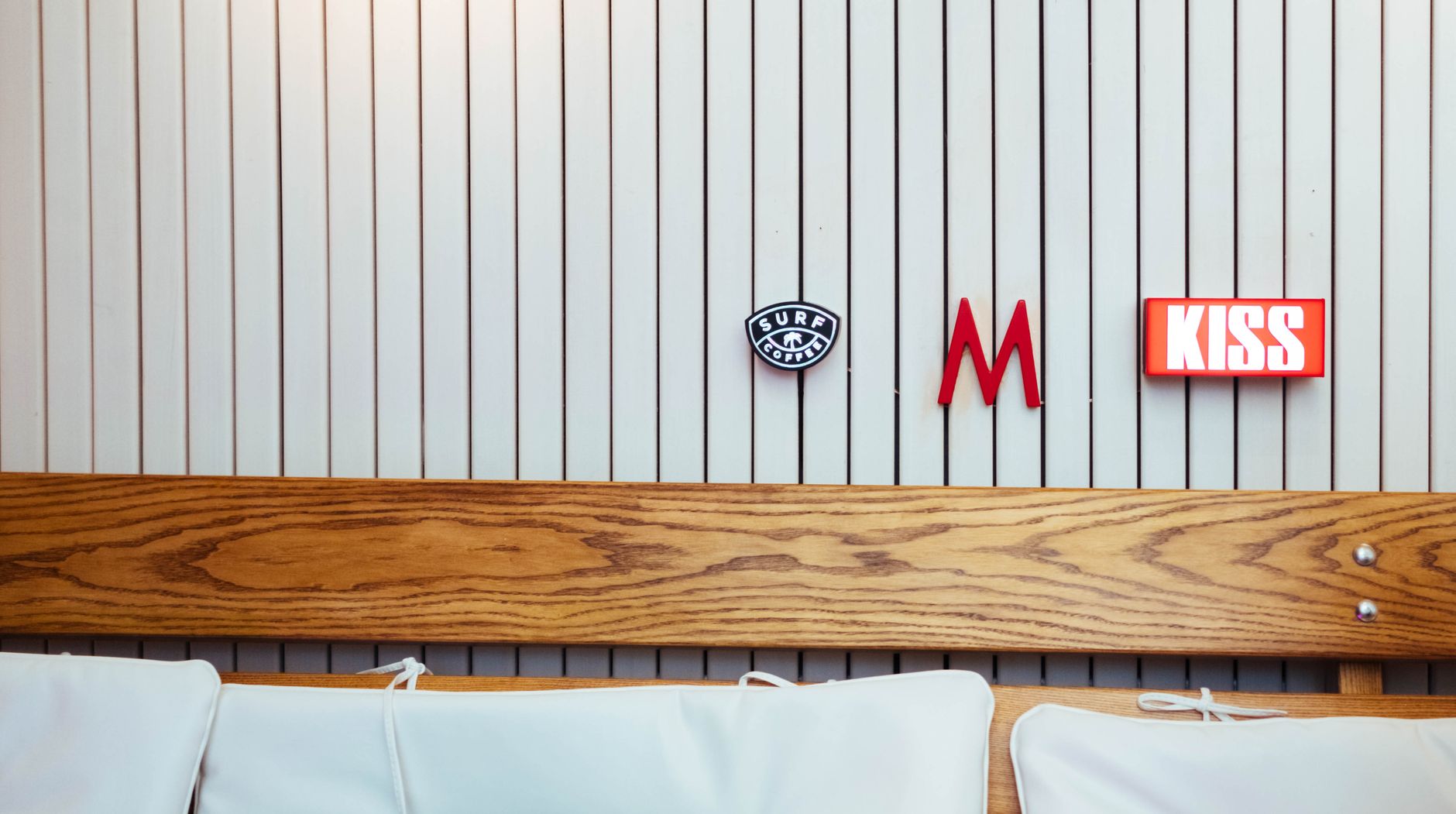
Photo by Igor Starkov
Handwritten and Vintage Typography
Typography plays a crucial role in logo design. For contemporary rustic logos, using handwritten or vintage-inspired fonts can evoke nostalgia and authenticity. Fonts that look hand-drawn or those with a slightly worn texture can add character and charm. This style of typography draws in the audience, making them feel a sense of familiarity and comfort, much like a cozy cabin in the woods.
Organic and Textured Elements
Incorporating organic shapes and textures helps reinforce the rustic feel of your logo. Think about using elements like wood grain, stone textures, or floral motifs. These additions can make your logo look more inviting and tactile, enticing viewers to reach out and connect with your brand. Whether through illustration or background patterns, textures can enhance the overall visual story your logo tells.
Ideation Techniques for Designing Rustic Logos
Now that you know what contemporary rustic styles entail, let’s look at some effective strategies for brainstorming and conceptualizing your logo ideas.
Research and Inspiration
Start by gathering inspiration from various sources. Platforms like Pinterest can be gold mines for design ideas. Search for rustic aesthetics to see what other designers are doing. This approach will help you understand trends and themes that resonate with your target audience. You can also explore design blogs like Logo Maker Shop’s blog for insights that align with rustic styles.
Sketching and Drafting Ideas
Once you've gathered inspiration, it's time to put pencil to paper. Sketching allows you to explore concepts without constraints. Don't hesitate to experiment with different shapes, layouts, and elements. Taking the time to draft multiple ideas will help you find the perfect balance that encapsulates your brand's essence.
Feedback and Iteration
Creating a logo is a journey of refinement. After drafting your initial ideas, share them with peers or potential customers for feedback. Honest opinions can offer invaluable insight into what resonates with your audience. Use this feedback to iterate on your design, creating a logo that truly embodies contemporary rustic style.
Successful Case Studies of Rustic Logos
Seeing real-world applications of contemporary rustic logos can provide inspiration and motivation. Here are a couple of brands utilizing this style effectively.
Brand A: Storytelling Through Design
Brand A successfully uses rustic design elements to narrate their story. Their logo combines earthy colors with organic shapes, reflecting their commitment to sustainability. This design not only captures attention but also reinforces their brand's core values. When your logo tells a story, it builds a deeper connection with your audience.
Brand B: Balancing Modernity with Tradition
On the other hand, Brand B has managed to balance modern design principles with rustic charm. Their use of sleek lines paired with vintage typography creates a dialogue between old and new. This approach appeals to a broader audience, making their brand feel both timeless and contemporary. It is a perfect example of how a contemporary rustic logo can stand out in a crowded market.
Practical Tips for Creating Rustic Style Logos
Crafting your contemporary rustic logo can be a fruitful experience. Here are some practical tips to guide you through the process.
Utilizing Logo Maker Shop Tools
One of the best ways to create your logo is by using the Logo Maker Shop. This platform offers user-friendly features that simplify the design process. With a range of templates and customizable elements, you can easily incorporate rustic elements into your logo.
Experimenting with Design Elements
Don’t hesitate to play with different textures, colors, and fonts available in the logo maker. Try various combinations until you find the perfect harmony that reflects your brand identity. Remember, experimenting is a vital part of the design process.
Conclusion
Contemporary rustic style logos combine modern aesthetics with elements of tradition, creating a unique brand identity. By understanding the key characteristics, employing ideation techniques, and studying successful examples, you can design a logo that resonates with your audience. Don't be afraid to explore your creativity and make use of tools like the Logo Maker Shop to bring your vision to life.
Next Steps for Your Logo Design Journey
Now that you have a solid understanding of contemporary rustic style logo design ideas, it's time to take action. Gather your ideas, start sketching, and use the Logo Maker Shop to refine your concepts. Your unique rustic logo is just a few thoughtful steps away!

Michael Harper is a Senior Content Strategist at MarketInsider.co, a premier source for insights on digital marketing and business trends. With over 15 years of expertise in content development and strategic communications, Michael is renowned for his ability to craft compelling narratives that resonate with diverse audiences. He holds a Bachelor’s degree in Journalism from New York University and a Master’s degree in Business Administration from Columbia Business School. Outside of work, Michael is passionate about historical literature and enjoys hiking the trails of the Pacific Northwest.