Clear Design Style Logo Design Ideas
In today's fast-paced market, a logo is often the first impression consumers have of a brand. This makes it essential to craft a logo that is not only eye-catching but also clear and concise. Clear Design Style logos excel in this regard, representing your brand with clarity, simplicity, and relevance. This concept is especially crucial if you want to create a lasting impression.
Understanding Clear Design Style
Clear Design Style, in the context of logo design, refers to the use of uncomplicated visuals that communicate your brand’s message effectively. These logos typically strip away unnecessary elements, focusing instead on what really matters: your brand identity. The essence of clear design lies in its ability to resonate with audiences immediately.
Key Characteristics of Clear Design Style
Simplicity: A simple design uses minimal elements to convey the message. Think of logos like Apple's, which manages to represent innovation with just an apple silhouette.
Clarity: Clarity means that anyone looking at your logo should be able to understand what your brand stands for at a glance.
Relevance: A relevant logo reflects the essence of your business and its values. For example, a café might incorporate a coffee cup into its logo to instantly convey its service.
These characteristics not only enhance aesthetics but are also significant for effective brand communication.
The Importance of Clarity in Logo Design
When you prioritize clarity in your logo, you're investing in brand recognition and recall. Research shows that consumers are far more likely to remember a straightforward logo than one that features complex designs. A clear logo doesn’t just look good; it functions as a powerful branding tool that leaves a lasting impression.
Logo Creation Process with Logo Maker Shop
Creating a logo that embodies the Clear Design Style becomes effortless with the Logo Maker Shop. This platform equips you with the right tools to bring your vision to life.
Step-by-Step Guide to Designing Your Logo
- Sign Up: Start by registering on the Logo Maker Shop platform.
- Select Your Industry: Choose the category that relates to your business. This helps in getting templates tailored to your sector.
- Pick a Template: Explore thousands of logo designs and choose a template that resonates with your brand’s identity.
- Customize: Modify colors, fonts, and imagery to create a logo that feels uniquely yours.
- Preview and Download: Once you’re satisfied, preview your design and download it in various formats.
Tips for Effective Logo Design
- Choose Colors Wisely: Colors evoke emotions. For example, blue can convey trust, while red can symbolize excitement.
- Font Matters: Select fonts that are easy to read and align with your brand persona.
- Use Relevant Imagery: Incorporate visuals that reflect your brand's mission and values without making the logo cluttered.
Drawing Inspiration from Successful Logos
Sometimes, the best way to ignite your creativity is to look at what others have accomplished. Some brands have successfully embraced the Clear Design Style and can serve as inspiration.
Analyzing Examples of Clear Design Style Logos
Consider the logo for Nike. Its simplicity — just the swoosh — communicates movement and speed effortlessly. Other great examples include:
- Starbucks: The siren image captures their heritage while remaining recognizable.
- FedEx: The hidden arrow in their logo symbolizes speed and precision.
These brands exemplify how simple, clear design can lead to powerful brand recognition.
Trending Design Techniques
Minimalism continues to dominate logo design trends. Techniques such as negative space, flat design, and geometric forms all focus on clarity and simplicity. Using these techniques can help your logo stand out while remaining memorable.
Creative Ideation Techniques
Generating ideas for your logo doesn’t have to be daunting. Utilizing creative methodologies can streamline the brainstorming process.
Mind Mapping for Logo Ideas
Start with a central idea — your brand’s core message — and branch out to related words, visuals, and feelings. This technique encourages free-flowing thoughts that can lead to innovative design concepts.
Sketching and Prototyping Methods
Take time to sketch your ideas. This tactile approach helps clarify your thoughts and translates your vision onto paper. Prototype different versions of your logo until you find the one that perfectly encapsulates your brand.
Practical Tips for Logo Development
The journey doesn’t end with sketching. Refine your logo until it captures your essence perfectly.
Seeking Feedback and Iteration
Don’t hesitate to ask for opinions from peers or potential customers. Honest feedback can help you pinpoint areas for improvement. Remember, iterations are crucial in the design process.
Finalizing Your Logo Design
Once you've nailed down your design, ensure it looks good across various applications, from business cards to social media profiles. Adjustments may be necessary to ensure versatility without sacrificing clarity.
Conclusion and Call to Action
In this digital landscape, logos play a crucial role in shaping brand perception. By embracing a Clear Design Style, you can create a logo that is not only visually appealing but also communicates your brand's values effectively. With the help of the Logo Maker Shop, creating your logo has never been easier. Start designing today and watch how a clear, captivating logo can elevate your brand!
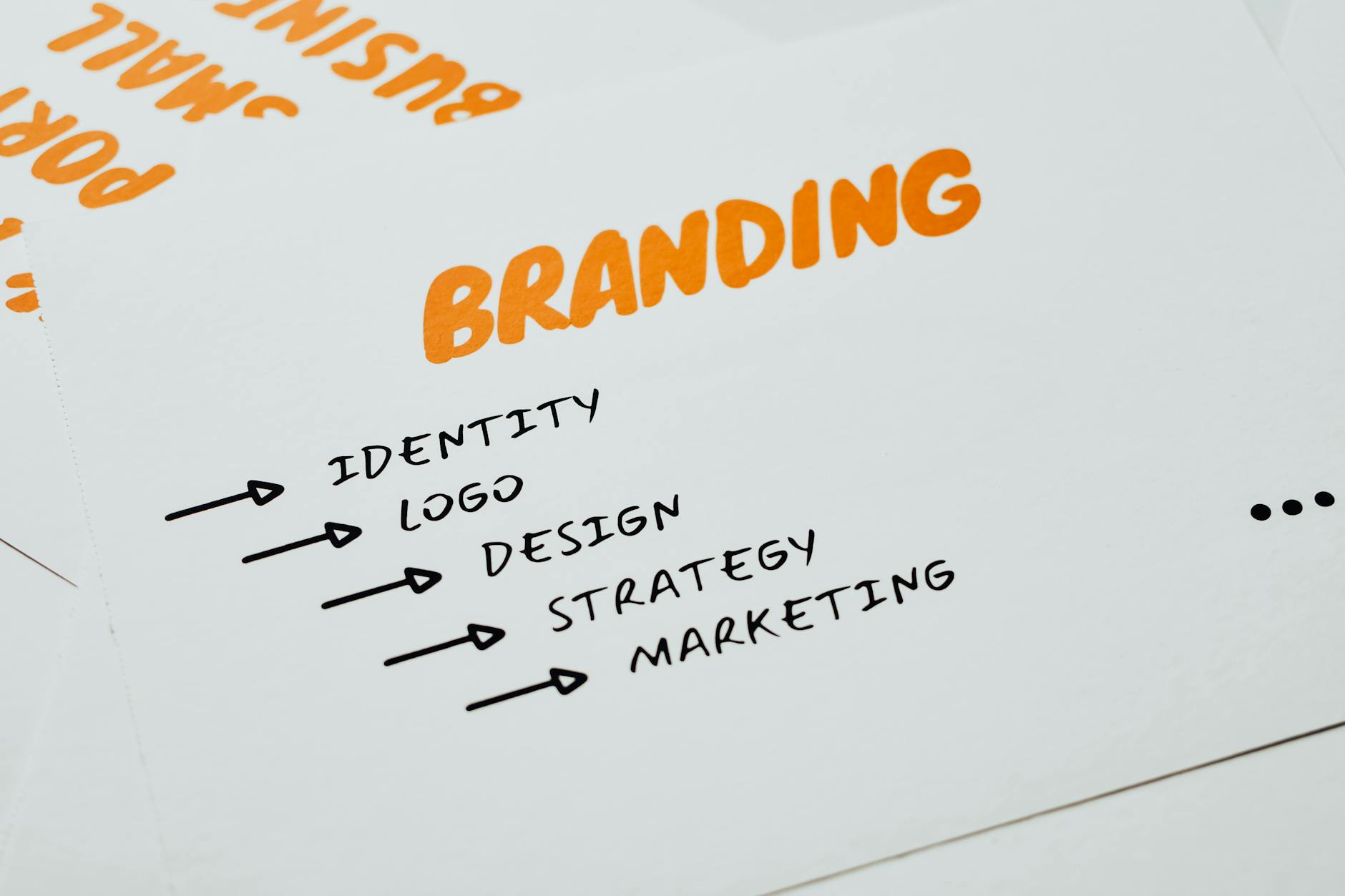 Photo by Eva Bronzini

Michael Harper is a Senior Content Strategist at MarketInsider.co, a premier source for insights on digital marketing and business trends. With over 15 years of expertise in content development and strategic communications, Michael is renowned for his ability to craft compelling narratives that resonate with diverse audiences. He holds a Bachelor’s degree in Journalism from New York University and a Master’s degree in Business Administration from Columbia Business School. Outside of work, Michael is passionate about historical literature and enjoys hiking the trails of the Pacific Northwest.