Children's Fashion Industry Logo Design Ideas
In the vibrant world of children’s fashion, a logo does much more than just brand identification; it communicates creativity, imagination, and uniqueness. As the first impression a brand makes, an effective logo can capture attention and spark interest among both children and their parents. So, let’s explore some imaginative logo design ideas tailor-made for the children's fashion industry.
Key Characteristics of Effective Children's Fashion Logos
To stand out in the competitive children's fashion market, logos must possess distinct characteristics that resonate with their target audience. Here are some key features to consider:
Color Choices and Their Impact
Color plays a pivotal role in logo design, especially in children's fashion. Bright, playful colors such as vibrant reds, sunny yellows, and calming blues often appeal to kids and parents alike. For instance, colors like pink or pastel shades can evoke softness and playfulness, while bold colors can express energy and excitement.
Think of the emotions that colors can convey. A well-chosen palette can enhance brand recognition, making it easier for consumers to remember your brand. So, don't shy away from experimenting with various color combinations that reflect the essence of your fashion line!
Fonts and Typography Trends
The typography of your logo is just as significant as its color scheme. Consider using rounded, fun fonts that resonate with children—think of styles that can differentiate your brand. For instance, a playful bubble font might spark joy in little ones, while elegant script fonts appeal to parents looking for sophisticated options.
Trends in typography for the children's fashion sector often lean towards whimsical or hand-drawn styles. This adds an element of personality that can help connect emotionally with your audience.
Imagery and Icons that Capture Attention
Incorporating imagery or icons in your logo can create a memorable impression. Common themes include playful animals, toys, or even abstract shapes that mimic childlike curiosity.
Using cute mascots or character illustrations can create a strong visual representation of your brand. For example, a playful teddy bear or a colorful balloon can evoke feelings of joy and playfulness, making the logo instantly relatable for children.
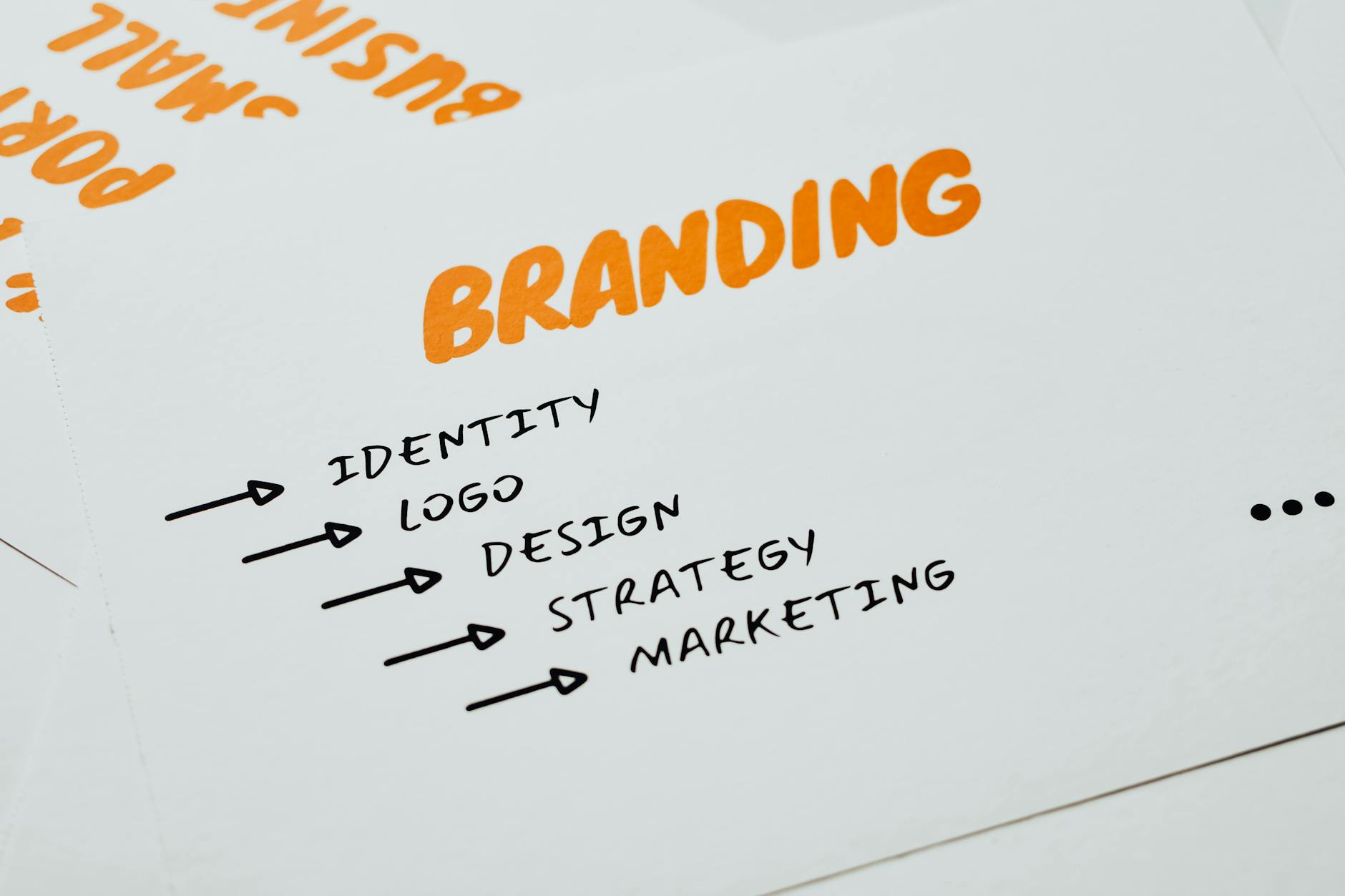
Photo by Eva Bronzini
Practical Insights for Logo Ideation
Generating unique logo concepts might seem daunting, but you can simplify the process with the following actionable tips.
Understanding Your Target Audience
Before diving into design, take the time to understand who your audience is. What do children find appealing? What resonates with parents? Getting familiar with the preferences of both groups can guide your design choices effectively.
Consider conducting informal surveys or focus groups with parents and children. This insight can be invaluable in shaping a logo that meets their expectations.
Brainstorming Techniques
Here are several brainstorming methods to tap into your creative potential:
- Mind Mapping: Start with a central idea (like "children's clothing") and branch out with related concepts and images.
- Sketching: Often, the act of drawing can trigger ideas. Don’t worry about perfection—focus on getting concepts on paper.
- Mood Boards: Collect images, colors, and fonts that inspire you. A mood board visually outlines your design ethos.
Current Trends in Children's Fashion Logos
The landscape of children's fashion is continually evolving. Staying informed about current trends can help you design logos that resonate with the market.
Case Studies of Successful Brands
Look at successful children's fashion brands and analyze their logos. For example, brands like "Mini Rodini" utilize playful animal illustrations and bright colors to attract attention. Their logos tell a story and align well with the values of sustainability, making them relatable to parents.
By dissecting these examples, you can gain insights into how effective logos balance creativity with clarity.
Innovative Techniques Used in Logo Design
In today’s digital age, logos can be more than just static images. Consider how motion graphics or interactive elements might enhance your logo. For instance, think of how a logo could animate slightly when hovered over online, creating a fun experience for children and parents alike.
Technology also provides tools such as the Logo Maker Shop, where you can design your logo in just minutes. Visit Logo Maker Shop for more information on design options.
Inspiration for Your Logo Design Journey
The creative process should be an exciting adventure! Explore diverse styles and ideas to help craft a memorable logo.
Utilizing Resources for Logo Creation
Don’t forget to leverage platforms like the Logo Maker Shop. They offer various features to assist in creating a striking logo effortlessly. Tools provided here simplify the design process, making it accessible even for those without graphic design experience. Need more guidance? Check their blog here for excellent tips on logo creation.
Staying Fresh with Design Inspiration
Continuous inspiration is key! Dive into design sites, social media platforms, and even nature for new ideas. Popular websites like Pinterest and Behance allow you to follow current trends and see what others are creating in the children’s fashion space.
Make exploring your sources a part of your routine to maintain a fresh perspective and innovative approach. Remember, creativity flourishes when you step outside your comfort zone!
Conclusion
Creating a unique and engaging logo in the children’s fashion industry is crucial for brand success. It encapsulates your brand’s creativity, spirit, and appeal to both children and parents alike. As you embark on your design journey, remember to embrace new ideas, tap into your resources, and, most importantly, have fun with the process. The perfect logo is waiting to represent your imaginative designs—so start exploring today!

Michael Harper is a Senior Content Strategist at MarketInsider.co, a premier source for insights on digital marketing and business trends. With over 15 years of expertise in content development and strategic communications, Michael is renowned for his ability to craft compelling narratives that resonate with diverse audiences. He holds a Bachelor’s degree in Journalism from New York University and a Master’s degree in Business Administration from Columbia Business School. Outside of work, Michael is passionate about historical literature and enjoys hiking the trails of the Pacific Northwest.