Cherry Blossom Viewing Event Logo Design Ideas
Cherry blossom viewing events are more than just beautiful sights; they are cultural celebrations that embody renewal, beauty, and community spirit. Whether you're planning a local festival or a significant regional celebration, the logo you design serves as a key visual element that encapsulates the essence of the event. A well-crafted logo not only attracts participants but also honors the tradition and significance of cherry blossoms. Let’s explore some effective strategies and insights for creating a logo that resonates.
Key Characteristics of Cherry Blossom Viewing Event Logos
Designing a logo for a cherry blossom viewing event requires careful consideration of several key characteristics to ensure it effectively captures the theme.
Color Palette Selection
One of the most compelling aspects of cherry blossoms is their color. Soft pinks, whites, and hints of green embody the delicate nature of the blossoms. Incorporating these colors into your logo can evoke feelings of tranquility and beauty.
Consider using:
- Pink: Symbolizes happiness and sweetness, echoing the blossoms.
- White: Represents purity and innocence, providing a calming contrast.
- Green: Adds a touch of freshness and nature, grounding the design.
A harmonious blend of these hues will create an inviting and picturesque aesthetic that reflects the season.
Symbolism and Imagery
Cherry blossoms themselves are rich in symbolism — they represent the fleeting nature of life, beauty, and renewal. Integrating cherry blossom motifs or stylized imagery into the logo design can enhance its meaning. Options include:
- Petals drifting through the air
- Branches laden with blossoms
- Abstract representations that suggest movement or growth
Using these elements not only captures the physical beauty of cherry blossoms but also frames the narrative of your event.
Typography Choices
Just as colors set the mood, typography influences how your message is perceived. For cherry blossom viewing events, choose elegant and flowing fonts that evoke a sense of grace.
- Serif Fonts: These can give an elegant and timeless feel.
- Script Fonts: A beautifully designed script can reflect the artistic nature of the event.
Make sure the font is legible, especially when scaled down, to maintain clarity in all advertising mediums.
Ideation Techniques for Logo Development
Creating a compelling logo begins with brainstorming and ideation. Here are some practical strategies to help you through the process.
Researching Existing Logos
Look into logos from other cherry blossom festivals and similar cultural events. Analyze what works well and what doesn’t. This research can inspire your design choices and help you identify effective color schemes, shapes, and typography.
Sketching and Conceptualizing
Put pencil to paper! Start sketching your ideas, no matter how rough. This practice allows you to visualize concepts that might seem elusive when solely thought about in your head. Experiment with different arrangements of elements, colors, and fonts until a few strong contenders emerge.
Gathering Feedback
Don’t hesitate to seek opinions from peers or members of your target audience. Feedback is invaluable in refining your design. Create a few mockups to share and get constructive criticism. You may discover insights that strengthen your logo further.
Case Studies: Successful Cherry Blossom Event Logos
Examining successful logos can provide further inspiration and understanding of what works well.
Cherry Blossom Festival in Washington D.C.
The logo for the Washington D.C. Cherry Blossom Festival features a simple yet effective design. Soft pink petals arch elegantly, drawing the eye and reflecting the event's beauty. The font chosen pairs well with the imagery and enhances the logo's overall impact without overwhelming it.
Tokyo Cherry Blossom Festival
In Japan, the Tokyo Cherry Blossom Festival logo artfully integrates traditional elements with modern design. Its flowing text and delicate cherry blossom graphics illuminate the cultural richness of the event. This logo exemplifies the importance of blending historical context with contemporary design aesthetics.
Practical Tips for Creating Your Logo
Crafting a memorable logo involves more than just artistic skill. Keep these tips in mind to enhance your design process.
Using Logo Maker Shop Tools
For a streamlined design experience, consider using the Logo Maker Shop. This platform provides intuitive tools to design your logo in just a matter of minutes. With access to templates and design elements, you can easily bring your vision to life.
Testing Versatility and Scalability
Once you've developed your logo, it's crucial to test its versatility. Ensure it looks just as striking on a large banner as it does on a small flyer. Scale your design across formats to confirm its clarity and impact remain intact.
Incorporating User Feedback
User input plays a significant role in logo creation. Integrate feedback throughout the design process. Your audience knows what they find appealing — their insights can guide enhancements that resonate on a deeper level.
Conclusion
In conclusion, developing a logo for a cherry blossom viewing event is an exciting journey that marries creativity with cultural significance. By focusing on key elements like color, symbolism, and typography, and using practical ideation techniques, you can create a logo that beautifully represents the essence of your celebration. So, begin your logo design journey today and embrace the spirit of cherry blossoms! With tools like the Logo Maker Shop, you have all you need to make your vision a reality.
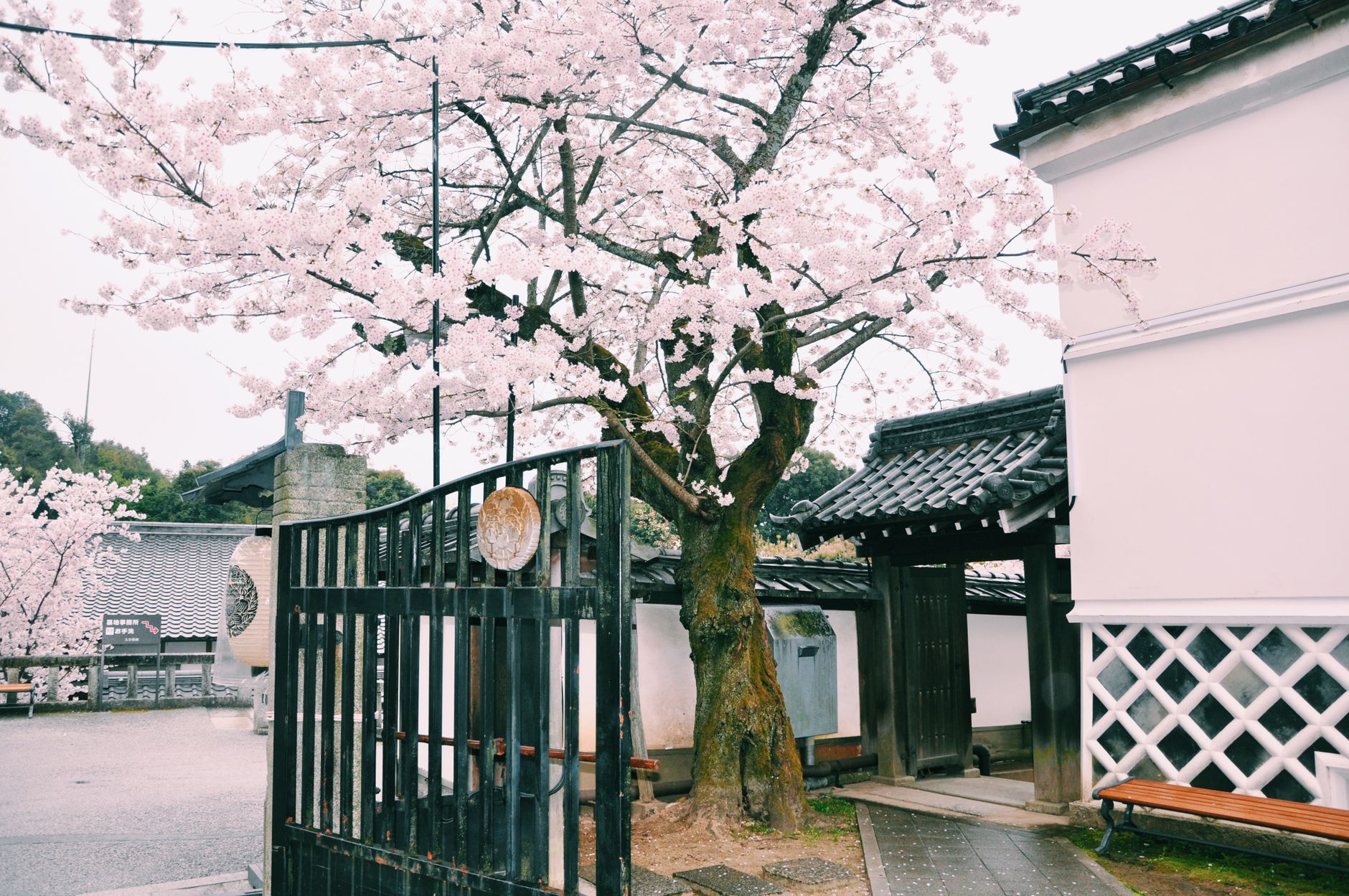
Photo by Marianne Tang

Michael Harper is a Senior Content Strategist at MarketInsider.co, a premier source for insights on digital marketing and business trends. With over 15 years of expertise in content development and strategic communications, Michael is renowned for his ability to craft compelling narratives that resonate with diverse audiences. He holds a Bachelor’s degree in Journalism from New York University and a Master’s degree in Business Administration from Columbia Business School. Outside of work, Michael is passionate about historical literature and enjoys hiking the trails of the Pacific Northwest.