Chemical Pulp Industry Logo Design Ideas
Creating a strong logo is vital for any industry, and the chemical pulp sector is no exception. Your logo serves as the visual cornerstone of your brand, encapsulating your identity and values in a single image. A well-crafted logo can effectively showcase your company’s commitment to sustainability, technology, and innovation—qualities crucial in the chemical pulp industry. Let’s explore some meaningful ideas and techniques for designing a logo that resonates.
Understanding the Chemical Pulp Industry
To design an effective logo for the chemical pulp industry, it’s essential to understand the landscape you’re operating within. This industry focuses primarily on converting wood into wood pulp, which is then used to create various products, including paper and other cellulose-based materials.
The chemical pulp process involves breaking down the wood’s fibrous structure and has numerous environmental implications. This makes sustainability a critical aspect of the industry. In your logo design, consider how the logo can communicate not just the essence of your business but also align with eco-friendly practices.
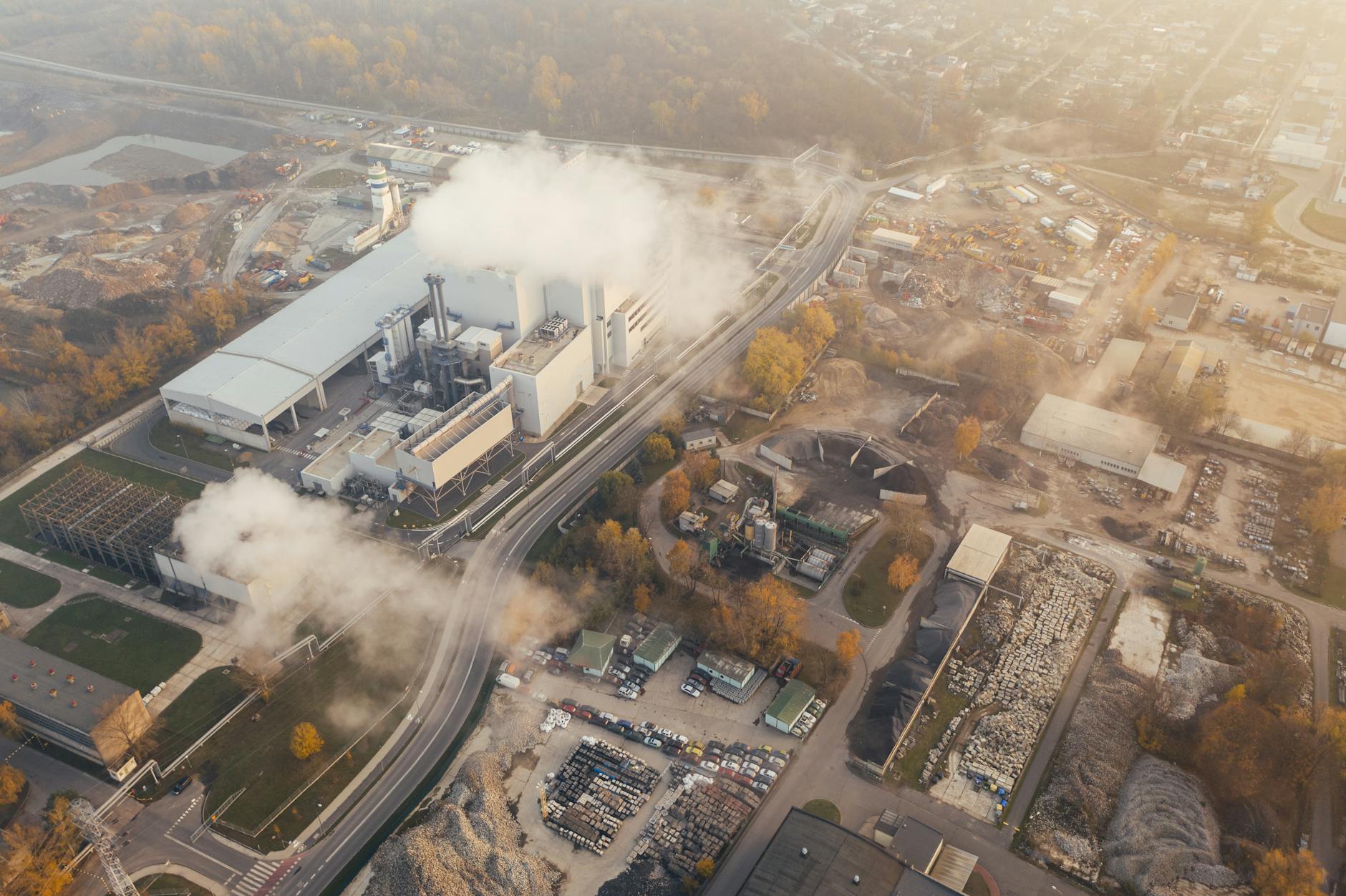
Photo by Marcin Jozwiak
Key Characteristics of Chemical Pulp Industry Logos
Core Attributes
When you think about logos in the chemical pulp industry, a few key characteristics should stand out:
- Sustainability: Use natural elements to portray environmental consciousness.
- Technological Edge: Incorporate design elements that suggest innovation and processing efficiency.
- Reliability: Reflect quality and trustworthiness through your design.
A logo that captures these qualities will resonate well with your audience and communicate your business values effectively.
Logo Design Principles for the Chemical Pulp Industry
Simplicity and Versatility
Think back to logos you’ve come across. Which ones can you remember? Simple logos are often the most memorable. Keep your design straightforward yet versatile. This means your logo should look good on a business card, a billboard, and even on digital platforms.
Color Psychology in Logo Design
Colors play a significant role in branding. For the chemical pulp industry, consider using colors that represent nature, such as green for sustainability and blue for innovation. Incorporating earthy tones can evoke feelings of trust and stability.
Font Selection and Typography
The typography you choose should align with your brand's message. Serif fonts often convey tradition and reliability, while sans-serif fonts can represent modernity and efficiency. Choose a font that speaks to your brand’s voice while ensuring it’s legible across multiple platforms.
Ideation Techniques for Logo Creation
Research and Inspiration Gathering
Before putting pen to paper, analyze what others in your sector are doing. Look at competitors and note what works and what doesn't. Consider using resources from the Logo Maker Shop to gather ideas that resonate with your target market.
Sketching and Concept Development
Don’t shy away from sketching initial ideas. These rough drafts can help flesh out concepts that resonate emotionally. Get feedback on these sketches and refine your designs. The iterative process can lead to unexpected and innovative results.
Trends and Innovations in Logo Design
Sustainable Design Practices
Opt for eco-friendly design choices. This ties directly back to the core values of your industry and resonates with increasingly eco-conscious consumers. Minimalism can enhance both sustainability and strong visual impact, aiding in brand recognition.
Typography Trends
Emerging typographical trends often lean towards bold and condensed fonts that command attention. Experimenting with weight and style can add a dynamic aspect to your logo, setting it apart in a crowded market.
Successful Case Studies
Case Study: Example Company 1
Consider Company A: their logo integrates wood fiber textures with earthy colors, effectively conveying their commitment to eco-friendliness while maintaining a sleek, modern feel. This choice not only resonates with their audience but also reflects their core mission of sustainability.
Case Study: Example Company 2
Looking at Company B, their geometric font paired with a leaf motif creates a clear visual link to nature. This informed approach helps convey reliability and innovation, appealing to both traditional and modern sectors of the industry.
Conclusion and Call to Action
Your logo is more than just a design; it’s a powerful representation of your brand in the chemical pulp industry. A thoughtful logo distinguishes you in a competitive market, communicates your values, and connects with your audience.
Ready to create a logo that reflects your brand identity? Utilize the Logo Maker Shop today to craft a logo that tells your story effectively. For step-by-step guidance, check out this blog post on creating logos.
Craft an engaging and meaningful logo that resonates with the core of your business!

Michael Harper is a Senior Content Strategist at MarketInsider.co, a premier source for insights on digital marketing and business trends. With over 15 years of expertise in content development and strategic communications, Michael is renowned for his ability to craft compelling narratives that resonate with diverse audiences. He holds a Bachelor’s degree in Journalism from New York University and a Master’s degree in Business Administration from Columbia Business School. Outside of work, Michael is passionate about historical literature and enjoys hiking the trails of the Pacific Northwest.